The 5-Substitute Dynamic: 60th-Minute Changes for 3 Points
National team managers strategically deploy the 5-substitute dynamic, often around the 60th minute, to introduce fresh legs, alter formations, or inject specific skills, aiming to seize control and secure vital three points in competitive international soccer matches.
In the high-stakes world of international soccer, every decision a national team manager makes can swing the pendulum of victory. One of the most impactful, yet often understated, aspects of modern football is the 5-substitute dynamic, particularly how these changes are deployed around the 60th minute to secure crucial three points. This strategic shift has reshaped game management, offering new avenues for tactical brilliance and late-game heroics.
The Evolution of Substitution Rules in International Soccer
The landscape of soccer tactics has been profoundly altered by the increased number of substitutions allowed. What began as a temporary measure during the pandemic has become a permanent fixture, granting managers unprecedented flexibility. This evolution has not merely added more bodies to the bench; it has fundamentally reshaped how games are approached from the first whistle to the last.
Historically, substitutions were a rarity, often reserved for injuries. Over time, the allowance increased from one to three, then eventually to five in many competitions. This gradual expansion reflects a growing understanding of player welfare, the physical demands of modern football, and the tactical depth it can introduce. The shift to five substitutes, especially across international tournaments, has elevated the importance of squad depth and in-game adjustments.
From Three to Five: A Game Changer
The move from three to five substitutes in international matches was initially met with mixed reactions. Some argued it favored bigger nations with deeper squads, potentially widening the gap between top-tier and developing teams. However, proponents highlighted the benefits for player health, allowing for greater rotation and reducing fatigue, especially in grueling tournament schedules.
- Increased Tactical Flexibility: Managers can now make multiple changes to respond to opponent tactics or rejuvenate tired positions.
- Player Welfare: More substitutions help manage player loads, preventing injuries and burnout, crucial for national teams with limited preparation time.
- Impact on Game Flow: The ability to introduce five fresh players can dramatically alter the pace and intensity of a match.
Ultimately, the consensus has largely swung towards embracing the five-substitute rule. It has added a new layer of complexity and excitement, turning the bench into a tactical goldmine rather than just an emergency reserve. This change requires managers to think several steps ahead, considering not just the starting eleven, but also the potential impact of their entire 23-man squad.
Strategic Timing: Why the 60th Minute Matters
While five substitutions are available, their timing is paramount. The 60th minute has emerged as a particularly critical juncture for national team managers to unleash their tactical changes. This specific timeframe is not arbitrary; it's a calculated window that maximizes the impact of fresh legs and new strategies.
By the hour mark, the initial game plan has usually unfolded. Teams have settled into their rhythms, and the physical toll of the match begins to show. Players are often starting to tire, leading to lapses in concentration, slower reactions, and decreased intensity. This is precisely when a fresh injection of talent can be most disruptive to the opponent and most beneficial to the team making the changes.

Physical and Mental Fatigue
The modern game demands relentless pressing and high-intensity sprints. After 60 minutes, even the fittest athletes begin to feel the strain. A midfielder who has covered miles, a winger who has made countless runs, or a defender battling a tricky striker will inevitably see their performance dip. This fatigue is both physical and mental, impacting decision-making and execution.
- Reduced Stamina: Players' aerobic capacity diminishes, affecting their ability to maintain high work rates.
- Concentration Lapses: Tiredness can lead to errors in judgment, misplaced passes, or missed defensive assignments.
- Loss of Intensity: The overall tempo of the game can drop, creating an opportunity for a fresh player to inject dynamism.
Introducing a dynamic winger, a powerful striker, or a composed midfielder at this stage can instantly shift the momentum. The fresh players bring renewed energy, sharper focus, and often a different set of skills that the opposition, already fatigued, struggles to adapt to. This strategic timing transforms substitutions from reactive measures into proactive game-winning maneuvers.
Tactical Adjustments and Formation Shifts
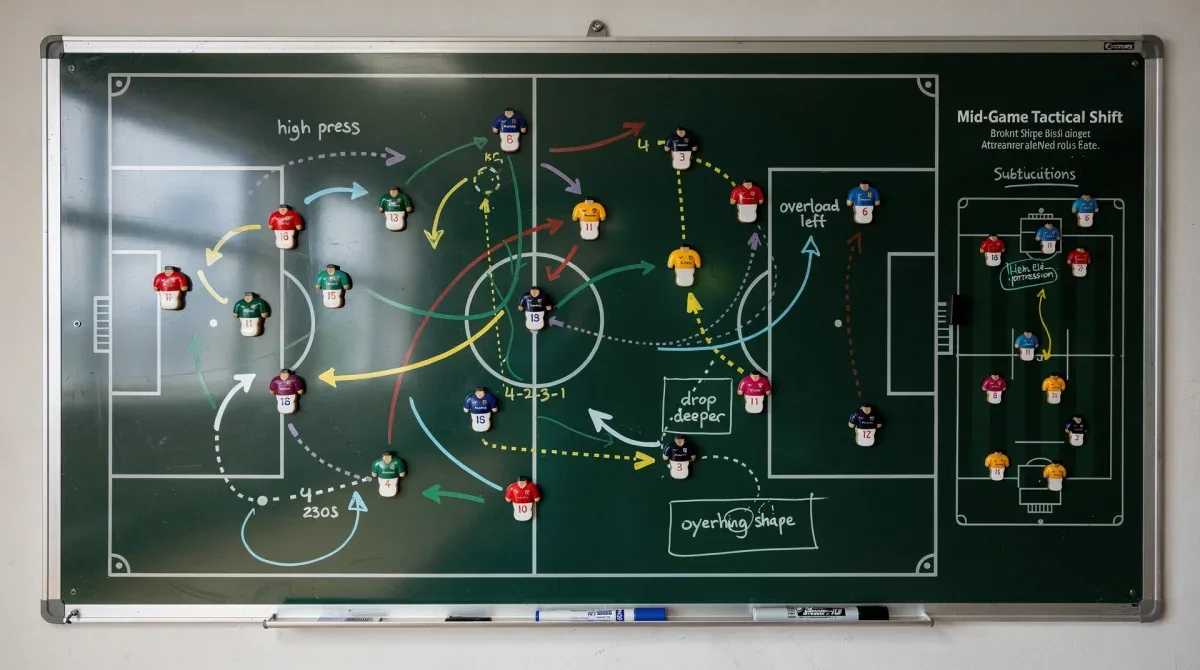
The 5-substitute dynamic at the 60th minute isn't just about swapping like-for-like players; it's a canvas for profound tactical adjustments. Managers can completely overhaul their formation, switch systems, or target specific weaknesses in the opposition. This flexibility allows for an adaptive approach that can dismantle even the most resilient defenses or shore up a vulnerable backline.
Consider a scenario where a team is struggling to break down a compact defense. A manager might bring on an extra attacking midfielder or a second striker, shifting from a 4-3-3 to a 4-4-2 or a 3-5-2. This change in shape, combined with the fresh energy, can create new passing lanes, occupy different defensive zones, and overload the opponent in key areas. Conversely, if a team is protecting a lead, defensive-minded players can be introduced to fortify the midfield or defense, sacrificing offensive prowess for stability.
Exploiting Opponent Weaknesses
A shrewd manager will have identified potential weaknesses in the opposition during the first hour of play. Perhaps a full-back is struggling with pace, or a central midfielder is being overrun. The 60th-minute substitutions offer the perfect opportunity to exploit these emerging vulnerabilities.
- Pace Against Tired Defenders: Introducing a fast winger can terrorize an exhausted full-back, creating crossing opportunities or drawing fouls.
- Midfield Overload: Bringing on an extra midfielder can help regain control of the central park, disrupting the opponent's build-up play.
- Targeting Set Pieces: A tall defender or striker can be brought on specifically for their aerial ability, enhancing attacking or defensive set-piece prowess.
These tactical tweaks are often the difference between a draw and a win. They reflect a manager's ability to read the game, anticipate changes, and have a diverse array of players ready to execute different roles. The 60th-minute provides a sweet spot for these adjustments, giving the new players enough time to influence the game without leaving the original starting XI too exposed for too long.
The Psychology of Substitutions: Momentum and Morale
Beyond the physical and tactical aspects, substitutions carry a significant psychological weight. A well-timed change can galvanize a team, boost morale, and send a clear message to both players and opponents. It can signal a manager's belief in their squad's depth and their determination to chase a result.
When a manager brings on a key player, especially one known for their attacking flair or defensive solidity, it can inject a sense of renewed hope and urgency into the team. The players on the field see a fresh face, a new energy, and understand that the manager is actively trying to change the game. This can lead to an immediate uplift in performance, with players finding an extra gear they didn't know they had.
Impact on Opponent's Morale
The psychological impact extends to the opposition as well. Seeing a fresh, dangerous player come on when your own team is tiring can be demoralizing. It forces them to reconsider their defensive assignments, introduces new threats, and can lead to a shift in their tactical approach, often causing them to drop deeper or become more cautious. This mental pressure can lead to mistakes and open up opportunities.
- Boost for Attacking Teams: Introducing an offensive player signals intent to score, putting pressure on the opponent.
- Defensive Reinforcement: Bringing on a defender or defensive midfielder can solidify a lead, sending a message of resilience.
- Disruption of Rhythm: The stoppage in play for substitutions can break the opponent's flow, especially if they are in a period of dominance.
The psychological game is as crucial as the physical one in international soccer. Managers who master the art of the 60th-minute substitution often understand this dynamic, using their changes not just to alter personnel, but to manipulate the emotional and mental state of everyone on the field. It's about confidence, belief, and the subtle art of influencing the narrative of the match.
Case Studies: Legendary 60th-Minute Impacts
Throughout the history of international soccer, there are countless examples of how decisive 60th-minute changes have turned the tide of a match, often leading to unforgettable victories. These moments highlight the tactical acumen of managers and the readiness of players to step up when called upon.
One classic example involves a major tournament where a team was struggling to break a deadlock. The manager, sensing fatigue and a lack of penetration, brought on a pacy winger and a creative midfielder around the 62nd minute. Within minutes, the fresh legs combined for a decisive goal, completely altering the trajectory of the game and securing a vital win. Such moments are etched into football folklore, demonstrating the tangible impact of these strategic decisions.
Memorable Substitutions
While specific player names might vary based on different tournaments and national teams, the pattern remains consistent: players introduced around the 60-minute mark often become catalysts for change.
- Super Sub Strikers: Players known for their ability to score off the bench, often coming on when defenders are tired.
- Midfield Maestros: Creative midfielders introduced to unlock defenses or control the tempo when the original midfield is losing its battle.
- Defensive Anchors: Bringing on a strong defensive player to protect a narrow lead against late onslaughts.
These case studies serve as powerful reminders that success in international soccer is not solely about the starting eleven. It's about the entire squad, the manager's ability to read the game, and the courage to make bold decisions at crucial moments. The 60th-minute substitution has become a hallmark of modern game management, a testament to the evolving tactical sophistication of the sport.
Preparing for the 5-Substitute Dynamic: The Manager's Challenge
The increased number of substitutions presents both an opportunity and a significant challenge for national team managers. It requires meticulous planning, deep squad analysis, and the ability to make quick, informed decisions under immense pressure. The success of the 5-substitute dynamic hinges on effective preparation long before the 60th minute arrives.
Managers must have a clear understanding of each player's strengths, weaknesses, and current form. They need to anticipate various game scenarios and have pre-planned substitution strategies for different situations – whether they are chasing a goal, protecting a lead, or needing to regain control of the midfield. This level of foresight demands extensive video analysis, training ground observations, and open communication with coaching staff.
Key Aspects of Preparation
Effective preparation for utilizing the 5-substitute dynamic involves several critical components:
- Squad Depth and Versatility: Building a squad where multiple players can cover different positions or roles, offering varied tactical options.
- Fitness and Readiness: Ensuring that all squad members, not just the starting eleven, are physically and mentally prepared to step onto the pitch and make an immediate impact.
- Pre-Game Scenario Planning: Anticipating how the opposition might play and having contingency plans for different game states (e.g., losing, drawing, winning by a narrow margin).
- Communication and Trust: Fostering an environment where players understand their roles, even if they are starting on the bench, and trust the manager's decisions.
The manager's bench becomes a strategic command center, and the substitutes are not merely reserves but tactical weapons. The challenge lies in balancing the desire for fresh legs with the need for tactical coherence, ensuring that changes enhance the team's performance rather than disrupting it. The 60th-minute changes are a culmination of this extensive preparation, designed to tip the scales in favor of securing those precious three points.

The Future of Game Management with Enhanced Substitutions
As the 5-substitute dynamic becomes more ingrained in international soccer, its influence on game management will only continue to grow. We are likely to see even more sophisticated approaches to how managers utilize their benches, pushing the boundaries of tactical innovation. The days of predictable, like-for-like changes are increasingly behind us, replaced by a fluid, adaptive style of play that maximizes every available resource.
Future trends might include even more specialized roles for bench players, with managers actively developing 'impact subs' whose training and focus are specifically geared towards making a decisive contribution in the final third of a match. Data analytics will play an even larger role, providing managers with real-time insights into player fatigue, opponent vulnerabilities, and the optimal timing for changes. This evolution will demand a new breed of managers who are not only tactically astute but also adept at leveraging technology and managing a larger, more dynamic squad.
Anticipated Developments
The ongoing development of the 5-substitute rule will likely lead to several key changes in how the game is played and managed:
- Increased Squad Rotation: More frequent rotation of players, even among starters, to keep everyone fresh and engaged throughout a tournament.
- Specialized Training Regimens: Tailored training for players who are primarily used as substitutes, focusing on explosive bursts and immediate impact.
- Advanced Data Integration: Real-time performance metrics influencing substitution decisions more directly than ever before.
The future of international soccer promises to be one of continuous tactical evolution, with the 5-substitute dynamic at its core. Managers who master this art will undoubtedly be the ones lifting trophies, demonstrating that success is not just about the starting eleven, but the collective strength and strategic deployment of the entire squad, especially at that pivotal 60th-minute mark.
| Key Aspect | Brief Description |
|---|---|
| 5-Substitute Rule | Allows managers greater flexibility to make in-game changes, impacting player welfare and tactical options. |
| 60th-Minute Strategy | Optimal timing for substitutions, leveraging player fatigue and tactical adjustments to seize control. |
| Tactical Impact | Changes can alter formations, exploit weaknesses, and introduce fresh energy to shift game momentum. |
| Psychological Edge | Substitutions can boost team morale and demoralize opponents, influencing the mental aspect of the match. |
Frequently Asked Questions About 5-Substitute Tactics
Why is the 60th minute often chosen for substitutions?▼The 60th minute is a strategic sweet spot because players often begin to experience physical and mental fatigue around this time. Introducing fresh legs and new tactical instructions can capitalize on opponent tiredness, injecting renewed energy and focus into the game at a crucial juncture to influence the outcome.
How does the 5-substitute rule benefit national teams?▼The 5-substitute rule significantly benefits national teams by allowing greater tactical flexibility, enabling managers to respond to diverse game scenarios. It also helps manage player workloads, reducing injury risks and maintaining high performance levels across demanding international tournaments with limited rest periods.
What kind of players are typically brought on as 60th-minute substitutes?▼Managers often bring on players who can provide specific tactical advantages. This might include pacy wingers to exploit tired defenders, creative midfielders to unlock defenses, or strong defensive players to protect a lead. The choice depends on the game state and the opponent's weaknesses.
Does the 5-substitute rule favor bigger national teams?▼While some argue it might, as bigger nations often have deeper squads, the rule also empowers smaller teams to adapt more flexibly. It allows all managers to better manage player fatigue and introduce tactical changes, potentially leveling the playing field in terms of in-game adjustments, though squad depth remains a factor.
How do managers prepare for the 5-substitute dynamic?▼Preparation involves extensive squad analysis, understanding each player's role and form, and scenario planning for various game situations. Managers develop contingency plans, ensuring all squad members are fit and ready to make an immediate impact, making the bench an integral part of their overall strategy.
Conclusion
The 5-substitute dynamic has fundamentally reshaped international soccer, transforming game management into an intricate dance of tactical foresight and in-the-moment decision-making. The 60th minute, in particular, has emerged as a crucial window for national team managers to unleash their strategic changes, leveraging fresh legs, tactical adjustments, and psychological boosts to secure vital three points. As the sport continues to evolve, the art of the substitution will remain a cornerstone of success, demanding ever greater preparation and tactical acumen from those at the helm.
