FIFA Club World Cup 32-Team Format: Player Workload Analysis
The expanded 32-team FIFA Club World Cup format significantly intensifies player workload, demanding careful consideration of athlete well-being and schedule management across an 11-month high-level competitive season.
The impending expansion of the FIFA Club World Cup workload to a 32-team format marks a pivotal shift in the landscape of international club football. This evolution promises more high-stakes matches and increased global exposure, but it also casts a long shadow over the already demanding schedules of elite players. How will athletes cope with an additional major tournament squeezed into an 11-month competitive cycle?
Understanding the New FIFA Club World Cup Format
The new 32-team FIFA Club World Cup, slated to debut in 2025, represents a significant revamp of a tournament that has historically been a smaller, annual affair. This expanded version aims to elevate the competition's prestige and global appeal, bringing together top clubs from every confederation in a format akin to the FIFA World Cup for national teams. The tournament will be held every four years, featuring a group stage followed by knockout rounds, ensuring a substantial number of high-intensity matches for participating teams.
This structural change is designed to create a more compelling spectacle for fans and a more lucrative opportunity for FIFA and the participating clubs. However, the increased scale means a longer duration for the tournament itself, adding several weeks of competitive football to an already packed international calendar. This fundamental alteration in format is the root cause of many concerns regarding player welfare and scheduling conflicts.
Tournament Structure and Duration
The new format will see teams divided into eight groups of four, with the top two from each group advancing to a round of 16. This ensures a minimum of three matches for every team and up to seven matches for the finalists. The tournament is expected to last approximately three to four weeks, a considerable extension from the previous one-week format. This duration places it squarely in a critical window of the football calendar.
- Group Stage: Eight groups, four teams each.
- Knockout Rounds: Round of 16, Quarter-finals, Semi-finals, Final.
- Match Intensity: High-stakes games from the outset.
- Tournament Length: Expected to be 25-29 days.
The implications of this extended duration are far-reaching. Not only does it add a significant block of competitive games, but it also necessitates extensive travel, acclimatization to different time zones and climates, and a demanding recovery process between matches. For players already navigating domestic leagues, continental club competitions, and international duties, this addition is not merely another event; it is a major imposition on their physical and mental reserves.
The introduction of such a comprehensive tournament, while exciting for fans, fundamentally alters the annual rhythm of top-tier football. It places an unprecedented demand on players, challenging existing notions of what constitutes a sustainable competitive schedule. The sheer volume of matches, coupled with the travel and intensity, will test the limits of even the most robust athletes.
The Current Demands on Elite Footballers
Elite footballers today face an unrelenting schedule that far surpasses the demands of previous generations. The modern game is characterized by increased physical intensity, tactical complexity, and a globalized calendar that sees players competing across continents for both club and country. This constant cycle of training, travel, and high-stakes matches leaves little room for extended rest or comprehensive recovery, making the prospect of an expanded FIFA Club World Cup even more daunting.
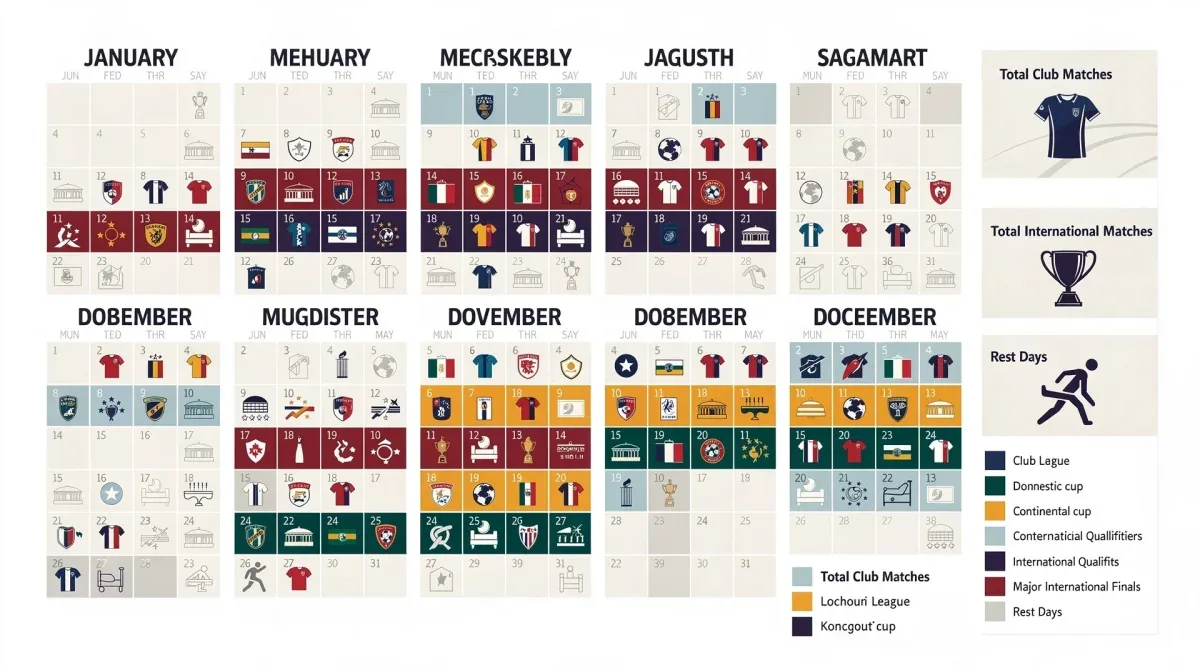
A typical season for a top-tier player can involve participation in a domestic league, at least one major continental club competition (like the UEFA Champions League), domestic cup competitions, and international fixtures ranging from qualifiers to major tournaments such as the World Cup or European Championship. These commitments often overlap or run consecutively, creating a mosaic of competitive pressure that spans nearly the entire year.
The Intensifying Calendar
The football calendar has steadily grown more congested over the past two decades. Driven by commercial interests, the desire for more competitive content, and the global appeal of the sport, governing bodies have introduced or expanded numerous tournaments. This has led to a situation where players rarely experience a true off-season, with mandatory breaks often shrinking to a matter of weeks, barely enough time for physical and mental recuperation before pre-season training begins.
- Domestic Leagues: 38+ games per season.
- Continental Club Competitions: Up to 13 games (e.g., Champions League).
- Domestic Cups: Several knockout matches.
- International Matches: Qualifiers, friendlies, major tournaments.
This relentless schedule has tangible consequences. Studies consistently show a correlation between increased match exposure and higher rates of injury, particularly soft tissue injuries. Muscle fatigue, burnout, and reduced performance are also common byproducts of an overloaded calendar. Players are pushed to their physical and psychological limits, often sacrificing long-term health for short-term competitive success.
The current demands are already at a critical point, with many coaches and medical professionals voicing concerns about player welfare. The addition of a major, month-long tournament like the expanded FIFA Club World Cup threatens to push these demands beyond a sustainable threshold, potentially leading to an unprecedented wave of player fatigue and injury.
Impact on Player Workload and Welfare
The introduction of the 32-team FIFA Club World Cup will undoubtedly exacerbate the already critical issue of player workload. This expanded tournament will not merely add a few games; it will insert a high-intensity, month-long competition into an already saturated schedule, requiring extensive travel and demanding peak performance from athletes who are often already fatigued from an 11-month season. The cumulative effect on player welfare could be profound, impacting physical health, mental well-being, and career longevity.
Medical professionals and sports scientists have long warned about the dangers of excessive match exposure. Each game, particularly at the elite level, involves significant physical exertion, requiring days for full recovery. When these recovery periods are shortened or eliminated by a constant stream of fixtures, players become more susceptible to injuries, especially muscle strains and tears. The risk of long-term degenerative conditions also increases, potentially shortening careers.
Physical and Mental Strain
The physical demands of modern football are immense, with players covering significant distances at high speeds, engaging in frequent sprints, tackles, and aerial duels. An expanded tournament adds to this physical toll, but the mental strain is equally significant. Constant pressure to perform, combined with travel fatigue, disrupted sleep patterns, and prolonged periods away from family, can lead to burnout, anxiety, and depression.

- Increased injury rates, particularly soft tissue injuries.
- Elevated risk of chronic fatigue and overtraining syndrome.
- Mental health issues such as burnout, stress, and anxiety.
- Reduced performance levels due to accumulated fatigue.
The mental aspect is often overlooked but is crucial for sustained elite performance. Players need time to decompress, mentally reset, and spend quality time outside the intense football environment. The new Club World Cup format, by further compressing the calendar, will strip away even more of these vital recovery opportunities, potentially leading to a decline in overall player well-being.
Furthermore, the high stakes of a global club competition mean that players cannot afford to perform at anything less than their best. This constant pressure to deliver, even when physically and mentally exhausted, creates a vicious cycle that can be incredibly detrimental. The question is not just whether players can physically play the games, but whether they can maintain their peak performance and well-being over such an extended and intense period.
Scheduling Conflicts and Calendar Congestion
One of the most immediate and tangible challenges presented by the 32-team FIFA Club World Cup is the inevitable exacerbation of scheduling conflicts and overall calendar congestion. The football year is already meticulously planned, with domestic leagues, continental competitions, and international windows all vying for prime dates. Inserting a month-long, high-profile tournament into this existing framework creates a logistical nightmare, impacting clubs, national teams, and even other sports.
The primary concern revolves around finding a suitable slot for the tournament. The current proposal places it in the summer, typically a period reserved for major international tournaments (like the World Cup or Euros) or the crucial off-season for players. This means either displacing existing competitions, shortening player breaks, or extending the season further into previously unused windows, all of which have significant repercussions.
Impact on Domestic and International Fixtures
The addition of the Club World Cup will directly conflict with established domestic league schedules and pre-season preparations. Clubs participating in the tournament will have their pre-season significantly altered or cut short, potentially affecting their readiness for the upcoming domestic campaign. This could lead to a competitive disadvantage for those clubs and further increase injury risks as players are rushed back into competitive action without adequate preparation.
- Disruption of domestic league schedules.
- Shortened or altered pre-season for participating clubs.
- Potential conflicts with international breaks or other major tournaments.
- Increased pressure on national team managers for player release.
Moreover, the tournament's timing could clash with international breaks, forcing national team managers to make difficult choices regarding player availability. This creates tension between clubs and national federations, a perennial issue in international football. The ripple effect of this congestion extends throughout the football pyramid, affecting smaller clubs and lower divisions who rely on a stable calendar.
The current calendar is already stretched to its limits. Any further additions, no matter how prestigious, will necessitate difficult compromises. These compromises often come at the expense of player well-being and the integrity of other competitions. Finding a harmonious balance that satisfies all stakeholders while prioritizing athlete health remains an elusive goal in the face of continuous expansion.
Mitigation Strategies and Player Protection
Addressing the increased player workload stemming from the 32-team FIFA Club World Cup requires a multifaceted approach focused on mitigation strategies and enhanced player protection. Simply adding more games without implementing robust measures to safeguard athletes is unsustainable and irresponsible. A collaborative effort involving FIFA, confederations, domestic leagues, clubs, and player unions is essential to navigate this challenging new landscape.
One primary area of focus must be the restructuring of the overall football calendar. This might involve reducing the number of international breaks, streamlining domestic cup competitions, or even adjusting the length of domestic league seasons. Such changes would be contentious but necessary to create space for the new tournament without overburdening players further. The current model simply cannot absorb another major event without significant adjustments elsewhere.
Prioritizing Rest and Recovery
Ensuring adequate rest and recovery periods for players must be a non-negotiable priority. This includes mandating longer off-season breaks, implementing minimum rest periods between matches, and providing comprehensive support systems for physical and mental recuperation. Clubs and national teams need to invest more in sports science, medical staff, and psychological support to monitor and manage player fatigue effectively.
- Mandatory longer off-season breaks for players.
- Minimum rest periods between competitive matches.
- Enhanced sports science and medical support within clubs.
- Greater emphasis on mental health and psychological well-being.
Furthermore, regulating squad sizes and ensuring fair rotation policies could help distribute the workload more evenly among players. While elite clubs typically have large squads, the pressure to play key individuals in every major game often overrides rotation strategies. Clear guidelines and perhaps even incentives for player rotation could encourage coaches to manage their players' minutes more judiciously.
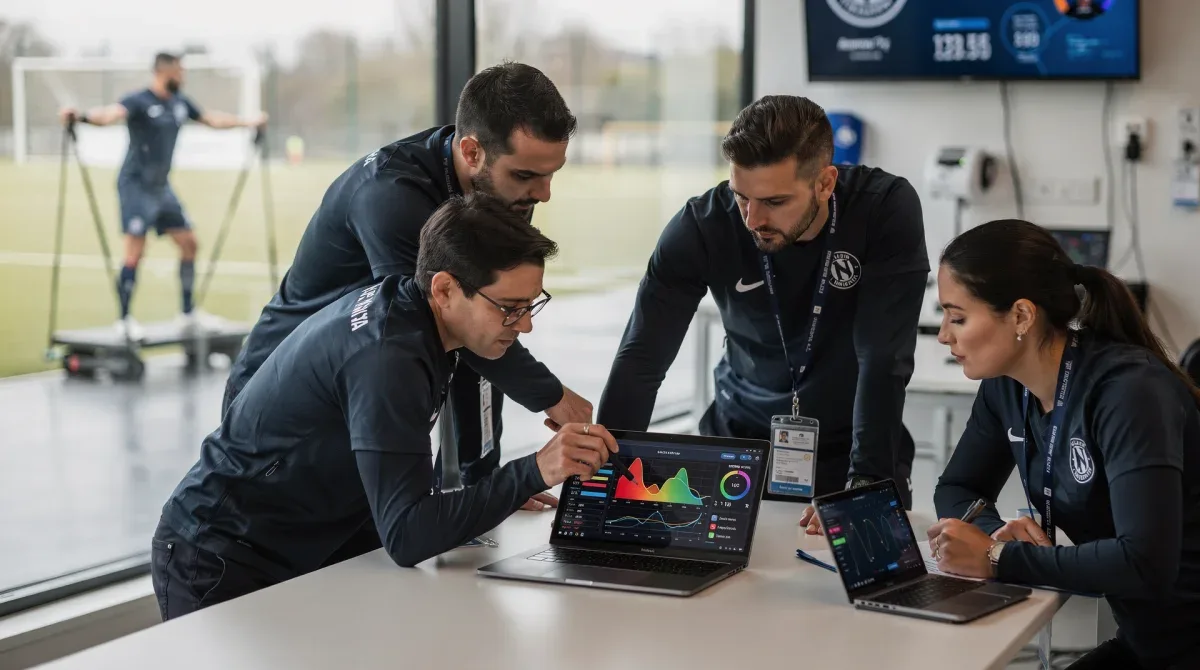
Technological advancements also offer opportunities for better workload management. Wearable technology, advanced data analytics, and artificial intelligence can provide real-time insights into player fatigue levels and injury risk, allowing medical teams to intervene proactively. Ultimately, a holistic approach that combines structural calendar changes, robust player protection policies, and cutting-edge sports science is vital to ensure the long-term health and sustainability of elite football in the era of an expanded FIFA Club World Cup.
Player Perspectives and Stakeholder Reactions
The voices of the players, arguably the most affected by the expanded FIFA Club World Cup, are crucial in this discussion. Many high-profile athletes and player unions have already expressed significant concerns regarding the intensified schedule and its potential impact on their careers and well-being. Their perspectives offer invaluable insights into the realities of playing at the elite level under increasing pressure, emphasizing the human element behind the strategic decisions of football's governing bodies.
FIFPRO, the global players' union, has been particularly vocal, advocating for mandatory rest periods and a more sustainable calendar. They highlight the physical and mental toll on players, pointing to increased injury rates and the psychological burden of relentless competition. Their research often underscores the need for greater player involvement in decision-making processes that directly affect their health and careers.
Concerns from Players and Coaches
Players frequently cite fatigue, lack of adequate recovery time, and the emotional drain of constant travel and high-stakes matches as major concerns. Many feel that their voices are not sufficiently heard when major tournament expansions are decided. Coaches, too, often echo these sentiments, understanding the practical challenges of managing player fitness and preventing burnout across an increasingly congested season.
- Expressions of fatigue and burnout from top players.
- Calls from player unions for mandatory rest periods.
- Concerns from coaches about player availability and injury risk.
- Desire for greater player representation in football governance.
Beyond the players, various other stakeholders also react to the new format with mixed feelings. Clubs, while potentially benefiting from the financial rewards and global exposure, grapple with the logistical complexities and the increased risk of player injuries. Domestic leagues worry about the disruption to their own schedules and the competitive balance, especially if their top teams are heavily involved in the Club World Cup.
FIFA, on the other hand, emphasizes the global development of football and the creation of a truly world-class club competition. They argue that the benefits of increased exposure and revenue will trickle down, benefiting football as a whole. However, balancing these ambitious goals with the fundamental need for player welfare remains the central challenge, requiring ongoing dialogue and a willingness to adapt the proposed structures based on real-world impacts.
The Future Landscape of Global Club Football
The 32-team FIFA Club World Cup is set to profoundly reshape the future landscape of global club football, ushering in an era of increased international competition and potentially redefining the priorities of top clubs. While the tournament aims to elevate the global appeal of club football, its long-term effects on existing competitions, player career paths, and the overall health of the sport warrant careful consideration. This expansion is not merely an isolated event but a significant shift in the sport's ecosystem.
One of the most anticipated outcomes is the potential for increased financial flows into club football, especially for teams from confederations that historically have had less access to such high-profile international stages. This could lead to a more equitable distribution of resources and a stronger competitive balance globally. However, it also raises questions about whether these benefits will genuinely offset the added strain on players and the potential disruption to established domestic and continental structures.
Evolving Club Strategies and Player Development
Clubs will likely need to adapt their long-term strategies, potentially investing more heavily in squad depth, advanced sports science, and player rotation policies. The ability to manage a demanding schedule across multiple competitions will become an even more critical factor in sustained success. This could also influence player development pathways, with a greater emphasis on physical resilience and tactical versatility from a younger age.
- Increased investment in squad depth and player rotation.
- Enhanced focus on sports science and injury prevention.
- Potential shift in transfer market dynamics for resilient players.
- Redefinition of what constitutes a successful club season.
The expanded Club World Cup could also impact the prestige and commercial viability of existing continental club competitions. While the UEFA Champions League is unlikely to be dethroned as the pinnacle of European club football, other confederations' competitions might see their importance subtly shift as the global stage gains prominence. This could lead to a re-evaluation of how clubs prioritize their involvement in various tournaments.
Ultimately, the success of the new format will hinge on its ability to integrate seamlessly into the existing football calendar without compromising player welfare or undermining other vital competitions. It represents a bold step towards a more globalized club football landscape, but one that comes with significant responsibilities. The challenge lies in ensuring that this evolution benefits all aspects of the sport, from the elite professional to the grassroots level, without pushing its most valuable assets—the players—to their breaking point.
| Key Point | Brief Description |
|---|---|
| Expanded Format | New 32-team FIFA Club World Cup, held every four years, significantly extends tournament duration. |
| Player Workload | Adds a month of high-intensity matches to an already congested 11-month schedule, increasing injury risk and fatigue. |
| Scheduling Conflicts | Challenges existing domestic leagues, continental competitions, and international breaks, requiring calendar adjustments. |
| Mitigation Needs | Requires mandatory rest periods, enhanced sports science, and collaborative calendar restructuring to protect player welfare. |
Frequently Asked Questions About Player Workload
What is the new FIFA Club World Cup format?▼The new format expands the tournament to 32 teams, held every four years, featuring group stages and knockout rounds. It aims to be a global spectacle akin to the FIFA World Cup for national teams, significantly increasing the number of matches compared to its previous iteration.
How will this format impact player workload?▼It will add approximately three to four weeks of high-intensity competition to an already packed 11-month schedule. This increases physical and mental strain, elevating the risk of injuries, chronic fatigue, and burnout for elite players across all participating clubs.
What are the main concerns regarding player welfare?▼Key concerns include increased injury rates, particularly soft tissue injuries, reduced recovery time between matches, mental fatigue, and burnout. Players may also experience a shorter career span due to the cumulative physical demands of constant high-level competition.
What solutions are proposed to mitigate player workload?▼Proposed solutions include restructuring the global football calendar, enforcing mandatory longer off-season breaks, implementing minimum rest periods between games, and enhancing sports science support for player monitoring and recovery. Greater player rotation is also advocated.
How will this affect domestic leagues and other competitions?▼The expanded Club World Cup could disrupt domestic league schedules and pre-season preparations for participating clubs. It may also create conflicts with existing international breaks and put pressure on the scheduling of other continental club competitions, leading to calendar congestion.
Conclusion
The transition to a 32-team FIFA Club World Cup represents an ambitious step for global football, promising heightened excitement and broader international engagement. However, this expansion comes with significant implications for player workload and welfare, inserting a month-long, high-intensity tournament into an already overstretched 11-month competitive calendar. Addressing the challenges of increased physical and mental strain, potential scheduling conflicts, and the need for robust player protection measures will be paramount. A collaborative effort among all football stakeholders is essential to ensure that the evolution of the sport does not come at the expense of its most valuable assets: the athletes who make the game possible.
