Low-Block Surge: 18% Defensive Formations in Elite Leagues 2026
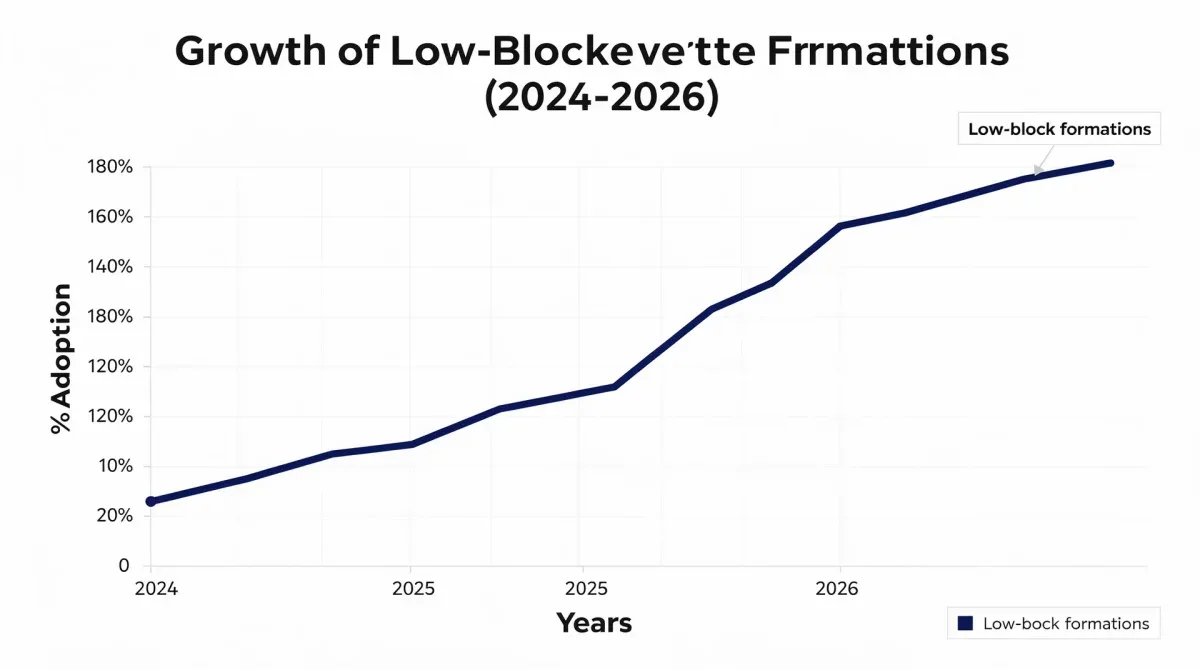
The 18% surge in low-block defensive formations across elite football leagues in 2026 represents a significant tactical evolution, emphasizing defensive solidity and counter-attacking prowess in modern soccer.
The tactical landscape of elite football is in constant flux, with innovations and adaptations shaping how the game is played. One of the most striking developments observed recently is the remarkable 18% surge in low-block defensive formations across elite leagues in 2026, a trend demanding thorough data analysis and evaluation. This shift profoundly impacts offensive strategies, player roles, and ultimately, the entertainment value of matches, prompting a deeper dive into its underlying causes and implications.
Understanding the low-block defensive formation
A low-block defensive formation is a tactical setup where a team positions the majority of its players deep in its own half, often around or inside their penalty area, to deny space to the opposition. The primary objective is to make it incredibly difficult for the attacking team to penetrate centrally or create clear-cut scoring opportunities. This strategy prioritizes defensive solidity and often relies on quick transitions for counter-attacks.
Historically, variations of deep defensive lines have existed, but the modern low-block is characterized by its organized shape, disciplined movement, and collective effort. It's not merely about 'parking the bus' but rather a sophisticated system designed to absorb pressure and frustrate opponents. The 2026 surge suggests a refinement and increased effectiveness of this approach, pushing it into the mainstream of elite tactical play.
Key characteristics of a low block
- Compactness: Minimizing the space between defensive lines and players.
- Central occupation: Prioritizing protection of the central zones and penalty box.
- Disciplined positioning: Players maintain their shape and roles rigorously.
- Forcing wide play: Encouraging opponents to attack from the flanks, where crossing can be defended.
The low-block is a reactive strategy, designed to counter teams that dominate possession and seek to play through the lines. Its resurgence indicates a potential shift in how coaches view risk and reward, opting for defensive stability over proactive pressing. Analyzing the data behind this 18% increase reveals a widespread adoption that transcends individual coaching philosophies, pointing to broader tactical trends.

The evolution of the low block also involves sophisticated data analysis, allowing teams to optimize their defensive shapes against specific opponents. Metrics such as expected goals conceded (xGC) from central areas, successful clearances, and counter-attack efficiency are crucial in evaluating the effectiveness of this formation. Understanding these nuances is key to appreciating why so many elite teams are now embracing this defensive philosophy.
Factors driving the 18% surge in 2026
Several convergent factors contribute to the significant 18% increase in low-block defensive formations across elite leagues in 2026. This trend is not coincidental but rather a calculated response to various developments within modern football, ranging from player profiles to technological advancements in tactical analysis.
One major factor is the increasing athleticism and technical quality of attacking players. As forwards and midfielders become faster, more agile, and more adept at dribbling in tight spaces, coaches are compelled to find methods to nullify these individual threats. A compact low-block denies these players the space they thrive in, forcing them into less dangerous areas or hurried decisions.
Technological impact and data analytics
- Advanced scouting: Detailed analysis of opponent attacking patterns allows teams to tailor low-block setups.
- Player tracking: Real-time data helps coaches adjust defensive lines and compactness during matches.
- Performance metrics: Quantifying defensive success (e.g., successful tackles in the box, blocked shots) validates the low-block approach.
Another crucial element is the rise of highly effective counter-attacking football. With lightning-fast wingers and clinical strikers, many teams find that absorbing pressure and then launching rapid attacks can be a more efficient path to goal than sustained possession. The low-block provides the stable defensive platform required for these transitions.
Furthermore, the physical demands of high-intensity pressing throughout an entire match are immense. A low-block can be less physically taxing for certain player types, allowing teams to conserve energy for offensive transitions or to maintain defensive discipline for longer periods. This strategic energy management has become increasingly important in crowded fixture schedules.
The financial disparities within leagues also play a role. Teams with fewer resources or less individual talent often adopt low-block strategies to level the playing field against wealthier, more dominant clubs. By minimizing risk and maximizing defensive solidity, they can compete more effectively, leading to more competitive matches and unexpected results. This pragmatic approach has proven successful for many underdog teams, inspiring broader adoption.
Tactical implications for offensive teams
The widespread adoption of low-block defensive formations presents significant tactical challenges for offensive teams, forcing them to rethink their approach to breaking down resolute defenses. The traditional methods of possession-based football often struggle against a well-drilled low block, leading to frustrating stalemates and a demand for new attacking solutions.
Offensive teams must now focus on creating space in congested areas, which often involves intricate passing patterns, intelligent off-the-ball movement, and individual brilliance. The emphasis shifts from direct penetration to patiently probing for openings, often requiring a higher volume of passes and a greater degree of precision in tight spaces. This tactical chess match becomes a central feature of many elite league encounters.
Strategies to break down a low block
- Wing play and crosses: Overloading wide areas to create crossing opportunities.
- Long-range shooting: Testing the goalkeeper from outside the box when central avenues are blocked.
- Individual brilliance: Relying on star players to create moments of magic through dribbling or incisive passes.
- Set pieces: Maximizing corners and free kicks as direct scoring chances.
The prevalence of the low block also impacts player recruitment and development. Offensive teams may increasingly seek players with exceptional dribbling skills, vision for a killer pass in tight spaces, or powerful long-range shots. Creative midfielders and versatile forwards capable of operating in congested areas become even more valuable assets.
Furthermore, coaches are exploring innovative positional play and rotational movements to disorganize the low block. This includes using inverted full-backs, false nines, and fluid attacking trios to create numerical advantages or drag defenders out of position. The battle against the low block is pushing tactical boundaries and fostering new offensive philosophies in response.
The mental aspect is also crucial for attacking teams. Frustration can set in when faced with a stubborn low block, leading to rushed decisions and a loss of composure. Maintaining patience, discipline, and belief in the attacking system is paramount, requiring strong leadership and tactical adherence from players. The psychological warfare against a low block is as important as the tactical one.
Impact on player roles and responsibilities
The 18% surge in low-block defensive formations has profoundly reshaped player roles and responsibilities across the pitch. Each position, from goalkeeper to striker, must adapt to the demands of playing within or against this prevalent tactical setup, requiring new skill sets and a refined understanding of positional play.
For teams employing a low block, defenders and defensive midfielders become even more critical. They must exhibit exceptional positional awareness, disciplined tackling, and the ability to organize the defensive line effectively. Communication and anticipation are paramount, as any lapse can be exploited by the opposition. These players are the bedrock of the low-block system.
Evolving player profiles
- Central defenders: Must be excellent at aerial duels, blocking shots, and organizing the backline.
- Full-backs: Expected to defend narrow, track runners, and contribute to quick counter-attacks.
- Defensive midfielders: Crucial for screening the defense, breaking up play, and initiating transitions.
- Wingers/Forwards: Must track back diligently, form part of the defensive block, and be explosive on the counter.
On the attacking side, players facing a low block also have adjusted roles. Creative midfielders are tasked with finding pockets of space and delivering incisive passes through narrow gaps. Strikers must exhibit excellent movement to disorient defenders and be clinical with limited chances. Wide players are often relied upon to provide width and deliver dangerous crosses.
Goalkeepers, too, experience a shift in their duties. While still needing to make saves, their distribution becomes vital for launching counter-attacks. Their ability to quickly identify passing options and execute precise long balls can turn defense into attack in seconds, adding another dimension to their role beyond shot-stopping.
The modern football player, regardless of position, must be tactically versatile and capable of performing both defensive and offensive duties. The low-block trend emphasizes the collective effort required in football, where every player contributes to both phases of the game. This holistic approach to player development is becoming increasingly important in elite academies and professional clubs.
Data analysis: Quantifying the low-block's effectiveness
Data analysis has been instrumental in evaluating the 18% surge in low-block defensive formations and quantifying its effectiveness. Modern football relies heavily on metrics to understand tactical trends, optimize performance, and inform coaching decisions. The numbers reveal not just the prevalence but also the impact of this defensive strategy.
Key performance indicators (KPIs) used to assess the low block include expected goals against (xGA), shots on target conceded, successful defensive actions within the penalty area, and counter-attack conversion rates. By tracking these metrics, analysts can determine how well a low block is preventing goals and how efficiently it's creating scoring opportunities from transitions.
Key metrics for low-block evaluation
- Expected goals against (xGA): Measures the quality of chances conceded, indicating defensive solidity.
- Defensive duels won: Percentage of successful tackles and interceptions in defensive zones.
- Counter-attack goals/chances: Quantifies offensive output generated from defensive transitions.
- Possession deep: The percentage of time the ball is in a team's defensive third, indicating sustained low-block play.
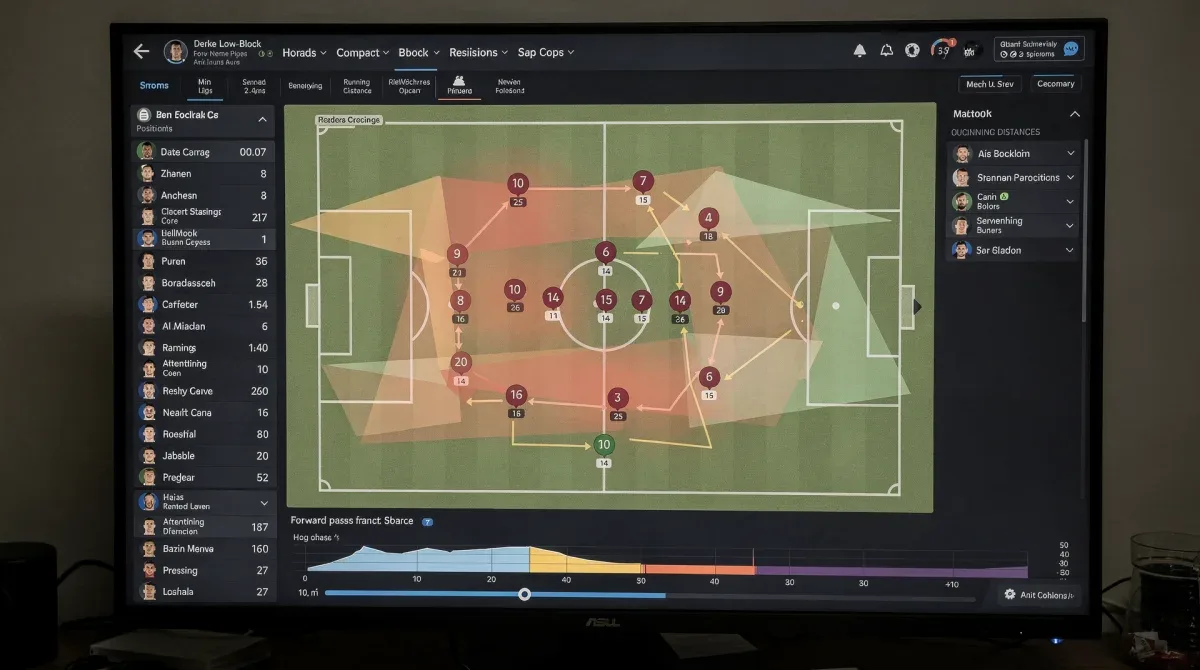
The 18% increase is derived from comprehensive data sets across multiple elite leagues, tracking tactical deployments in thousands of matches. This data points to a statistically significant shift, indicating that coaches are finding success with this approach. The analysis also often involves comparing the win/loss records and league positions of teams employing low blocks against those using more expansive strategies.
Furthermore, advanced analytics can break down the effectiveness of specific low-block variations, such as 4-4-2 or 5-3-2 setups, against different types of attacking opposition. This granular level of detail allows coaches to fine-tune their tactics and provides a deeper understanding of why certain teams are more successful with this defensive philosophy.
The ongoing data collection and analysis will continue to refine our understanding of the low block. As more teams adopt and adapt this strategy, new metrics and analytical models will emerge to capture its evolving nuances. This data-driven approach ensures that tactical discussions are grounded in empirical evidence, moving beyond subjective observations.
Future outlook: Will the low block continue to dominate?
The future of low-block defensive formations in elite football is a subject of intense debate and speculation. While the 18% surge in 2026 clearly indicates its current dominance, football tactics are cyclical, and every prevalent strategy eventually faces its counter-tactical evolution. The question remains: will the low block continue its ascendancy, or will new offensive innovations emerge to neutralize its effectiveness?
One perspective suggests that as long as attacking talent continues to improve, and the physical demands of high-pressing remain high, the low block will retain its appeal. It offers a reliable framework for defensive stability and a platform for explosive counter-attacks, which are timeless principles of successful football. Its adaptability makes it a resilient tactical choice.
Potential counter-tactics and adaptations
- Increased individual brilliance: More emphasis on players who can dribble past multiple defenders.
- Dynamic positional rotations: Complex movements to create overloads and disorganize defensive shapes.
- Set-piece innovation: Developing more elaborate and effective routines to score from dead-ball situations.
- Deep-lying playmakers: Players capable of delivering precise long-range passes to bypass midfield congestion.
However, history teaches us that football is a game of constant evolution. As more teams perfect their low-block strategies, offensive coaches and players will inevitably devise new methods to break them down. This could involve an even greater emphasis on individual skill, advanced set-piece routines, or entirely new attacking formations that exploit specific weaknesses of a compact defense.
The role of technology will also be crucial. As data analysis becomes even more sophisticated, it will not only help teams implement low blocks but also assist in finding their vulnerabilities. AI-driven tactical simulations could uncover patterns and solutions that are currently unforeseen, leading to the next wave of tactical innovation.
Ultimately, the dominance of the low block will depend on the balance between defensive solidity and offensive creativity. If the game becomes too defensively oriented, there will be a natural push to restore attacking flair and goal-scoring excitement. The cyclical nature of football ensures that no single tactic remains supreme indefinitely, promising an exciting period of tactical innovation ahead.
The fan experience and media perception
The 18% surge in low-block defensive formations, while tactically intriguing, inevitably sparks discussions about its impact on the fan experience and media perception of the game. For many purists and casual viewers alike, football is synonymous with attacking flair, open play, and a high volume of goals. A proliferation of low blocks can alter this perception, leading to varied reactions.
From a fan's perspective, matches featuring two teams employing deep defensive blocks can sometimes be perceived as less exciting, with fewer clear-cut chances and a greater emphasis on tactical attrition. This can lead to frustration, particularly when star attackers are effectively neutralized, and games end in low-scoring draws or narrow victories. The beauty of the game, for some, lies in attacking spectacle.
Media narratives and fan engagement
- Emphasis on defensive masterclasses: Media highlights the tactical discipline and organization of low-block teams.
- Debates on entertainment value: Discussions arise about whether defensive tactics diminish the overall enjoyment of matches.
- Focus on individual attacking brilliance: Media often celebrates players who can break down stubborn defenses.
- Tactical breakdowns: Increased analytical coverage explaining the nuances of defensive systems.
However, for tactical aficionados, a well-executed low block can be a thing of beauty. The discipline, organization, and collective effort required to stifle a potent attack are often appreciated as a different form of artistry. Media coverage often reflects this duality, with pundits either lamenting the lack of attacking intent or praising the defensive prowess on display.
The media also plays a crucial role in shaping public opinion. By highlighting the strategic genius behind a low block or the challenges it poses for attacking teams, they can educate viewers and foster a deeper appreciation for the tactical complexity of the game. Conversely, sensationalist headlines about 'boring' football can detract from the nuanced tactical battles unfolding on the pitch.
Ultimately, the sustained popularity of football relies on a balance of attacking excitement and defensive solidity. While the low block has proven effective, its long-term impact on fan engagement will depend on how it evolves and whether offensive innovations can provide compelling counter-narratives. The beautiful game's charm often lies in its unpredictability and the dynamic interplay of contrasting styles.
| Key Aspect | Brief Description |
|---|---|
| 18% Surge | Significant increase in low-block defensive formations in elite leagues by 2026. |
| Tactical Shift | Emphasizes defensive solidity, denying space, and quick counter-attacks. |
| Data-Driven Analysis | Metrics like xGA and counter-attack efficiency validate its effectiveness. |
| Future Outlook | Ongoing debate on its sustainability against evolving offensive tactics. |
Frequently asked questions about low-block formations
What is a low-block defensive formation in football?▼A low-block defensive formation involves a team positioning most of its players deep in their own half, typically around the penalty area. The goal is to deny space to the opposition, making it difficult for them to penetrate centrally and create scoring chances, often setting up for quick counter-attacks.
Why has there been an 18% surge in low-block formations?▼The surge is attributed to several factors, including the increasing quality of attacking players, the effectiveness of counter-attacking strategies, advanced data analysis enabling tailored defensive setups, and the physical demands of high-pressing. It offers a pragmatic approach to defensive solidity.
How do offensive teams counter a low-block defense?▼Offensive teams attempt to break down low blocks through wide play and crosses, long-range shooting, individual brilliance, and effective set pieces. They also use intricate passing patterns, intelligent off-the-ball movement, and dynamic positional play to create space.
What impact does the low block have on player roles?▼The low block demands exceptional positional awareness and discipline from defenders and defensive midfielders. Forwards and wingers must track back diligently and be explosive on counter-attacks. Goalkeepers' distribution skills become crucial for initiating transitions, emphasizing collective effort.
Will the low-block strategy continue to dominate in football?▼While currently dominant, football tactics are cyclical. The low block's future depends on counter-tactical innovations from offensive teams, including more individual brilliance, dynamic positional rotations, and advanced set-piece strategies. Technology will also play a role in evolving or neutralizing this approach.
Conclusion
The 18% surge in low-block defensive formations across elite leagues in 2026 signifies a pivotal moment in football tactics. This data-driven trend highlights a growing emphasis on defensive solidity, strategic counter-attacking, and meticulous game planning. While it poses significant challenges for offensive teams and sparks debates about the game's entertainment value, it also showcases the dynamic adaptability of modern football. As coaches and players continue to innovate, the interplay between defensive mastery and attacking creativity promises to evolve, ensuring that the beautiful game remains a captivating spectacle for fans worldwide.
