NWSL CBA Analysis: Salary Cap Rise to $3.3 Million Reshapes League
The NWSL Collective Bargaining Agreement's significant salary cap increase to $3.3 million is poised to profoundly reshape the league, enhancing player welfare, attracting top talent, and fostering unprecedented growth in women's professional soccer.
The landscape of women's professional soccer in the United States is undergoing a monumental transformation with the latest NWSL Collective Bargaining Agreement Analysis: Salary Cap Rise to $3.3 Million Reshapes the League. This pivotal agreement signals a new era for players, teams, and fans alike, promising enhanced opportunities and a more competitive environment. It's a moment that demands a closer look at the intricate details and far-reaching implications.
Understanding the NWSL Collective Bargaining Agreement
The Collective Bargaining Agreement (CBA) in any professional sports league is a foundational document, outlining the terms and conditions of employment for its athletes. For the National Women's Soccer League (NWSL), the recent CBA is particularly significant, as it addresses long-standing issues and sets a new standard for player compensation and benefits. This agreement is not just a contract; it's a statement about the league's commitment to its players and its vision for sustained growth.
Historically, women's professional sports leagues have faced challenges in securing robust financial backing and equitable player compensation. The NWSL, despite its rapid growth in popularity, has been no exception. The previous financial structures often left players struggling with lower wages, limited benefits, and less job security compared to their male counterparts. This new CBA aims to rectify many of these disparities, moving the league closer to a truly professional model.
The evolution of player representation
The journey to this new CBA has been a testament to the power of collective action. Players, through their association, have actively negotiated for better conditions, highlighting the importance of their voices in shaping the league's future. This collaborative effort between players and the league office underscores a maturing relationship, built on mutual respect and a shared desire for success.
- Player empowerment: The CBA empowers players with greater influence over their working conditions.
- Negotiating power: It establishes a clear framework for future negotiations and dispute resolution.
- Standardization: The agreement standardizes many aspects of player contracts across the league.
In essence, the NWSL CBA is a comprehensive document that covers everything from minimum salaries and benefits to working conditions and player rights. Its details reflect a deep understanding of the unique challenges faced by female athletes and a proactive approach to addressing them. This collective agreement is a cornerstone for the league's stability and future prosperity.
The agreement represents a crucial step forward, ensuring that the NWSL continues to attract and retain top talent while providing a stable and supportive environment for its athletes. It reflects a growing recognition of the value and contributions of women's professional soccer players.
The Impact of the $3.3 Million Salary Cap Increase
The most eye-catching provision of the new NWSL Collective Bargaining Agreement is undoubtedly the significant increase in the salary cap to $3.3 million. This figure marks a substantial leap from previous caps, signaling a dramatic shift in how teams can compensate their players. This isn't merely an incremental adjustment; it's a foundational change that will reverberate throughout the entire league, affecting everything from player recruitment to team competitiveness.

A higher salary cap directly translates to increased earning potential for players. This is critical for attracting and retaining elite talent, both domestically and internationally. For years, the NWSL has competed with leagues abroad for top players, often losing out due to lower compensation. The new cap aims to level the playing field, making the NWSL a more attractive destination for the world's best female footballers.
Attracting and retaining top talent
With more financial flexibility, NWSL teams can now offer more competitive salaries, reducing the incentive for players to seek opportunities in other leagues. This not only keeps top American talent at home but also draws international stars to the NWSL, elevating the overall quality and excitement of the competition.
- Global appeal: The league becomes more appealing to international players.
- Player retention: Teams can better retain their star athletes with improved contracts.
- Competitive balance: A higher cap allows for more strategic roster building across the league.
Beyond individual player salaries, the increased cap also impacts team strategy. General managers and coaches will have more room to maneuver, building deeper, more talented rosters. This could lead to a higher quality of play, more competitive matches, and a more engaging product for fans. The ripple effect extends to youth development, as aspiring players see a clearer, more lucrative path to professionalism within the NWSL.
The $3.3 million salary cap is a game-changer, fostering a more professionalized environment where players are fairly compensated for their skill and dedication. It's an investment in the athletes and, by extension, in the future success and prominence of the NWSL.
How the Salary Cap Reshapes Team Strategies and Roster Building
The substantial increase in the NWSL salary cap to $3.3 million forces every general manager and coaching staff to re-evaluate their entire approach to team building. This isn't just about spending more money; it's about spending it smarter and more strategically. The new financial landscape presents both incredible opportunities and complex challenges, demanding innovative thinking to maximize competitive advantage.
Previously, teams often operated with severe budget constraints, making difficult choices between retaining key veterans and investing in promising new talent. With the expanded cap, there's more room to do both. This allows for deeper rosters, providing crucial depth in case of injuries or international call-ups, which have historically plagued NWSL teams.
Strategic allocation of resources
Teams will now focus on a more balanced allocation of their salary budget. Instead of concentrating funds on just a few marquee players, they can spread the wealth, ensuring that every position is adequately compensated and contributes to the team's overall strength. This could lead to a rise in overall team quality across the league, making every match more competitive.
- Depth building: Teams can afford more quality players to build deeper squads.
- Player development: Funds can be allocated to support emerging talent alongside veterans.
- Free agency impact: More appealing contracts will influence player movement in free agency.
The new cap will also intensify the competition for coveted free agents. Players who might have previously considered international options will now find more attractive offers within the NWSL. This could lead to exciting player movements and a dynamic free agency period each year, adding another layer of intrigue for fans.
Ultimately, the increased salary cap empowers teams to construct more robust, resilient, and talented rosters. This strategic shift is vital for raising the overall quality of play and ensuring the NWSL continues its trajectory as a premier women's sports league.
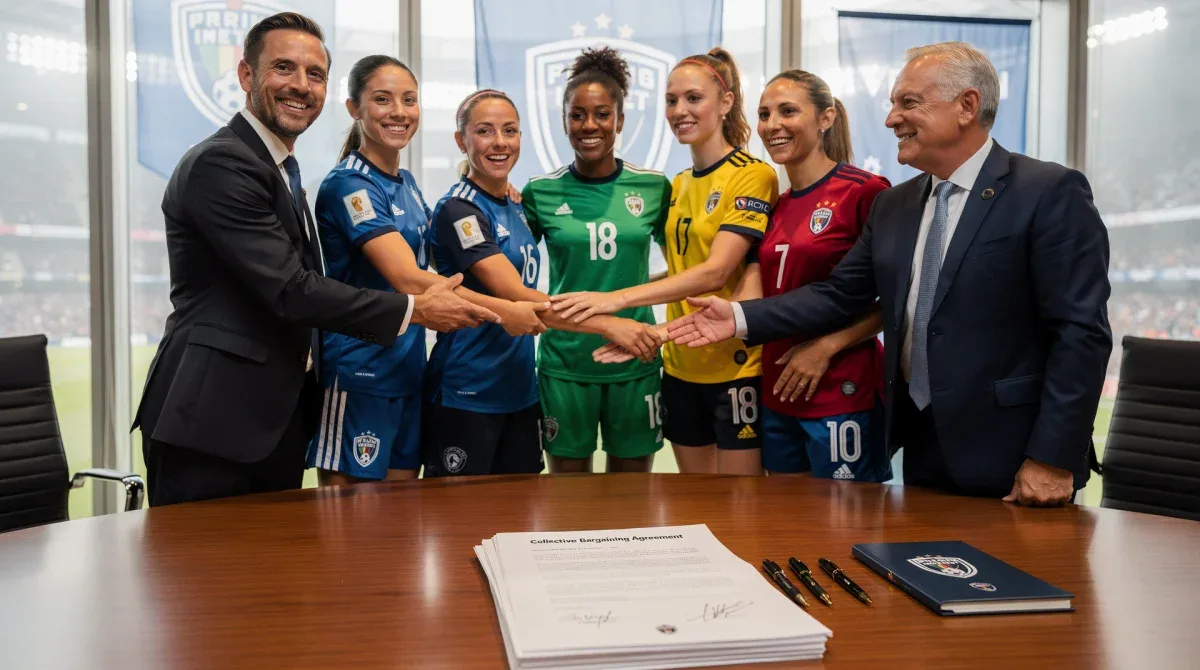
Enhanced Player Compensation and Benefits
Beyond the headline-grabbing salary cap figure, the NWSL Collective Bargaining Agreement includes a suite of provisions designed to significantly enhance player compensation and benefits. These improvements are crucial for the long-term well-being and professionalization of NWSL athletes, addressing many areas where previous agreements fell short. It's a holistic approach to valuing the players as essential assets of the league.
The agreement outlines substantial increases in minimum salaries, ensuring that even entry-level players receive a living wage. This is a critical step towards financial stability for all athletes, allowing them to focus more on their performance without the added stress of economic insecurity. The rise in minimums creates a stronger baseline for all players, not just the stars.
Comprehensive benefits package
The CBA also introduces or significantly improves various benefits, moving beyond just monetary compensation. These benefits are designed to support players throughout their careers and even beyond, recognizing the physical and mental demands of professional sports.
- Healthcare coverage: Expanded and improved medical, dental, and vision benefits.
- Retirement plans: Introduction of retirement savings plans to secure players' futures.
- Maternity leave: Enhanced maternity and parental leave policies, supporting player families.
- Mental health resources: Increased access to mental health support and counseling services.
Furthermore, the agreement addresses other critical aspects such as housing, transportation, and per diem allowances during travel. These seemingly smaller details contribute significantly to a player's quality of life and ability to perform at their best. By providing comprehensive support, the NWSL is investing in its athletes as whole individuals, not just performers on the field.
The enhanced compensation and benefits package within the new CBA is a landmark achievement. It reflects a growing understanding of what it means to be a professional athlete in the 21st century and sets a new standard for player welfare in women's sports.
The Broader Implications for NWSL Growth and Sustainability
The NWSL Collective Bargaining Agreement, with its elevated salary cap and improved player conditions, extends its influence far beyond individual player contracts and team strategies. It lays a robust foundation for the league's sustained growth and long-term sustainability. This agreement is a strategic investment that promises to yield significant returns in terms of audience engagement, commercial partnerships, and overall league prestige.
A more professional and financially stable league is inherently more attractive to potential investors and sponsors. Brands are increasingly seeking alignment with organizations that demonstrate a commitment to equity and athlete welfare. The NWSL's new CBA sends a clear message that the league is serious about its future, making it a more appealing partner for corporate entities looking to invest in women's sports.
Increased media attention and fan engagement
Improved player quality and more competitive matches, driven by the higher salary cap, will naturally lead to increased media attention and fan engagement. A more exciting product on the field translates to higher viewership numbers, larger attendance figures, and greater interest from sports media outlets. This creates a virtuous cycle where success on the field fuels commercial growth, which in turn allows for further investment in the league.
- Media visibility: Higher quality play attracts more broadcast and digital media coverage.
- Sponsorship opportunities: A more professional league appeals to major corporate sponsors.
- Fan base expansion: Enhanced competitiveness and player welfare resonate with and grow the fan base.
Moreover, the CBA strengthens the NWSL's position in the broader sports landscape. By demonstrating a commitment to fair labor practices and player development, the league sets a precedent for other women's sports organizations. It helps to legitimize women's professional sports as a serious and viable industry, capable of generating significant revenue and cultural impact.
The NWSL's growth and sustainability are intricately linked to its ability to attract and retain top talent, provide a professional environment, and secure robust financial backing. This CBA is a critical step in achieving those goals, paving the way for a brighter and more prosperous future for women's soccer.
Challenges and Opportunities Moving Forward
While the NWSL Collective Bargaining Agreement and its significant salary cap increase represent a monumental step forward, the journey ahead is not without its challenges and opportunities. Implementing such a comprehensive agreement requires careful planning, effective communication, and a continuous commitment from all stakeholders. The league must navigate these complexities to fully realize the potential of this transformative deal.
One of the primary challenges will be ensuring equitable distribution of talent and resources across all teams. While a higher salary cap offers more flexibility, smaller markets or less established teams might still struggle to compete with larger, more affluent clubs. The league will need to monitor competitive balance closely to maintain an engaging and unpredictable product.
Maximizing new revenue streams
The increased financial commitments outlined in the CBA necessitate a robust strategy for generating new revenue. This includes expanding broadcast deals, attracting larger sponsorships, increasing merchandise sales, and growing ticket revenues. The league and its teams must work collaboratively to capitalize on the heightened interest and deliver a premium experience to fans.
- Revenue generation: Developing new commercial partnerships and media rights deals.
- Player support services: Ensuring adequate resources for expanded player welfare programs.
- Long-term planning: Strategic investments in infrastructure and youth development pathways.
On the opportunity front, the CBA provides a platform for unprecedented growth. The NWSL can leverage its enhanced professionalism to expand into new markets, both domestically and internationally. There's also an opportunity to further integrate technology into the fan experience and player development, pushing the boundaries of what a professional sports league can achieve.
The path forward for the NWSL is one of immense potential, but it requires diligent management of both challenges and opportunities. The success of this new era will depend on the league's ability to adapt, innovate, and continue prioritizing the well-being and growth of its players.
The Future Landscape of Women's Professional Soccer
The NWSL Collective Bargaining Agreement, particularly the rise in the salary cap to $3.3 million, is not just a change for the NWSL; it's a powerful statement about the future landscape of women's professional soccer globally. This agreement sets a new benchmark, influencing other leagues and signaling a shift towards greater investment and recognition for female athletes worldwide. The ripple effects will be felt across the sport, inspiring further progress and challenging existing norms.
With the NWSL solidifying its position as a premier league, it creates a more vibrant ecosystem for women's soccer. This includes increased interest in youth development programs, as young girls see a clearer and more financially rewarding pathway to a professional career. The aspirational value of the NWSL grows exponentially with these enhanced conditions.
Global influence and competitive standards
Other women's leagues around the world will undoubtedly look to the NWSL's CBA as a model for their own negotiations and development. This could spark a global trend of improved player conditions and increased investment, elevating the standard of women's soccer on an international scale. The NWSL's leadership in this area is a testament to the dedication of its players, management, and fans.
- Global benchmark: The NWSL CBA sets a new standard for other leagues.
- Talent pool expansion: A more attractive NWSL can draw from an even wider global talent pool.
- Increased investment: The success encourages further investment in women's sports infrastructure.
Moreover, the enhanced financial stability and professional environment within the NWSL can lead to greater innovation on and off the field. Teams might invest more in sports science, analytics, and player support staff, further optimizing performance and well-being. This comprehensive approach to professionalism is key to sustaining long-term success and cementing the NWSL's legacy.
The future of women's professional soccer, spearheaded by agreements like the NWSL's latest CBA, is bright. It promises a sport where athletes are fully valued, competition is fierce, and the global appeal continues to soar, inspiring generations of players and fans alike.
| Key Point | Brief Description |
|---|---|
| Salary Cap Increase | The NWSL salary cap rises to $3.3 million, a significant boost for player compensation. |
| Player Benefits | Enhanced healthcare, retirement plans, and maternity leave are now included. |
| Team Strategy Shift | Teams gain flexibility for deeper rosters and more competitive player recruitment. |
| League Growth | The CBA supports long-term sustainability, attracting investors and growing the fan base. |
Frequently Asked Questions About the NWSL CBA
What is the primary change in the new NWSL Collective Bargaining Agreement?▼The most significant change is the substantial increase in the league's salary cap to $3.3 million. This allows teams to offer more competitive salaries and build deeper, more talented rosters, directly impacting player compensation and overall league competitiveness.
How does the increased salary cap benefit NWSL players?▼Players benefit from higher minimum salaries, greater earning potential, and improved financial stability. This helps retain top talent within the league and attracts international stars, enhancing the quality of play and professional opportunities for athletes.
What other benefits are included in the new NWSL CBA?▼Beyond salary, the agreement includes comprehensive benefits such as enhanced healthcare coverage, retirement plans, robust maternity and parental leave policies, and increased access to mental health resources, supporting players' holistic well-being.
How will the new CBA affect team strategies and roster construction?▼Teams now have greater financial flexibility to build deeper, more resilient rosters. This allows for better talent retention, more strategic free-agent acquisitions, and a more balanced distribution of resources across all positions, fostering greater league-wide competition.
What are the long-term implications of this agreement for the NWSL?▼The CBA strengthens the NWSL's sustainability and growth trajectory by attracting more investment, increasing media attention, and expanding the fan base. It positions the league as a leader in women's sports, setting a new standard for player welfare and professionalism globally.
Conclusion
The NWSL Collective Bargaining Agreement, marked by the significant salary cap increase to $3.3 million, represents a watershed moment for women's professional soccer. This transformative deal is poised to redefine player compensation, elevate the competitive landscape, and solidify the league's position as a global leader in sports. By prioritizing athlete welfare and investing in its talent, the NWSL is not only securing its own future but also setting a powerful precedent for women's sports worldwide. The journey ahead will undoubtedly present new challenges, but the foundation laid by this agreement promises a more equitable, exciting, and sustainable future for the NWSL.
