UCL Swiss Model: US Viewership Impact Explained
The UEFA Champions League's new 36-team Swiss model is set to revolutionize European club football, fundamentally altering competition structure and potentially reshaping US viewership habits through expanded matchdays and increased stakes.
The football world is buzzing with the impending changes to Europe's premier club competition. Breaking Down the UEFA Champions League 36-Team Swiss Model: Impact on US Viewership is crucial for understanding how this evolution will resonate across the Atlantic. This shift promises a fresh dynamic, from increased matchdays to a more integrated league format, directly influencing how American fans consume and engage with the beautiful game.
Understanding the UEFA Champions League Swiss Model Evolution
The UEFA Champions League, a tournament synonymous with elite European club football, is undergoing its most significant structural change in decades. The introduction of the 36-team Swiss model marks a departure from the traditional group stage format, aiming to inject more competitive balance and drama into the early phases of the competition. This evolution is not merely cosmetic; it fundamentally redefines how teams qualify, compete, and progress.
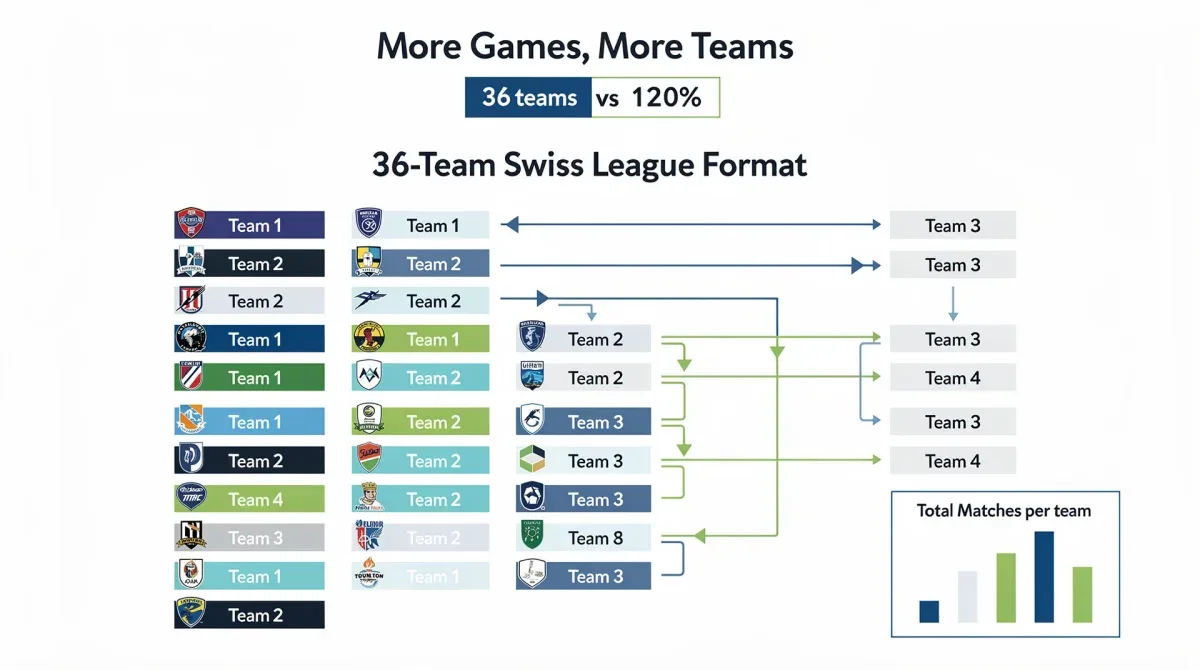
At its core, the Swiss model transforms the initial group stage into a single league phase. Instead of being drawn into small groups of four, all 36 participating teams will be ranked together in one unified league table. This innovative approach ensures that every match carries significant weight, as results directly impact a team's standing within the larger league, fostering a more engaging and unpredictable environment from the outset.
Key Structural Changes
The most notable change involves the number of matches and opponents. Under the new system, each team will play eight league-stage matches against eight different opponents, with four home games and four away games. This contrasts sharply with the previous format, where teams played six matches against just three opponents. The expanded schedule means more opportunities for diverse matchups and a greater chance for teams to prove their mettle against a wider range of European clubs.
- Expanded Teams: From 32 to 36 clubs, offering more national leagues direct representation.
- Single League Table: All teams ranked together, replacing traditional groups.
- Increased Matches: Each team plays eight games in the league phase (four home, four away).
- Diverse Opponents: Teams face eight different clubs, enhancing competitive variety.
The selection of opponents for each team will be determined by a seeding system, ensuring a balanced schedule where clubs face a mix of stronger and weaker teams. This mechanism is designed to prevent 'groups of death' while still testing the capabilities of all participants. The top eight teams in the league table will automatically qualify for the round of 16, while teams finishing from 9th to 24th will compete in a two-legged playoff to secure the remaining eight spots.
This format aims to keep more teams in contention for longer, extending the excitement and competitive intensity throughout the league phase. The increased number of matches and the shift to a single league table are expected to generate more compelling narratives and high-stakes encounters, which will undoubtedly capture the attention of fans worldwide, including those in the United States.
The New Match Schedule and US Viewer Habits
The shift to the Swiss model brings with it a revamped match schedule, which is particularly relevant for US viewers. With an increased number of matches and a more spread-out calendar, the implications for American soccer fans' viewing habits are substantial. Understanding these changes is key to predicting how engagement will evolve in a market known for its diverse sports consumption.
Under the new format, the league phase will extend over ten match weeks, rather than the previous six. This means more midweek Champions League action, but also a potential for increased scheduling conflicts with other major sports leagues popular in the US, such as the NFL, NBA, and NHL. The challenge for broadcasters and UEFA will be to optimize match times to maximize viewership without alienating existing fan bases.
Expanded Matchday Windows
The expanded matchday windows are designed to accommodate the increased fixture load. Instead of matches primarily on Tuesdays and Wednesdays, there will be dedicated 'exclusive' weeks where Champions League games are the sole European club competition on offer. This could lead to a more centralized viewing experience during those specific weeks, potentially boosting audience numbers as fans have fewer competing European football options.
- More Midweek Games: Increased opportunities for live viewing during weekdays.
- Exclusive Match Weeks: Dedicated time slots for UCL, reducing competition from Europa League/Conference League.
- Potential for Earlier Kick-offs: Some matches might be scheduled earlier to better suit Asian markets, which could also align with US afternoon viewing.
- Extended League Phase: From September to January, prolonging the initial competitive period.
For US viewers, the extended league phase means that the Champions League narrative will unfold over a longer period, offering more consistent engagement. However, it also means a greater commitment from fans to follow the competition regularly. The availability of matches across various platforms, including streaming services and traditional television, will be crucial in ensuring accessibility and convenience for American audiences.
The new schedule presents both opportunities and challenges. While more games mean more content, the key will be to make this content easily accessible and compelling enough to capture and retain the attention of US viewers amidst a crowded sports landscape. The strategic placement of high-profile matches and the promotion of emerging storylines will be vital in driving sustained interest.
Increased Stakes and Narrative Development

The Swiss model is engineered to elevate the stakes of every single match within the league phase, a crucial factor in captivating audiences, especially in the US market where competitive drama is highly valued. Unlike the old group stage where some matches felt less consequential once qualification was secured or eliminated, the new format ensures that every result directly impacts a team's standing in a single, overarching league table. This creates a continuous narrative of progression, struggle, and ambition.
With all 36 teams vying for positions in one league, the race for the top eight automatic qualification spots, as well as the scramble for playoff places (9th-24th), will be intense. Even teams at the lower end of the table will have something to play for, whether it's avoiding elimination or securing a more favorable playoff draw. This sustained tension is a significant draw for viewers who appreciate competitive integrity and meaningful outcomes in every fixture.
Compelling Storylines Emerge
The increased diversity of opponents also fosters a richer tapestry of storylines. Instead of facing the same three teams twice, clubs will encounter eight different adversaries, leading to fresh rivalries and unexpected matchups. This variety can spark new narratives, such as an underdog team's surprising run against European giants, or a critical head-to-head clash between two top contenders with significant implications for their league standing.
- Every Match Matters: Points gained or lost immediately affect league position.
- Broader Competition: Teams face eight unique opponents, creating diverse rivalries.
- Playoff Drama: The 9th-24th place playoff introduces a new layer of knockout intensity.
- Late-Stage Qualification Battles: More teams remain in contention for longer, extending excitement.
For US viewers, who are accustomed to the dramatic playoffs and regular-season intensity of American sports, this enhanced narrative development aligns well with their viewing preferences. The ability to follow a team's journey through a comprehensive league, where every point could be the difference between direct qualification and a perilous playoff, adds a layer of engagement that was sometimes absent in the previous format's early stages.
Ultimately, the increased stakes and the richer narrative potential are designed to make the UEFA Champions League more consistently exciting. This continuous stream of meaningful matches and evolving storylines is a powerful tool for attracting and retaining US viewership, transforming the early rounds into a compelling, season-long drama rather than a mere prelude to the knockout stages.
Broadcast Rights and Accessibility in the US Market
The success of the new Champions League format in the US largely hinges on its broadcast accessibility and the strategic decisions made by rights holders. The American sports media landscape is highly competitive, with a multitude of streaming services and traditional networks vying for exclusive content. For the Swiss model to truly impact US viewership positively, it must be readily available and promoted effectively across various platforms.
Currently, the UEFA Champions League enjoys significant broadcast presence in the US, primarily through platforms like Paramount+ and CBS Sports. These partnerships have been instrumental in growing the audience for European football. However, with the expanded schedule and increased number of matches under the Swiss model, the demands on broadcasters will intensify, requiring robust infrastructure and comprehensive coverage.
Optimizing Coverage for US Audiences
Broadcasters will need to consider how to best present the increased volume of content. This might involve dedicating more channels or streaming slots, or developing innovative ways to allow fans to easily navigate and watch multiple matches concurrently. The quality of commentary, pre- and post-match analysis, and ancillary content will also play a critical role in enhancing the viewing experience and attracting new fans.
- Multi-platform Availability: Ensuring matches are accessible across streaming, linear TV, and mobile.
- Tailored Content: US-centric commentary and analysis to resonate with local audiences.
- Highlighting Key Matches: Strategic promotion of high-stakes games to maximize viewership.
- Subscription Model Challenges: Balancing exclusive content with broad accessibility for casual fans.
The challenge also lies in the subscription model. While exclusive content can drive subscriptions, a high barrier to entry might deter casual viewers or those new to the sport. Finding a balance between premium offerings and broader accessibility, perhaps through free-to-air matches or highlight packages, could be crucial for expanding the Champions League's footprint in the US.
Ultimately, the effectiveness of the Swiss model in the US will be a testament to how well UEFA and its broadcast partners adapt to the unique characteristics of the American market. Clear communication about the new format, coupled with seamless access and compelling content, will be essential in leveraging the expanded competition to further cement the Champions League's place in the US sports landscape.
Engagement Strategies for the US Fanbase
Engaging the US fanbase with the new UEFA Champions League Swiss model requires more than just broadcast availability; it demands targeted strategies that resonate with American sports culture. The US market is unique, characterized by a strong affinity for storytelling, statistical analysis, and community engagement. Leveraging these aspects can significantly boost viewership and foster deeper connections with the competition.
One key strategy involves emphasizing the "league" aspect of the new format. American sports fans are deeply familiar with league standings, playoff races, and the dramatic narratives that unfold over a season. By framing the Champions League's initial phase as a continuous league where every result matters, UEFA can tap into an existing understanding and appreciation for this competitive structure.
Community Building and Digital Interaction
Beyond traditional broadcasts, digital platforms offer immense potential for engagement. Social media campaigns, interactive polls, fantasy leagues, and dedicated online communities can provide avenues for fans to connect with each other and with the competition. Highlighting US-based players in the Champions League, or teams with significant American fan followings, can also create personal connections that drive interest.
- Fantasy Football Integration: Developing UCL fantasy leagues to drive engagement.
- Social Media Campaigns: Interactive content, fan polls, and real-time updates.
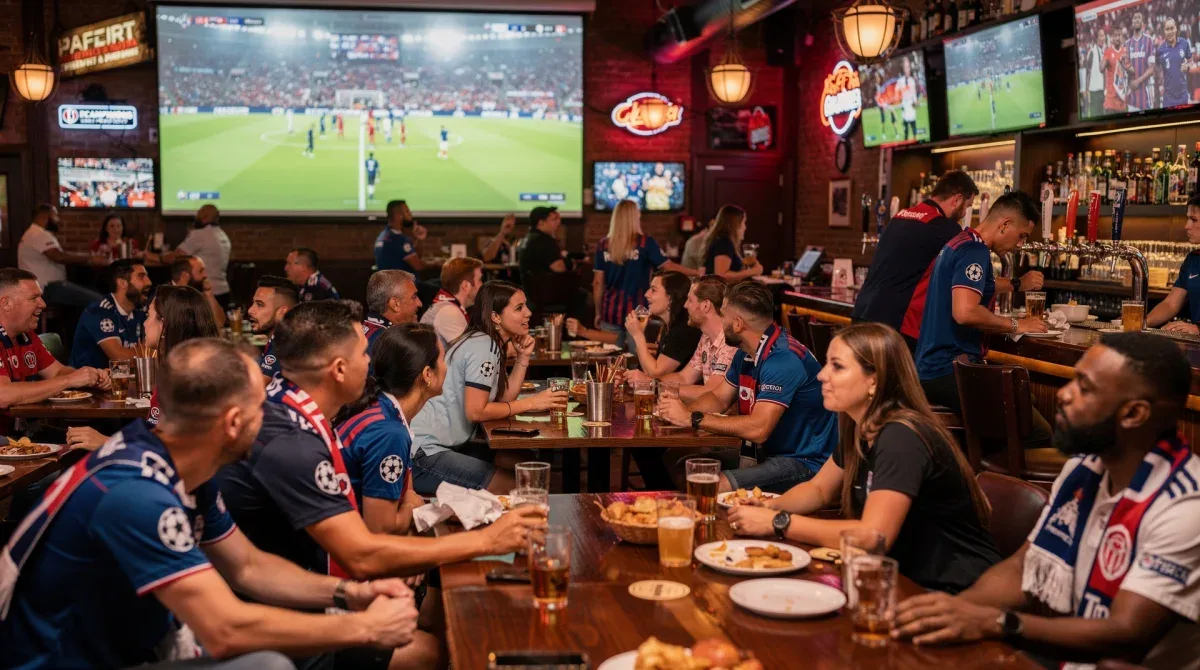
- Watch Parties and Fan Zones: Creating communal viewing experiences across US cities.
- Behind-the-Scenes Content: Offering exclusive access to teams and players to build connection.
Another effective strategy is to create compelling content that explains the nuances of the Swiss model in an accessible way. Educational segments during broadcasts, online explainers, and articles that break down the format's complexities can help new and existing fans grasp the rules and appreciate the strategic depth of the competition. Simplifying the understanding of the new system is crucial for broad appeal.
Furthermore, promoting the diverse cultural narratives within the Champions League – the rivalries, the cities, the different playing styles – can appeal to a wider audience beyond hardcore football enthusiasts. Highlighting human interest stories and the passion of European football can draw in viewers who appreciate compelling narratives, regardless of their prior familiarity with the sport. These multifaceted engagement strategies will be vital in translating the Swiss model's potential into tangible growth in US viewership.
Challenges and Opportunities for Growth
The introduction of the UEFA Champions League Swiss model presents a complex landscape of both significant challenges and unparalleled opportunities for growth in the US market. Navigating this new terrain effectively will determine the extent of its success in capturing and expanding American viewership. Understanding these dynamics is crucial for all stakeholders involved, from UEFA to broadcasters and local fan groups.
One of the primary challenges is the crowded US sports market. American audiences have a deep loyalty to domestic leagues, and the Champions League must compete for attention against established giants like the NFL, NBA, and MLB, as well as the rapidly growing MLS. The expanded Champions League schedule, while offering more content, also increases the potential for direct scheduling conflicts, making strategic timing and promotion more critical than ever.
Overcoming Market Saturation
Another hurdle is the inherent complexity of the Swiss model itself. While designed to enhance competition, its initial explanation can be daunting for casual fans who are accustomed to simpler group stage formats. Clear and consistent communication, along with accessible educational content, will be vital in demystifying the new structure and ensuring that fans understand how the competition works.
- Competition from US Sports: Navigating a crowded sports calendar for viewership.
- Complexity of New Format: Educating casual fans on the Swiss model's rules.
- Time Zone Differences: Adapting match schedules to maximize live US viewership.
- Maintaining Fan Interest: Sustaining engagement over an extended league phase.
However, these challenges are balanced by substantial opportunities. The increased number of matches means more content to broadcast and promote, potentially leading to higher advertising revenues and subscription numbers. The single league table and increased competitive intensity can foster more compelling storylines and dramatic moments, which are highly valued by American sports fans.
The growth of soccer's popularity in the US, fueled by the success of the MLS and the upcoming 2026 FIFA World Cup, provides a fertile ground for the Champions League to expand its reach. By strategically aligning with this growing interest, embracing digital innovation, and continuously adapting its engagement strategies, the Swiss model has the potential to significantly deepen the Champions League's roots in the American sports consciousness, turning challenges into stepping stones for unprecedented growth.
Long-Term Projections for US Viewership
Projecting the long-term impact of the UEFA Champions League's 36-team Swiss model on US viewership requires a careful consideration of various trends and factors. While immediate shifts might be incremental, the structural changes are designed to foster sustained growth and deeper engagement over several seasons. The goal is not just to attract new viewers but to cultivate a loyal and expanding fanbase.
One key projection is a gradual increase in overall viewership, driven by the expanded match calendar and the enhanced competitive drama. More matches mean more opportunities for fans to tune in, and the prolonged league phase ensures that the competition remains relevant for a longer portion of the season. This consistent presence on the sports calendar is likely to lead to a slow but steady upward trend in audience numbers.
Demographic Shifts and Fan Loyalty
The demographic landscape of US soccer fans is also evolving. Younger generations are increasingly global in their sports consumption, and European football holds significant appeal. The Swiss model, with its emphasis on diverse matchups and continuous storylines, is well-positioned to capture the attention of these younger viewers who are accustomed to dynamic, data-rich sports experiences.
- Sustained Growth: Gradual increase in viewership over multiple seasons.
- Youth Engagement: Attracting younger, globally-minded sports fans.
- Increased Casual Viewership: More compelling narratives drawing in non-hardcore fans.
- Enhanced Brand Recognition: Deeper entrenchment of UCL as a premier global sports property.
Furthermore, the increased stakes of every game are expected to convert more casual viewers into dedicated followers. As teams battle for every point in the single league table, the emotional investment from fans will deepen. This shift from passive observation to active engagement is crucial for building long-term loyalty and fostering a vibrant fan culture around the Champions League in the US.
The confluence of a growing soccer market in the US, strategic broadcasting, and an inherently more dramatic competition format suggests a positive long-term trajectory for Champions League viewership. While challenges like market saturation and time zone differences will persist, the opportunities presented by the Swiss model, coupled with proactive engagement strategies, position the UEFA Champions League for continued and significant growth in the American sports landscape for years to come.
| Key Aspect | Impact on US Viewership |
|---|---|
| Swiss Model Format | More competitive matches from the start, increasing overall engagement. |
| Expanded Schedule | More matchdays and games, offering consistent content but also scheduling challenges. |
| Increased Stakes | Every game matters more, aligning with US sports fans' preference for high-drama. |
| US Market Accessibility | Broadcast partnerships and digital strategies are key to reaching a broader audience. |
Frequently Asked Questions About the UCL Swiss Model and US Viewership
What is the core change in the UEFA Champions League Swiss model?▼The core change is the replacement of the traditional group stage with a single 36-team league phase. Each team plays eight matches against different opponents, with standings determining qualification for the knockout rounds. This aims for more competitive balance and drama throughout the initial stages of the tournament.
How will the expanded schedule affect US viewers?▼The expanded schedule means more midweek matches and an extended league phase. While offering more content, it could also lead to increased scheduling conflicts with major US sports. Broadcasters will need to optimize match times and platforms to maintain accessibility and engagement for American fans.
Why is the Swiss model expected to increase stakes in every match?▼Under the single league table, every match contributes to a team's overall ranking. Points gained or lost directly impact qualification for the top eight or securing a playoff spot. This ensures continuous competitive intensity, making every game meaningful and enhancing the overall drama for viewers.
What role do broadcast rights play in US viewership growth?▼Broadcast rights are critical for accessibility. Strategic partnerships with major US networks and streaming platforms ensure matches are widely available. Effective promotion, tailored commentary, and multi-platform access are essential for reaching a broad American audience and converting casual viewers into dedicated fans of the competition.
What are the biggest challenges for the UCL Swiss model in the US market?▼Key challenges include competing with a crowded US sports calendar, simplifying the new format for casual fans, and managing time zone differences for live viewership. Overcoming these requires innovative scheduling, clear communication, and robust digital engagement strategies to capture and retain American interest effectively.
Conclusion
The UEFA Champions League's transition to the 36-team Swiss model represents a bold strategic move designed to reinvigorate Europe's premier club competition. For US viewership, this evolution promises a more consistently engaging and dramatic tournament, with every match carrying significant weight within a unified league structure. While challenges such as market saturation and time zone differences persist, the expanded schedule, increased stakes, and strategic broadcast partnerships lay a strong foundation for sustained growth. By embracing innovative engagement strategies and clearly communicating the format's benefits, the Champions League is poised to further solidify its position in the American sports landscape, captivating a new generation of soccer fans and deepening the passion for European football across the United States.
