Valve's 2026 Major Rules: Impact on Tier-2 Esports Teams
Valve's 2026 Major Circuit rules introduce significant changes for tier-2 esports teams, mandating new eligibility criteria, financial structures, and competitive pathways to foster a more sustainable and equitable ecosystem.
The landscape of competitive esports is always evolving, and with Valve's latest announcements, the future promises substantial shifts. Specifically, Inside the New Valve Tournament Rules: What the 2026 Major Circuit Mandates Mean for Tier-2 Teams is a critical discussion point, as these regulations are poised to redefine pathways to professionalism and sustainability for aspiring rosters.
Understanding the 2026 Valve Major Circuit Overhaul
Valve's decision to implement sweeping changes for the 2026 Major Circuit has sent ripples throughout the esports community, particularly impacting organizations operating just below the elite tier. These new mandates aim to standardize competitive play, enhance player welfare, and create a more transparent ecosystem. The overhaul isn't merely cosmetic; it delves into the core mechanics of how teams qualify, compete, and sustain themselves within the Valve-sanctioned circuit.
Historically, the path to a Major for tier-2 teams could be convoluted, often relying on a mix of regional qualifiers, third-party tournaments, and direct invitations that sometimes lacked clear criteria. The 2026 rules seek to streamline this, introducing a more structured progression system designed to reward consistent performance and investment in player development. This shift is intended to foster a healthier environment where talent can genuinely flourish without constant financial precarity.
Key regulatory changes for 2026
- Standardized Regional Leagues: A unified structure for regional competitions will provide consistent opportunities for tier-2 teams to earn circuit points.
- Minimum Player Salary Mandates: New rules will require participating organizations to adhere to minimum salary requirements, ensuring a basic level of financial security for professional players.
- Enhanced Anti-Cheat Measures: Valve is doubling down on competitive integrity with advanced anti-cheat technologies and stricter penalties for infractions.
The implications of these rules are far-reaching. For tier-2 teams, it presents both a challenge and an opportunity. While the bar for entry and sustained participation might be raised, the potential for a more stable and rewarding career path becomes clearer. The emphasis on regional performance also means that local scenes will gain increased prominence, potentially leading to a stronger grassroots foundation for the entire ecosystem. This strategic move by Valve is a long-term investment in the health and longevity of its esports titles, aiming to prevent the burnout and instability that have plagued many professional players and organizations in the past.
The new qualification pathways for tier-2 teams
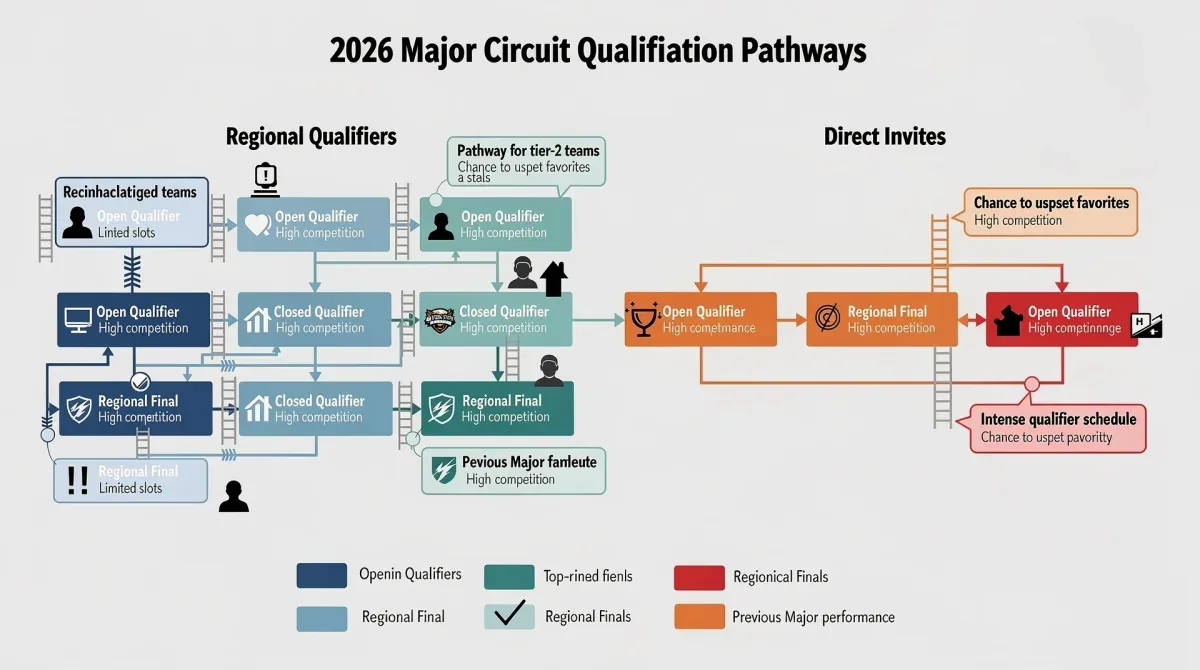
One of the most significant aspects of the 2026 Valve Major Circuit rules is the restructuring of qualification pathways, particularly for tier-2 teams. The days of ad-hoc invites and inconsistent regional qualifiers are largely behind us, replaced by a more meritocratic and transparent system. This new framework emphasizes consistent performance within dedicated regional leagues and a clear progression through various stages of competition.
Teams will now primarily earn their Major slots through a combination of performance in Valve-sanctioned regional leagues and a series of open and closed qualifiers that feed into these leagues. The idea is to create a clear ladder, allowing teams to climb based on their skill and dedication, rather than relying on external factors or sporadic opportunities. This structured approach is designed to reduce ambiguity and provide a predictable schedule for teams to plan their seasons.
Regional league integration and progression
The regional leagues will serve as the backbone of the qualification system. Each region will have a set number of slots for the Major, which will be distributed based on league standings. This means that consistent top-tier performance within a regional league will be paramount for any tier-2 team aspiring to reach the Major. The leagues themselves are expected to be more competitive, as more is at stake with direct Major implications.
- Open Qualifiers: The initial entry point for new and aspiring teams, providing a chance to prove themselves and gain entry into the regional league system.
- Closed Qualifiers: For teams that have shown promise in open qualifiers or possess a certain ranking, offering a more direct route to securing a spot in the regional leagues.
- League Play: Extended seasons of round-robin or similar format play within each region, where teams accumulate points towards Major qualification.
This emphasis on regional league play means that organizations must invest more heavily in their local infrastructure and talent development. The new rules encourage a sustainable model where teams are not just scrambling for one-off tournament wins but are building long-term rosters capable of sustained success. The objective is to cultivate a robust tier-2 scene that can consistently feed talent into the Major circuit, ensuring a fresh influx of competitive teams and preventing stagnation at the top level.
Financial implications and sustainability for tier-2 organizations
The financial landscape for tier-2 esports organizations has always been challenging, marked by fluctuating prize pools, inconsistent sponsorship opportunities, and the constant pressure to retain talent. Valve's 2026 Major Circuit mandates attempt to address some of these systemic issues by introducing measures aimed at improving financial stability and promoting long-term sustainability for these teams. The core idea is to create a more predictable revenue stream and reduce the reliance on speculative investments.
One of the most impactful changes is the introduction of minimum player salaries. While the exact figures will vary by region and game title, the principle is clear: organizations participating in Valve-sanctioned events must guarantee a baseline income for their players. This not only protects players from exploitation but also forces organizations to operate with a more professional and responsible financial model. This move is a direct response to past controversies surrounding unpaid wages and unstable team environments.

Revenue sharing and prize pool distribution
The new rules also include provisions for revenue sharing from Major-related events and a more transparent distribution of prize pools. A portion of the proceeds from in-game cosmetics, viewership incentives, and other revenue streams will be allocated to participating teams, including those in tier-2 leagues. This provides a consistent, albeit smaller, income stream that can help cover operational costs and investment in infrastructure.
- Guaranteed Minimum Prize Pools: Valve will establish minimum prize pools for regional leagues and Major qualifiers, ensuring that even teams that don't reach the main event still receive a meaningful financial reward for their efforts.
- Sponsorship Incentives: The increased visibility and stability of the regional leagues are expected to attract more sponsors, providing additional revenue opportunities for tier-2 teams.
- Player Contract Standardization: Alongside minimum salaries, Valve is pushing for standardized player contracts to ensure fair terms and conditions, protecting both players and organizations.
While these financial mandates will undoubtedly increase the operational costs for some tier-2 organizations, they also offer a framework for greater stability and growth. Teams that can adapt to these new requirements and build robust business models around them are likely to thrive. The ultimate goal is to professionalize the entire esports ecosystem, making a career in competitive gaming a more viable and attractive option for a wider range of talented individuals.
Player welfare and development initiatives
Beyond the financial aspects, Valve's 2026 Major Circuit rules place a significant emphasis on player welfare and long-term development. Recognizing the intense pressures and often short career spans in esports, the new mandates introduce initiatives designed to protect players' physical and mental health, while also providing pathways for skill enhancement and personal growth. This holistic approach aims to cultivate a generation of esports professionals who are not only skilled but also resilient and well-supported.
The most direct measure is the aforementioned minimum salary requirement, which alleviates some of the financial stress that can lead to burnout. However, Valve is also pushing for broader organizational responsibilities. Teams will be encouraged, and in some cases mandated, to provide access to mental health resources, physical training programs, and educational support. This recognizes that esports players are athletes who require comprehensive care to perform at their peak and maintain their well-being.
Beyond the game: education and career longevity
One innovative aspect of the new rules is the focus on player development beyond just in-game skills. Valve is encouraging organizations to invest in their players' education and offer career guidance for life after competitive play. This could include partnerships with educational institutions or mentorship programs designed to equip players with transferable skills.
- Mental Health Support: Access to professional counseling and stress management resources will be a key component, addressing the high-pressure environment of professional gaming.
- Physical Health Programs: Guidelines for regular exercise, proper nutrition, and ergonomic setups to combat the sedentary nature of esports and prevent injuries.
- Educational Opportunities: Encouragement for teams to support players in pursuing academic studies or vocational training alongside their competitive careers.
These initiatives are crucial for building a sustainable professional environment. By investing in player welfare, Valve aims to extend career longevity, reduce player turnover, and create a more attractive and ethical industry. For tier-2 teams, this means a greater responsibility to care for their players, but also the benefit of retaining healthier, more motivated, and loyal rosters. It signals a maturation of the esports industry, moving beyond a sole focus on competition to embrace broader human development.
Challenges and opportunities for tier-2 teams
The implementation of Valve's 2026 Major Circuit rules presents a dual-edged sword for tier-2 esports teams. While the mandates introduce a more structured and potentially sustainable ecosystem, they also bring a new set of challenges that organizations must navigate carefully. Understanding both the hurdles and the advantages is crucial for teams aspiring to climb the competitive ladder.
On the challenge front, the increased financial obligations, such as minimum player salaries, could strain smaller organizations with limited budgets. Teams will need to secure more stable funding through sponsorships or investors to meet these new requirements. Furthermore, the intensified competition within standardized regional leagues means that securing a Major slot will be harder than ever, requiring consistent, top-tier performance over extended periods.
Navigating the new competitive landscape
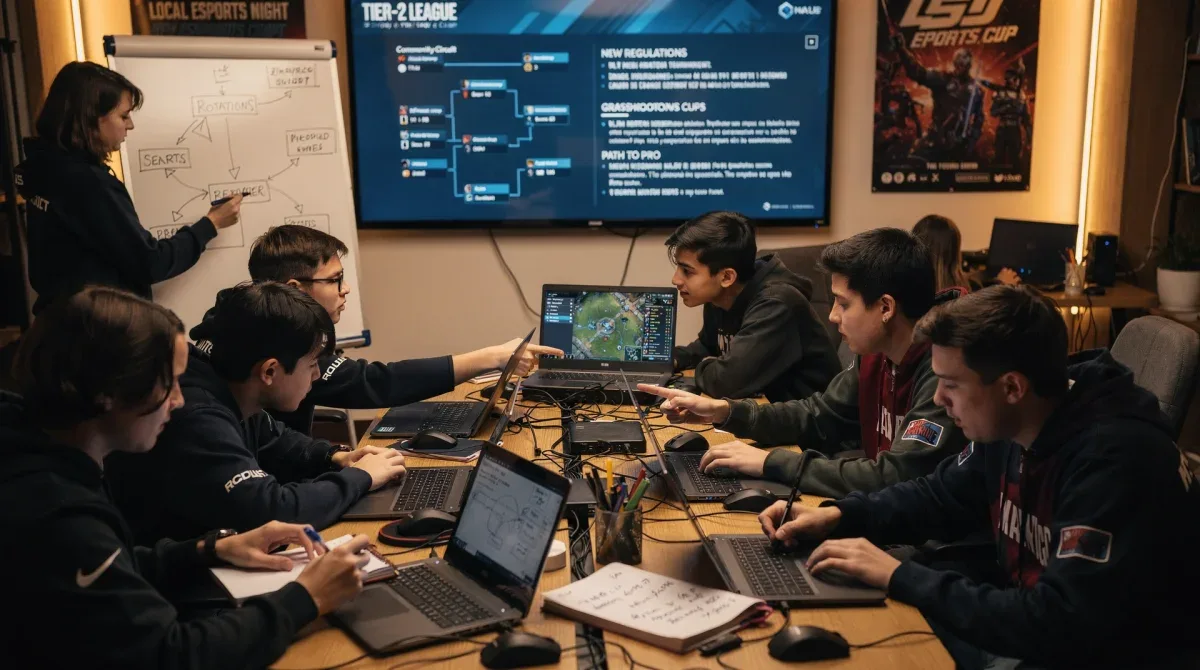
The opportunities, however, are equally compelling. The clearer qualification pathways and standardized league structures provide a predictable roadmap for growth. Teams that can consistently perform well in their regional leagues will gain significant visibility and a legitimate shot at the Major. The increased focus on player welfare and development also means that organizations can attract and retain talent more effectively, building stronger, more cohesive rosters.
The professionalization of the tier-2 scene through these rules can also lead to greater fan engagement and media coverage. As the regional leagues become more established and competitive, they are likely to draw larger audiences, creating more marketing opportunities for teams and their sponsors. This virtuous cycle can significantly boost the overall appeal and viability of the tier-2 circuit, fostering a vibrant and dynamic competitive environment. Teams that embrace these changes and adapt quickly will be well-positioned for long-term success.
Community reaction and future outlook
The announcement of Valve's 2026 Major Circuit mandates has sparked widespread discussion across the esports community, with reactions ranging from cautious optimism to outright concern. Players, team owners, tournament organizers, and fans are all grappling with the potential ramifications of these significant changes. The general sentiment, however, leans towards acknowledging the necessity of such reforms, even if the specifics still require fine-tuning.
Many players and talent representatives have welcomed the minimum salary requirements and enhanced welfare initiatives, viewing them as crucial steps towards professionalizing the industry and protecting athletes. For years, the lack of financial security and support has been a major point of contention, leading to player burnout and short careers. The community broadly agrees that a more stable environment is essential for the longevity of esports.
The path forward for Valve esports
Team owners, particularly those of smaller tier-2 organizations, are evaluating the financial implications. While the long-term benefits of a more structured ecosystem are recognized, the immediate challenge of meeting new operational costs is a significant concern. Many hope that Valve will provide additional support or incentives to help teams transition smoothly into the new framework.
- Increased Transparency: The community expects greater transparency from Valve regarding the implementation and enforcement of these new rules.
- Adaptation Period: There's a call for a reasonable adaptation period for teams to adjust their operations and secure necessary funding.
- Continuous Feedback Loop: Players and organizations hope for an ongoing dialogue with Valve to address unforeseen issues and refine the rules as the 2026 season approaches.
Looking ahead, the success of these mandates will depend heavily on their execution and Valve's willingness to adapt based on community feedback. If implemented effectively, the 2026 Major Circuit rules have the potential to usher in a new era of stability and growth for Valve's esports titles, particularly for the crucial tier-2 ecosystem. A stronger tier-2 scene ultimately benefits the entire competitive landscape, ensuring a continuous supply of talent and compelling storylines for fans worldwide.
| Key Point | Brief Description |
|---|---|
| Qualification Overhaul | New structured regional leagues and clear progression paths replace ad-hoc invites, emphasizing consistent performance. |
| Financial Stability | Mandatory minimum player salaries and revenue sharing aim to professionalize tier-2 teams' financial models. |
| Player Welfare | Initiatives for mental and physical health support, alongside educational opportunities, prioritize player well-being. |
| Tier-2 Opportunities | Clearer growth roadmap, increased visibility, and talent retention benefits for adapting tier-2 organizations. |
Frequently asked questions about Valve's 2026 Major Rules
What are the primary goals of Valve's 2026 Major Circuit rules for tier-2 teams?▼The main goals are to foster a more sustainable and equitable competitive ecosystem, professionalize the tier-2 scene, enhance player welfare through minimum salaries and support, and standardize qualification pathways to the Major Circuit, ensuring merit-based progression for aspiring teams.
How will tier-2 teams qualify for the Major Circuit under the new rules?▼Qualification will primarily occur through performance in Valve-sanctioned regional leagues. Teams will progress through open and closed qualifiers to enter these leagues, earning Major slots based on their consistent standings and accumulated points throughout the competitive season.
What financial changes will tier-2 organizations face with these new mandates?▼Tier-2 organizations must adhere to minimum player salary mandates, increasing operational costs but providing player security. Additionally, new revenue sharing models from Major-related events and guaranteed minimum prize pools aim to create more stable and predictable income streams for teams.
How do the 2026 rules address player welfare and development?▼The rules emphasize player welfare through mandated minimum salaries and encourage access to mental health support, physical training programs, and educational opportunities. This holistic approach aims to extend player career longevity and ensure overall well-being in the demanding esports environment.
What are the biggest challenges for tier-2 teams adapting to these new rules?▼Key challenges include meeting increased financial obligations like minimum salaries, navigating intensified competition within regional leagues, and securing stable long-term funding. Teams must adapt their business models and recruitment strategies to thrive under the new, more structured competitive framework.
Conclusion
Valve's 2026 Major Circuit mandates mark a pivotal moment for esports, particularly for the vital tier-2 ecosystem. By introducing standardized qualification paths, financial safeguards, and comprehensive player welfare initiatives, Valve is striving to build a more professional, sustainable, and equitable competitive landscape. While these changes present significant challenges for many organizations, they also unlock unprecedented opportunities for growth, stability, and the long-term health of the industry. The success of these reforms hinges on careful implementation and a continued dialogue with the community, ultimately promising a brighter, more structured future for aspiring esports professionals.
