2026 CONCACAF Champions Cup: Qualification Guide
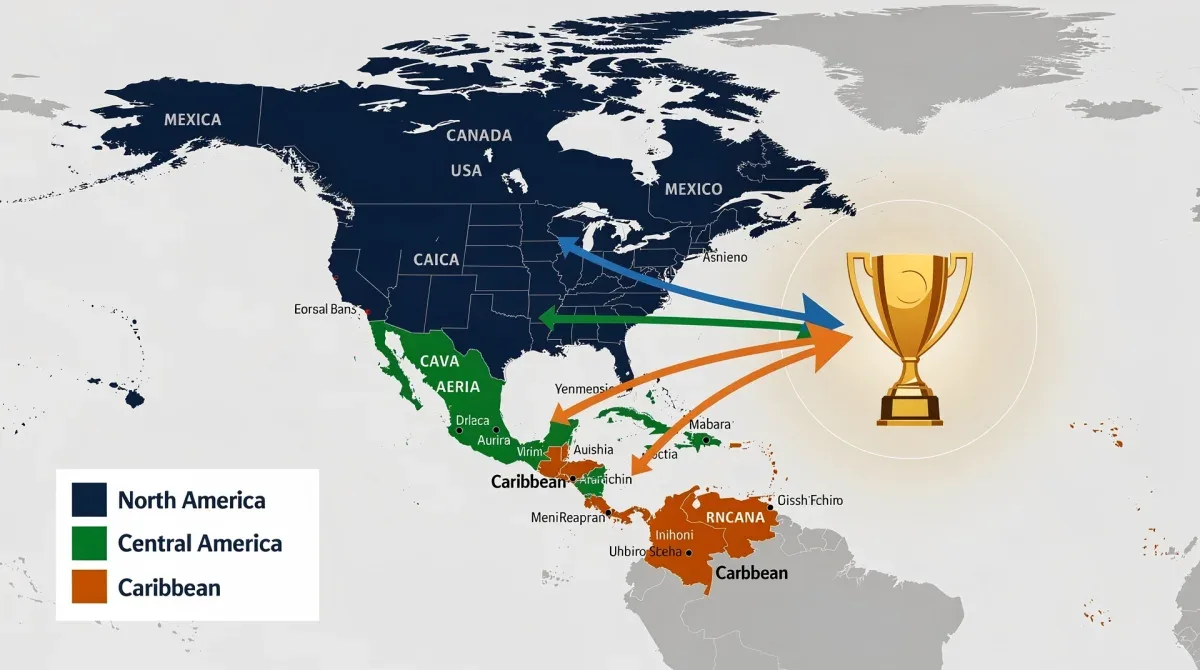
The 2026 CONCACAF Champions Cup qualification involves a complex system where 27 clubs from North, Central America, and the Caribbean secure berths through various domestic and regional competitions.
Welcome to the definitive Guide to the 2026 CONCACAF Champions Cup: Qualification Pathways for 27 Participating Clubs. As anticipation builds for one of the most prestigious club tournaments in North, Central America, and the Caribbean, understanding how teams earn their spot is crucial for every football enthusiast. This guide breaks down the intricate qualification process, ensuring you're fully informed about the road to continental glory.
Understanding the CONCACAF Champions Cup Format
The CONCACAF Champions Cup stands as the premier club competition in the region, bringing together top teams from various leagues. For the 2026 edition, an expanded format will feature 27 clubs, creating more opportunities for teams across North, Central America, and the Caribbean to compete at the highest level. This expansion not only increases the number of participants but also diversifies the qualification routes, making the tournament more inclusive and exciting.
The competition structure typically involves a preliminary round, followed by a knockout bracket culminating in a grand final. The ultimate prize is not only the coveted trophy but also a direct berth into the FIFA Club World Cup, elevating the stakes considerably for all contenders. Understanding this format is key to appreciating the intensity and importance of every match.
Expanded Tournament Structure
- Total Clubs: 27 teams will compete in the 2026 edition.
- Knockout Format: The tournament largely operates on a direct elimination basis.
- FIFA Club World Cup Berth: The champion secures a spot in the global club competition.

The journey through the CONCACAF Champions Cup is a test of endurance, tactical prowess, and mental fortitude. Each match presents a unique challenge, from navigating diverse playing styles to adapting to different climates and travel demands. The expanded format means more teams will experience this demanding but rewarding path, fostering greater competition and raising the overall standard of play across the region.
In conclusion, the 2026 CONCACAF Champions Cup is set to be a landmark event with its expanded format. This structure provides a clearer pathway for more clubs to showcase their talent on an international stage, ultimately enhancing the competitive landscape of football in the CONCACAF region.
North American Qualification Pathways (MLS, Liga MX, CPL)
North American clubs dominate a significant portion of the 2026 CONCACAF Champions Cup berths, primarily through Major League Soccer (MLS), Liga MX, and the Canadian Premier League (CPL). These leagues represent some of the strongest footballing nations within CONCACAF, and their qualification systems are robust, rewarding consistent performance and championship success.
For MLS, qualification is multifaceted, recognizing both regular season excellence and playoff triumph. Similarly, Liga MX offers pathways through its Apertura and Clausura championships, ensuring that the best teams from both halves of their season get a chance at continental glory. The CPL, while a newer league, also provides a direct route for its champions, underscoring its growing importance in the regional football landscape.
MLS Qualification Criteria
- MLS Cup Winner: The champion automatically qualifies.
- Supporters' Shield Winner: The team with the best regular season record secures a spot.
- Conference Finalists: Often, the losing finalists of each conference also qualify.
- Additional berths: Based on regular season standings for top-ranked teams not already qualified.
Liga MX's structure provides a competitive pathway. The champions of both the Apertura and Clausura tournaments automatically secure a place. Should a team win both, or if a team qualifies through another CONCACAF competition, the next highest-ranked team in the aggregate table often inherits the spot. This system ensures that consistency over the entire year is rewarded, pushing clubs to maintain high performance levels throughout their domestic campaigns.
The Canadian Premier League's involvement highlights the growth of football in Canada. The CPL champion typically earns a direct berth, providing a clear incentive for teams to vie for the domestic title. This inclusion is vital for the development of Canadian football, offering its clubs exposure to higher-level competition and fostering national pride.
In essence, North American qualification for the 2026 CONCACAF Champions Cup is a dynamic system that rewards both sustained excellence in league play and the ability to perform under pressure in championship finals. These pathways ensure that the most deserving teams from these competitive leagues represent their nations on the continental stage.
Central American Qualification Routes (Copa Centroamericana)
Central American clubs earn their spots in the 2026 CONCACAF Champions Cup primarily through the CONCACAF Central American Cup, an exciting regional tournament designed specifically for teams from this sub-confederation. This competition serves as a direct pipeline, ensuring that the strongest and most competitive clubs from Central America have a clear path to the main Champions Cup event.
The Central American Cup typically involves group stages followed by knockout rounds, with a certain number of top finishers securing berths in the Champions Cup. This format fosters intense regional rivalries and provides a platform for clubs from countries like Costa Rica, Honduras, Guatemala, and Panama to test their mettle against their neighbors. The stakes are incredibly high, as success in this tournament is the only way for many of these clubs to reach the continental stage.
Copa Centroamericana's Impact
- Primary Pathway: The most direct route for Central American clubs.
- Regional Showdown: Features top teams from seven Central American nations.
- Multiple Berths: Typically awards several qualification spots to the Champions Cup.
The structure of the Central American Cup is designed to identify the top performers efficiently. Teams are grouped, playing a series of matches before advancing to elimination rounds. The semi-finalists and potentially other high-ranking teams from the tournament often secure berths. This ensures that only clubs demonstrating consistent quality and resilience throughout a demanding schedule move forward to the Champions Cup.
The importance of the Central American Cup cannot be overstated for its participating nations. It provides crucial international experience, enhances club profiles, and offers a tangible goal beyond domestic league success. For many players, it's an opportunity to showcase their talent on a broader stage, potentially attracting interest from larger clubs.
In summary, the CONCACAF Central American Cup is the cornerstone of qualification for Central American clubs eyeing the 2026 CONCACAF Champions Cup. It’s a fiercely contested tournament that guarantees the best regional representatives earn their rightful place among the continental elite.
Caribbean Qualification Routes (Copa Caribeña)
For clubs in the Caribbean, the road to the 2026 CONCACAF Champions Cup runs through the CONCACAF Caribbean Cup. This competition serves as the dedicated qualification tournament for teams hailing from the diverse island nations of the Caribbean Football Union (CFU). It provides a structured and competitive environment for these clubs to battle for a limited number of coveted spots in the main Champions Cup event.
The Caribbean Cup typically features champions and top finishers from various domestic leagues across the Caribbean, bringing together a vibrant mix of footballing styles and traditions. Similar to its Central American counterpart, the tournament usually involves group stages and knockout rounds, culminating in several teams earning qualification. This pathway is crucial for the development of football in the Caribbean, offering clubs a chance to compete at a higher regional level and gain international exposure.
Key Aspects of the Caribbean Cup
- Exclusive Pathway: The sole direct qualification route for Caribbean clubs.
- Diverse Representation: Teams from numerous island nations participate.
- Champions Cup Berths: Awards multiple spots, typically to the finalists and possibly third-place finishers.
The format of the Caribbean Cup is designed to be inclusive while maintaining a high level of competition. Teams often qualify for the Caribbean Cup based on their performance in their respective national leagues, such as winning the league title or finishing as a top contender. This ensures that the strongest domestic teams get the opportunity to represent their country on the regional stage.
Participating in the Caribbean Cup brings significant benefits, including increased visibility for players and clubs, enhanced competitive experience, and the potential for financial incentives. For many Caribbean nations, this tournament is a highlight of their football calendar, fostering national pride and offering a dream of continental glory.
In conclusion, the CONCACAF Caribbean Cup is indispensable for Caribbean clubs aspiring to play in the 2026 CONCACAF Champions Cup. It provides a clear, competitive, and exciting pathway, ensuring that the best teams from the region have the opportunity to shine on the continental stage.
Direct Qualification and Byes for Top Performers
Beyond the primary qualification tournaments, certain clubs can secure direct berths or receive byes into later stages of the 2026 CONCACAF Champions Cup, typically reserved for the most elite performers in the region. This system rewards sustained excellence and provides an advantage to teams that have consistently demonstrated their dominance, often through winning previous CONCACAF competitions or holding top rankings.
The reigning CONCACAF Champions Cup winner, for instance, often receives an automatic spot in the subsequent edition, sometimes even a bye directly into the Round of 16 or quarterfinals. This not only acknowledges their achievement but also provides a strong incentive for teams to aim for the ultimate prize. Additionally, winners of other significant regional tournaments, like the Leagues Cup (involving MLS and Liga MX teams), frequently earn direct entry.
Automatic Qualification Criteria
- Reigning Champions Cup Winner: Automatically qualifies and often receives a bye.
- Leagues Cup Winner: The champion of this cross-league tournament secures a direct berth.
- Highest-Ranked Teams: Based on CONCACAF club rankings, some top teams might get direct spots.
The Leagues Cup, a tournament featuring clubs from MLS and Liga MX, has emerged as a crucial direct qualification pathway. Its winner not only claims a prestigious trophy but also secures a coveted spot in the Champions Cup, often with a bye to a later stage. This competition intensifies the rivalry between the two strongest leagues in North America and offers another high-stakes avenue for continental qualification.
Furthermore, CONCACAF's club ranking system can play a role. While not always a direct qualification method, consistently high-ranked teams might be considered for additional berths or preferential seeding, especially if other qualification spots are vacated. This emphasizes the importance of consistent performance over multiple seasons, not just in a single campaign.
In essence, the system of direct qualification and byes for the 2026 CONCACAF Champions Cup is designed to honor and reward the region's top clubs. It ensures that excellence is recognized and provides a clear advantage to those who have already proven their mettle on the continental stage, adding another layer of intrigue to the tournament's qualification landscape.
Key Dates and Milestones on the Road to 2026
For fans and clubs alike, keeping track of key dates and milestones is essential for understanding the progression towards the 2026 CONCACAF Champions Cup. The qualification cycle is a year-long process, with various domestic and regional competitions unfolding throughout 2025 that will determine the 27 participating clubs. Missing these crucial deadlines and tournament windows can mean missing out on the continental dream.
While specific dates are subject to official announcements from CONCACAF and individual leagues, a general timeline can be established. Domestic league seasons typically run from early spring to late fall or across calendar years, with their champions and top finishers being determined at various points. Regional tournaments like the Central American Cup and Caribbean Cup usually take place during the latter half of the year, consolidating the qualified teams.
Anticipated Timeline Highlights
- Early 2025: Start of domestic league seasons in many CONCACAF nations.
- Mid-2025: Leagues Cup (MLS vs. Liga MX) competition typically takes place.
- Late 2025: CONCACAF Central American Cup and Caribbean Cup conclude, determining regional qualifiers.
- Late 2025/Early 2026: Final qualification confirmations and tournament draw.
The Leagues Cup, a prominent mid-year tournament, usually serves as one of the first major opportunities for clubs to secure a direct spot in the Champions Cup. Its conclusion often signals the start of the final push in other domestic and regional competitions, as teams vie for the remaining berths. The intensity of these matches is heightened by the knowledge that a Champions Cup spot is on the line.
As the year progresses, the focus shifts to the Central American and Caribbean Cups. These tournaments are critical for their respective regions, providing the main avenues for qualification. Their outcomes in late 2025 will finalize a significant portion of the 27-team field. Clubs will be meticulously planning their campaigns to peak during these crucial periods.
Ultimately, the culmination of all these events in late 2025 or early 2026 will lead to the official draw for the 2026 CONCACAF Champions Cup. This moment is highly anticipated, as clubs and fans discover their opponents and map out their potential paths to glory. Staying informed about these milestones is key to following the exciting journey to the Champions Cup.
The Importance of Club Ranking and Performance
Beyond direct qualification through tournament victories, club ranking and consistent performance play an increasingly vital role in the overall CONCACAF Champions Cup landscape. While not always a primary pathway, a strong club ranking can influence seeding, provide additional berths in certain scenarios, and reflect a club's sustained excellence on both domestic and continental fronts. CONCACAF utilizes a coefficient system that evaluates teams based on their results in various competitions over a set period.
This ranking system encourages clubs to perform well not just in their championship campaigns but consistently throughout their league seasons and any regional tournaments they participate in. A higher ranking can lead to more favorable draws, potentially avoiding stronger opponents in early rounds, which can be a significant advantage in a knockout competition. It also signifies a club's overall strength and stability within the confederation.
Benefits of a High CONCACAF Ranking
- Improved Seeding: Higher-ranked teams often receive better seeding in tournament draws.
- Potential Additional Berths: In some cases, top-ranked teams not otherwise qualified might earn a spot.
- Recognition of Consistency: Rewards clubs for sustained performance over several seasons.
Consistent performance in domestic leagues is the foundation of a strong CONCACAF ranking. Clubs that regularly finish at the top of their tables, reach playoff finals, or win domestic cups accumulate valuable points. This domestic success then translates into a better standing within the confederation, enhancing their profile and potential opportunities for continental play.
Participation and strong showings in previous CONCACAF competitions, such as the Champions Cup itself, the Central American Cup, or the Caribbean Cup, are also critical for accumulating ranking points. Deep runs in these tournaments significantly boost a club's coefficient, reinforcing their position among the region's elite. Even if a club doesn't win a particular tournament, a good performance can still be beneficial for their long-term ranking.
In conclusion, while winning specific tournaments remains the most direct route, the importance of club ranking and consistent performance in the CONCACAF Champions Cup cannot be overlooked. It's a testament to a club's enduring quality and can provide strategic advantages, making it a crucial element in the complex tapestry of qualification for the 2026 tournament.
| Qualification Pathway | Description |
|---|---|
| North America (MLS/Liga MX) | Winners of MLS Cup, Supporters' Shield, Liga MX Apertura/Clausura, and Leagues Cup secure berths. |
| Central America (Copa Centroamericana) | Top finishers from the CONCACAF Central American Cup earn qualification spots. |
| Caribbean (Copa Caribeña) | Successful clubs in the CONCACAF Caribbean Cup secure their places. |
| Direct/Byes | Reigning Champions Cup winner and Leagues Cup champion often receive direct entry or byes. |
Frequently Asked Questions about 2026 CONCACAF Champions Cup Qualification
How many teams qualify for the 2026 CONCACAF Champions Cup?▼A total of 27 clubs will participate in the 2026 CONCACAF Champions Cup. This expanded format provides more opportunities for teams from across North, Central America, and the Caribbean to compete for the prestigious continental title and a spot in the FIFA Club World Cup.
What are the main qualification routes for MLS clubs?▼MLS clubs primarily qualify through winning the MLS Cup, the Supporters' Shield, or being a conference finalist. Additionally, the winner of the Leagues Cup, which pits MLS teams against Liga MX teams, secures a direct berth into the CONCACAF Champions Cup.
How do Central American teams qualify for the Champions Cup?▼Central American teams qualify for the CONCACAF Champions Cup through their performance in the CONCACAF Central American Cup. The top finishers in this regional tournament, typically the semi-finalists and potentially other high-ranked teams, earn berths to the main continental competition.
Is there a direct qualification spot for the previous Champions Cup winner?▼Yes, the reigning CONCACAF Champions Cup winner typically receives an automatic spot in the subsequent edition of the tournament. This often includes a bye into a later stage, such as the Round of 16 or quarterfinals, rewarding their previous triumph.
What role do club rankings play in qualification?▼While not a direct qualification route for most, CONCACAF club rankings can influence seeding in the tournament draw, potentially offering a more favorable path. High rankings reflect consistent performance in domestic and regional competitions, acknowledging a club's sustained excellence.
Conclusion
The 2026 CONCACAF Champions Cup promises to be an exhilarating tournament, showcasing the best club football talent across North, Central America, and the Caribbean. The intricate qualification pathways, from domestic league triumphs to regional cup successes and direct berths for top performers, ensure that only the most deserving 27 clubs earn their place. Understanding these routes deepens appreciation for the competitive landscape and the sheer determination required to reach this prestigious continental stage. As the qualification cycle unfolds, the journey of each club will be a testament to their ambition and skill, culminating in a battle for regional supremacy and a coveted spot in the FIFA Club World Cup.
