8000Hz Polling Rate: Does it Boost Aim Accuracy in 2026?
The 8000Hz polling rate promises ultra-low latency, but its impact on aim accuracy for most gamers in 2026 remains marginal, requiring high-end systems and specific scenarios to truly shine.
In the relentless pursuit of competitive advantage, gamers constantly seek the next technological edge. Today, the spotlight is firmly on the 8000Hz polling rate, a feature promising unparalleled responsiveness from gaming peripherals. But in 2026, does this extreme peripheral speed genuinely translate into improved aim accuracy, or is it merely an incremental upgrade for a niche audience?
Understanding the 8000Hz Polling Rate: What It Means for Gamers
The 8000Hz polling rate represents a significant leap in how frequently a peripheral, typically a mouse, reports its position to your computer. Traditionally, gaming mice operated at 1000Hz, meaning they reported their data 1,000 times per second, resulting in a 1-millisecond (ms) delay between reports. An 8000Hz polling rate, however, reduces this interval to a mere 0.125 ms, reporting data 8,000 times per second. This reduction in the report interval is designed to minimize input lag, offering a theoretical advantage in fast-paced competitive games where every millisecond counts.
While the technical specification is clear, understanding its practical implications requires a deeper dive. It's not just about the mouse; the entire system, from the CPU to the display, plays a crucial role in processing and displaying this information. A high polling rate can indeed provide a more granular and up-to-date representation of your mouse movements, which in theory, should lead to more precise aiming.
The technical breakdown of polling rates
Polling rate refers to how often your mouse sends information to your computer. This communication is vital for translating physical hand movements into on-screen actions. A higher polling rate means more frequent updates, which can result in smoother cursor movement and potentially reduce the perceived delay between your action and the game's response. However, this also means your CPU has to work harder to process these additional reports.
- 125Hz: Standard office mouse, 8ms report rate.
- 500Hz: Entry-level gaming mice, 2ms report rate.
- 1000Hz: Industry standard for competitive gaming, 1ms report rate.
- 8000Hz: Ultra-high performance, 0.125ms report rate.
The benefit of an 8000Hz polling rate is primarily about reducing micro-stutter and ensuring the most current mouse position is always available to the game engine. This can be particularly impactful in scenarios requiring extremely fine motor control and rapid adjustments, where even fractions of a millisecond can make a difference in tracking fast-moving targets.
In conclusion, the 8000Hz polling rate fundamentally alters the communication frequency between your mouse and PC, offering a significant theoretical reduction in input lag. However, its real-world impact is contingent on various system factors and the specific demands of the game and player.
The Theoretical Benefits: Input Lag and Responsiveness
The primary theoretical benefit of an 8000Hz polling rate is the drastic reduction in input lag. In competitive gaming, input lag is the enemy of precision. It's the delay between your physical action (moving the mouse, clicking a button) and the game's visual response. By reporting data eight times more frequently than a 1000Hz mouse, an 8000Hz mouse ensures that the game engine receives the most up-to-date information about your cursor's position, minimizing the time between your intent and the on-screen execution.
This enhanced responsiveness can manifest as a feeling of greater control and directness in gameplay. For professional players who have honed their reflexes to an extreme degree, even a minor reduction in latency can be perceived and potentially exploited. The smoother, more immediate feedback loop allows for more confident and precise micro-adjustments during intense firefights or complex movement sequences.
Perceived smoothness and cursor tracking
Beyond raw latency numbers, an 8000Hz polling rate can contribute to a perceptibly smoother cursor experience. With more data points reported per second, the cursor's path on screen can appear less jagged, especially during fast sweeps. This isn't just aesthetic; a smoother visual representation of your aim can provide better feedback, allowing for more intuitive adjustments.
- Reduced micro-stutter: Less chance of the cursor 'skipping' pixels during rapid movement.
- Improved tracking fidelity: More accurately reflects the physical path of the mouse.
- Enhanced visual feedback: Can lead to a feeling of being more 'connected' to the game.
This improved tracking fidelity is particularly relevant for games that demand constant, precise target acquisition and tracking, such as first-person shooters (FPS) or real-time strategy (RTS) games. The ability to smoothly follow an opponent or precisely select a unit without any perceptible delay can be a subtle yet significant advantage.
In essence, the theoretical advantages of an 8000Hz polling rate revolve around minimizing input lag and maximizing responsiveness. While these benefits are technically sound, their real-world impact on aim accuracy is where the 'reality check' truly begins.
The Reality Check: Does it Actually Improve Aim Accuracy?
While the theoretical benefits of an 8000Hz polling rate are compelling, the practical impact on aim accuracy for the average gamer in 2026 is often debated. The truth is nuanced: for a vast majority of players, the difference between 1000Hz and 8000Hz is imperceptible and unlikely to directly improve their aim. Human reaction time and motor control are often the primary limiting factors, not the minuscule input lag difference.
However, for a select group of elite esports professionals and those with exceptionally sensitive perceptions, there might be a marginal, almost subconscious benefit. These players operate at the absolute peak of human performance, and even the slightest reduction in latency, when combined with their years of training, could theoretically offer a fractional advantage. It's less about a direct, measurable improvement in aim and more about creating an environment where their existing skills can be executed with maximum fidelity.
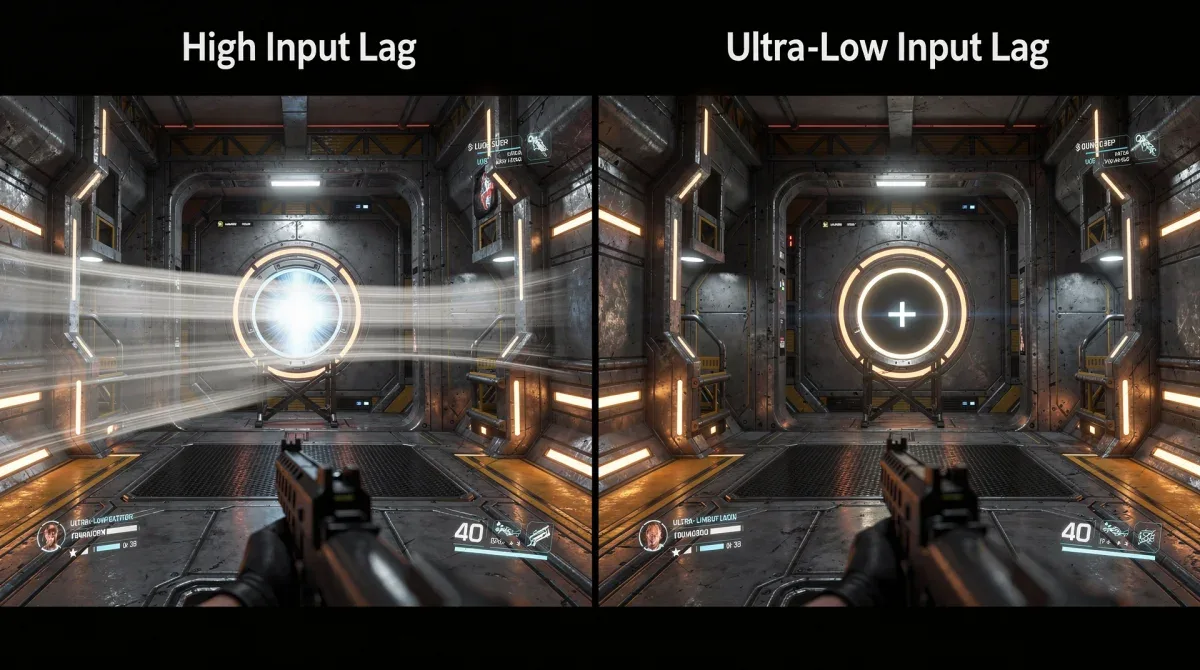
The human factor versus technical limits
The human element is crucial here. The average human reaction time is around 200-250 ms. The difference between 1ms and 0.125ms is 0.875ms, a value far below the threshold of conscious human perception. Therefore, attributing a direct improvement in aim accuracy solely to this latency reduction is often an overstatement for most.
- Perceptual threshold: Most humans cannot discern differences below a certain millisecond threshold.
- Skill ceiling: Aim accuracy is primarily driven by practice, muscle memory, and game sense.
- System bottlenecks: Other factors like monitor refresh rate, GPU, and CPU performance have a much larger impact.
For a pro player, this tiny fraction might contribute to a feeling of greater 'snappiness' or 'directness,' allowing them to execute their already perfected movements with slightly more confidence. But for someone struggling with basic aim mechanics, an 8000Hz mouse won't magically transform their performance.
Ultimately, while 8000Hz polling rates offer a tangible technical improvement in peripheral responsiveness, its direct impact on aim accuracy is highly dependent on the individual player's skill level, sensitivity, and the overall system configuration. For most, it's a 'nice-to-have' rather than a 'must-have' for competitive edge.
System Requirements and Performance Impact
Implementing an 8000Hz polling rate isn't as simple as plugging in a new mouse. This extreme data rate places a significantly higher load on your system's CPU. Each of those 8,000 reports per second needs to be processed, which can consume a noticeable percentage of CPU cycles, especially on older or less powerful processors. If your CPU struggles to keep up, you might experience performance issues, such as frame drops or stuttering, which would negate any potential benefits of reduced input lag.
Beyond the CPU, other components also play a role. A high refresh rate monitor (144Hz, 240Hz, or even 360Hz) is essential to fully appreciate the smoothness that an 8000Hz polling rate can offer. If your monitor can only display 60 frames per second, the additional data points from your mouse won't be visibly translated onto the screen, rendering the high polling rate largely redundant.
Optimizing your setup for 8000Hz
To truly leverage an 8000Hz polling rate, a balanced and powerful system is paramount. It's an upgrade that benefits from a holistic approach to your gaming rig, rather than a standalone solution.

- High-end CPU: Modern multi-core processors (e.g., Intel i7/i9, AMD Ryzen 7/9) are recommended to handle the increased load without performance degradation.
- High refresh rate monitor: A 144Hz+ display is a minimum to visibly perceive the smoother input.
- Optimized drivers and settings: Ensure your mouse drivers are up-to-date and your game settings are configured for optimal performance.
Neglecting these system requirements can lead to a suboptimal experience. Imagine having a sports car capable of 200 mph but driving it on a dirt road – you won't be able to utilize its full potential. The same applies to an 8000Hz mouse; without the supporting infrastructure, its advanced capabilities are largely wasted.
In conclusion, while 8000Hz polling offers cutting-edge responsiveness, it demands a robust and well-optimized gaming PC to function effectively without introducing new performance bottlenecks. It's a feature for those whose systems are already operating at a high level.
The Competitive Edge: Esports and Pro Players
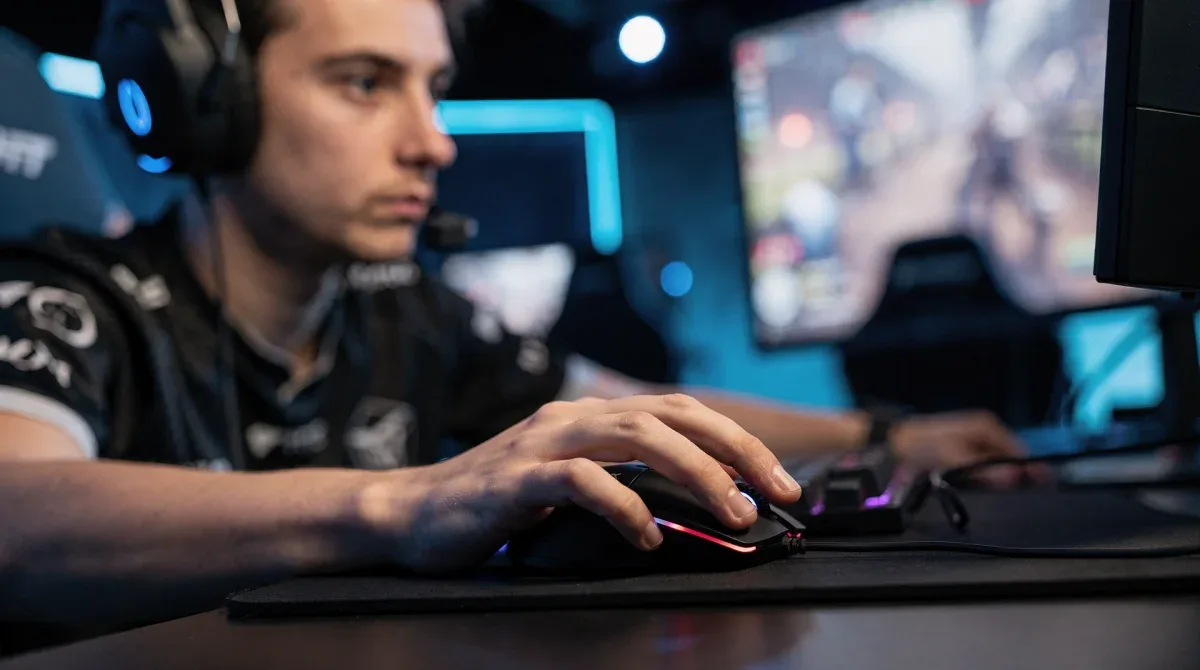
For professional esports players, the conversation around 8000Hz polling rates shifts slightly. In an environment where prize pools are substantial and margins of victory are razor-thin, every fractional advantage is scrutinized. While the average gamer might not perceive a difference, pro players, who spend thousands of hours refining their mechanics, often possess an acute sensitivity to even the most minute changes in input latency.
For these elite athletes, an 8000Hz polling rate isn't about suddenly becoming a better aimer. Instead, it's about eliminating any potential variable that could hinder their peak performance. It's about ensuring that their mouse movements are translated onto the screen with the absolute highest fidelity and lowest possible delay, allowing their muscle memory and finely tuned reflexes to operate without any perceived friction. This can translate into a psychological advantage, fostering greater confidence in their equipment.
The psychological and marginal gains
The benefit for pros is often less about a direct, measurable improvement in K/D ratio and more about the aggregate of marginal gains. If an 8000Hz mouse contributes to a feeling of greater control, even subconsciously, it can impact confidence and consistency over long tournament matches.
- Eliminating doubt: Knowing their equipment is top-tier removes a potential mental barrier.
- Consistent performance: Ultra-low latency can contribute to more consistent execution of complex maneuvers.
- Competitive parity: As more pros adopt it, not having it could be seen as a disadvantage.
Furthermore, the competitive landscape itself influences adoption. If a significant number of top-tier players begin using 8000Hz peripherals and report positive experiences, others will feel compelled to follow suit to maintain competitive parity. This creates a self-fulfilling prophecy where the technology becomes a standard, even if the individual performance gains are subtle.
Therefore, for esports and professional players, the 8000Hz polling rate represents a pursuit of ultimate peripheral optimization, designed to complement their already exceptional skills and provide every possible advantage, however small it may seem to the casual observer.
The Future of Peripheral Speed: Beyond 8000Hz?
As we look to 2026 and beyond, the question naturally arises: what comes after 8000Hz? Is there a practical limit to how fast peripherals need to report data? While the technological capability to achieve even higher polling rates (e.g., 16000Hz or 32000Hz) might exist, the real-world benefits become increasingly negligible, running headfirst into the limitations of human perception and existing system architectures.
The focus for peripheral manufacturers is likely to shift from simply increasing polling rates to optimizing the entire input pipeline. This includes advancements in wireless technology to achieve wired-like latency, more efficient sensor data processing, and deeper integration with operating systems and game engines to minimize any residual input lag. The goal will be to deliver a truly end-to-end low-latency experience, rather than just boosting a single specification.
Holistic input optimization
Future innovations will likely concentrate on a broader approach to input latency, recognizing that a mouse's polling rate is just one piece of a complex puzzle. This holistic view will encompass:
- Wireless latency reduction: Making wireless peripherals truly indistinguishable from wired in terms of speed.
- Software and driver optimization: Refining the code that handles input to be even more efficient.
- System-level integration: Collaborating with OS and game developers to create ultra-low latency input paths.
There's also the consideration of ergonomic design and battery life for wireless peripherals. As polling rates increase, so does power consumption. Balancing extreme performance with practical usability will be a key challenge for future peripheral development.
In summary, while higher polling rates are technically feasible, the industry's future direction will likely involve a more comprehensive approach to input optimization. This aims to create a seamlessly responsive gaming experience that goes beyond just raw polling numbers, ensuring that every component works in harmony to deliver the lowest possible latency to the player.
Making an Informed Decision: Is 8000Hz Right for You?
Deciding whether an 8000Hz polling rate peripheral is a worthwhile investment in 2026 requires a candid assessment of your individual needs, skill level, and system capabilities. For the vast majority of casual and even serious competitive gamers, the upgrade from 1000Hz to 8000Hz will likely offer a negligible, if any, discernible improvement in aim accuracy or overall performance. Your existing setup with a 1000Hz mouse is already providing an excellent, highly responsive experience.
However, if you are an aspiring esports professional, an elite-level player, or someone who simply demands the absolute bleeding edge of technology and has a high-end system to support it, then an 8000Hz mouse might be a justifiable purchase. In these specific scenarios, the marginal gains in responsiveness and the psychological assurance of having the best possible equipment could contribute to your overall competitive package. It's an investment in a fraction of a millisecond that, for a tiny percentage of players, could theoretically make a difference.
Factors to consider before upgrading
Before making the leap to 8000Hz, take a moment to evaluate these key points:
- Current skill level: Are you consistently hitting your shots with your current setup? Is input lag truly your bottleneck?
- System specifications: Do you have a powerful CPU and a high refresh rate monitor (144Hz+)?
- Budget: Are you willing to pay a premium for a potentially imperceptible gain?
- Game type: Does the game you play truly benefit from such extreme responsiveness?
Ultimately, the choice comes down to personal preference and the pursuit of perfection. For many, investing in better fundamental skills, practice, or even a higher refresh rate monitor would yield far more tangible improvements in aim accuracy than an 8000Hz polling rate mouse. It's a luxury feature for those who have already optimized everything else.
In conclusion, the 8000Hz polling rate is a marvel of engineering, pushing the boundaries of peripheral responsiveness. However, its real-world impact on aim accuracy is highly conditional, making it a niche upgrade best suited for elite players with top-tier systems, rather than a universal game-changer for everyone.
| Key Point | Brief Description |
|---|---|
| 8000Hz Polling Rate | Peripheral reports data 8,000 times per second (0.125ms interval), drastically reducing input lag. |
| Aim Accuracy Impact | Marginal for most gamers; noticeable only for elite pros with highly sensitive perception and high-end systems. |
| System Requirements | Demands powerful CPU and high refresh rate monitor (144Hz+) to avoid performance bottlenecks. |
| Future Outlook | Focus shifting to holistic input optimization rather than just raw polling rate increases. |
Frequently asked questions about 8000Hz polling rate
What exactly is an 8000Hz polling rate?▼An 8000Hz polling rate means a peripheral, typically a mouse, reports its position to the computer 8,000 times per second. This translates to an input delay of just 0.125 milliseconds between reports, significantly faster than the 1 millisecond (1000Hz) standard, aiming to reduce input lag.
Will an 8000Hz mouse improve my aim accuracy?▼For most gamers, the improvement in aim accuracy from an 8000Hz polling rate is negligible. Human reaction times and motor skills are typically the limiting factors. Elite esports professionals with high-end systems might perceive a marginal benefit due to enhanced responsiveness.
What are the system requirements for an 8000Hz polling rate?▼To fully benefit from an 8000Hz polling rate, you need a powerful CPU (to handle the increased data processing) and a high refresh rate monitor (144Hz or higher) to visibly translate the smoother input. Without these, performance issues or unnoticeable gains may occur.
Is 8000Hz polling rate worth it for casual gamers?▼For casual gamers, an 8000Hz polling rate is generally not worth the premium cost. The difference from a 1000Hz mouse is imperceptible to most and unlikely to enhance their gaming experience significantly. Focus on comfortable ergonomics and a reliable sensor instead.
What's next for peripheral speed beyond 8000Hz?▼Beyond 8000Hz, the focus is likely to shift towards holistic input optimization. This includes advancements in wireless latency, more efficient software and drivers, and deeper system-level integration to ensure an end-to-end ultra-low latency experience, rather than just higher raw polling numbers.
Conclusion
The 8000Hz polling rate represents a pinnacle in peripheral technology, promising an unprecedented level of responsiveness for gaming mice. While technically delivering an ultra-low input lag of 0.125ms, its practical impact on aim accuracy in 2026 remains highly conditional. For the vast majority of gamers, the difference from a 1000Hz device is imperceptible, with human limitations and system bottlenecks often overshadowing the marginal technical gains. However, for elite esports professionals with top-tier hardware, this fractional advantage can contribute to a psychological edge and ensure their peak performance is unhindered. As the industry progresses, the focus will likely broaden to holistic input optimization, ensuring every component works in harmony to deliver the ultimate low-latency experience, rather than simply chasing higher polling rate numbers.
