Bundesliga 50+1 Rule in 2026: Why Clubs Defend Fan Ownership
The Bundesliga's 50+1 rule, which mandates that clubs hold a majority of their own voting rights, continues to be a defining characteristic of German football, actively defended by all 18 top-flight clubs in 2026 to preserve fan ownership and tradition.
The discussion around the Bundesliga 50+1 Rule in 2026 continues to be a central topic in German football, sparking interest and debate across the global sports landscape. Why do all 18 top-flight clubs remain staunch defenders of fan ownership, even as commercial pressures mount? This article delves into the core reasons behind this enduring commitment, exploring its historical roots, present-day implications, and future outlook.
The bedrock of German football: understanding the 50+1 rule
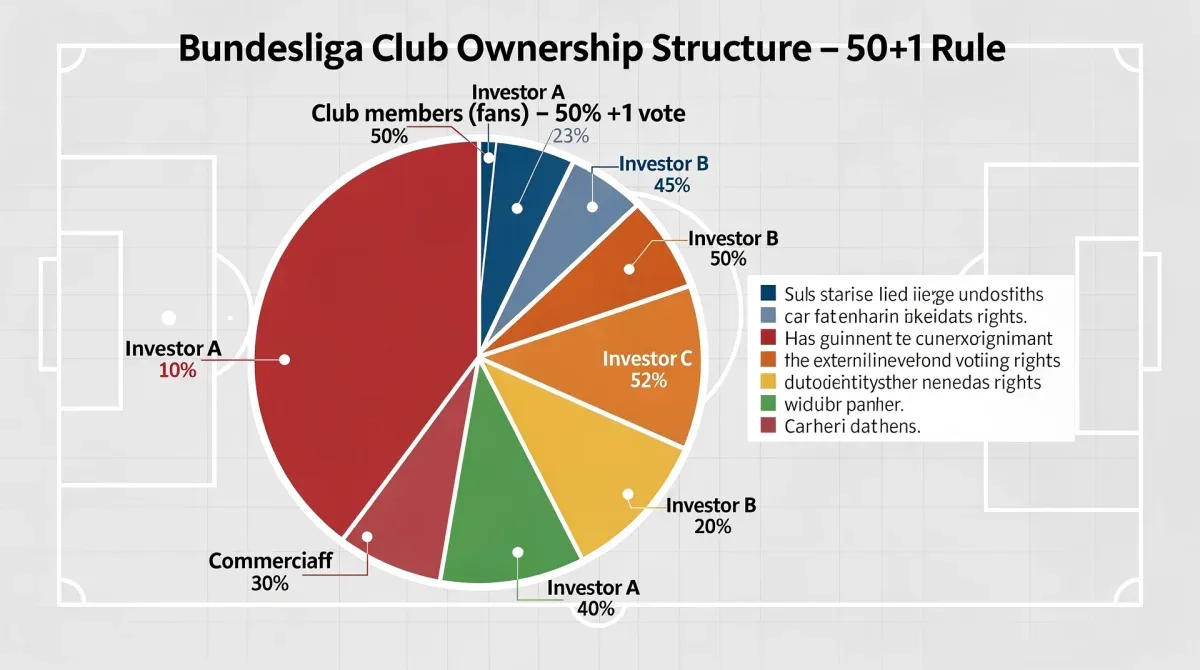
The 50+1 rule is a fundamental pillar of German professional football, distinguishing the Bundesliga from most other major European leagues. It dictates that the parent club, which is typically a membership-based organization, must hold at least 50% plus one additional vote of the voting rights in its professional football company. This structure ensures that fans, through their membership in the parent club, retain ultimate control over their teams.
This regulation isn't merely a bureaucratic formality; it's a deeply ingrained cultural principle that prioritizes community and tradition over pure commercialization. The rule was primarily introduced to prevent external investors from gaining majority control, thereby safeguarding clubs from potentially detrimental short-term decisions driven solely by profit motives. It champions the idea that football clubs are more than just businesses; they are social institutions with a profound connection to their local communities and fan bases.
Historical context and evolution
The 50+1 rule was formally enshrined in the German Football League (DFL) statutes in 1998, a time when many European leagues were already opening their doors wide to external investment. Germany, however, chose a different path, opting to protect its unique club culture. The rule was a direct response to concerns about the increasing commercialization of football and the potential loss of traditional values.
Over the years, the rule has faced various challenges, particularly from clubs seeking greater financial flexibility to compete with Europe's elite. Legal battles and intense public debates have periodically questioned its legality and economic viability. However, each challenge has ultimately reinforced the resolve of the majority of clubs and fans to uphold the rule, seeing it as a shield against the perceived pitfalls of unchecked commercialism.
- 1998 Enactment: The rule was formally adopted by the DFL to regulate ownership.
- Fan Protection: Designed to prevent external investors from controlling clubs.
- Cultural Significance: Reflects a deep-seated belief in fan involvement and community.
- Ongoing Debates: Despite challenges, it has consistently been reaffirmed by clubs.
In essence, the 50+1 rule represents a deliberate choice by German football to maintain a balance between financial competitiveness and the preservation of its distinctive fan-centric identity. It's a testament to the power of collective decision-making and the enduring value placed on the bond between clubs and their supporters.

The economic landscape and competitive balance in 2026
In 2026, the global football economy continues to evolve rapidly, with escalating transfer fees, player wages, and broadcasting rights. This environment often puts pressure on leagues and clubs to attract significant external investment. Yet, the Bundesliga, operating under the 50+1 rule, maintains a unique competitive balance and economic model that its clubs staunchly defend.
While some argue that the rule hinders Bundesliga clubs from competing financially with the likes of the Premier League or La Liga, proponents contend it fosters a more sustainable and equitable league. Without the prospect of a single wealthy owner injecting unlimited capital, clubs are encouraged to operate more prudently, focusing on youth development, sound financial management, and strong community ties.
Financial stability and prudent management
The 50+1 rule inherently promotes financial responsibility. Clubs cannot rely on a benefactor's endless pockets, which often leads to inflated spending and potential financial instability if that benefactor withdraws. Instead, German clubs are compelled to generate revenue through traditional means: ticket sales, merchandising, sponsorship, and broadcast deals, often reinvesting profits back into the club's infrastructure and youth academies.
This approach has historically resulted in fewer financial meltdowns compared to leagues with less stringent ownership regulations. The emphasis on long-term planning over short-term financial gambles contributes significantly to the overall health and stability of the Bundesliga ecosystem, a factor highly valued by the clubs themselves.
The competitive landscape within the Bundesliga also benefits. While Bayern Munich has enjoyed sustained success, the league generally sees a greater variety of clubs challenging for European spots and even the league title over different periods. This is partly due to the inability of a single club to be bought out by an investor who could simply outspend everyone else without restraint. It creates a more level playing field where strategic management and fan engagement become paramount.
Fan power and club identity: the core of the defense
The most compelling argument for the continued defense of the 50+1 rule by Bundesliga clubs centers on the unparalleled fan involvement and the preservation of club identity. German football is renowned for its vibrant stadium atmospheres, affordable ticket prices, and passionate, engaged fan bases. These elements are not incidental; they are a direct consequence of the 50+1 rule, which empowers supporters and ensures their voices are heard.
Fans in Germany often view their clubs as integral parts of their local identity and heritage, not merely as commercial entertainment entities. This deep-rooted connection translates into robust support, both financially through memberships and emotionally through unwavering loyalty. The rule ensures that clubs remain accountable to their members, fostering a sense of collective ownership and shared destiny.
Protecting tradition and community links
The 50+1 rule acts as a guardian of tradition. It prevents external investors from unilaterally changing club colors, logos, or even stadium names for commercial gain, actions that are often met with fierce opposition in other leagues. The historical significance and cultural heritage of each club are protected, ensuring that their identity evolves organically with the community rather than being dictated by corporate interests.
Community engagement is another cornerstone. German clubs are often deeply embedded in their local areas, running extensive social programs, youth development initiatives, and maintaining strong ties with local businesses and institutions. This community-first approach is reinforced by the 50+1 rule, as the club's leadership is ultimately answerable to its members, who often prioritize local impact over global commercial reach.
- Vibrant Fan Culture: Ensures affordable tickets and incredible stadium atmospheres.
- Accountability: Club leadership remains answerable to its member base.
- Identity Preservation: Protects club traditions, names, and symbols from external influence.
- Community Focus: Fosters strong local ties and social responsibility initiatives.
The clubs understand that this unique relationship with their fans is a significant competitive advantage, differentiating them in a crowded global sports market. It's a value proposition that extends beyond on-field performance, creating an enduring loyalty that few other leagues can match.
Challenges and adaptations in the modern era
Despite its staunch defense, the 50+1 rule is not without its challenges in the ever-evolving landscape of modern football. The increasing financial disparities between leagues and the constant pressure to attract top talent and global sponsorships compel clubs to continually evaluate their operational models.
One of the primary challenges is the perceived limitation on investment. While the rule protects clubs from hostile takeovers, it can also deter potential investors who seek majority control. This means German clubs often have to be more creative in their fundraising and commercial strategies, focusing on organic growth and diversified revenue streams.
Navigating commercial pressures
Clubs in the Bundesliga have become adept at maximizing their commercial potential within the constraints of the 50+1 rule. This includes innovative sponsorship deals, expanding international fan bases through digital engagement, and developing strong brand identities that resonate globally. They also leverage their unique fan culture as a selling point, attracting partners who value authenticity and community involvement.
Furthermore, the rule allows for exceptions under specific circumstances, such as the 'Leverkusen' and 'Wolfsburg' models, where companies (Bayer AG and Volkswagen AG, respectively) have owned their clubs for over 20 years. These exceptions, however, are tightly regulated and do not represent a widespread dismantling of the rule, but rather historical anomalies that predate its full implementation.
The ongoing dialogue within the DFL and among club representatives constantly seeks to find a balance. Discussions often revolve around how to enhance commercial competitiveness without compromising the core principles of fan ownership. This includes exploring new avenues for minority investments that align with the spirit of the rule, ensuring that any external capital serves to strengthen the club rather than dilute fan influence.
The unified front: why all 18 clubs stand together
It is remarkable that in 2026, all 18 top-flight Bundesliga clubs continue to defend the 50+1 rule, presenting a unified front against potential external pressures. This consensus is a testament to the deep-seated belief in the rule's benefits and the collective understanding of its importance to the league's identity and long-term sustainability.
This unity is not born out of blind adherence but rather from a pragmatic assessment of what works best for German football. While individual clubs might occasionally feel the pinch of financial limitations, the overarching sentiment is that the advantages of fan ownership—stability, identity, and community—far outweigh the perceived drawbacks of restricted external investment.
The power of collective bargaining and shared values
The DFL acts as a strong advocate for the rule, facilitating discussions and ensuring that the collective voice of the clubs is heard. This collective approach allows the Bundesliga to negotiate effectively with broadcasters, sponsors, and other stakeholders, maintaining a strong position in the global football landscape.
Moreover, the shared values promoted by the 50+1 rule create a unique sense of solidarity among the clubs. They see themselves as custodians of a particular footballing philosophy, one that prioritizes the fan experience and community engagement. This shared vision fosters a collaborative environment where clubs often support each other in upholding the integrity of the league.
- Strong DFL Support: The league actively champions and protects the rule.
- Shared Philosophy: Clubs unite around common values of fan involvement.
- Collective Strength: A unified stance strengthens the league's negotiating power.
- Long-Term Vision: Prioritizes sustainable growth over short-term financial boosts.
The steadfast defense of the 50+1 rule by all 18 Bundesliga clubs in 2026 demonstrates a clear commitment to a model that, while perhaps not maximizing immediate commercial returns, ensures the enduring health, integrity, and unique character of German football.

Future outlook: maintaining identity in a globalized sport
As we look towards the future, the challenge for the Bundesliga and its 50+1 rule will be to continue adapting to a rapidly globalizing sport while steadfastly maintaining its core identity. The rule is not static; its interpretation and application may evolve, but its fundamental principle of fan control is likely to remain.
The league will need to continue innovating its commercial strategies, focusing on areas where its unique identity provides a competitive edge. This includes leveraging its strong fan culture for global appeal, developing cutting-edge digital platforms, and expanding its presence in key international markets, all while staying true to its values.
Innovation within boundaries
Clubs are increasingly exploring models of fan engagement that go beyond traditional membership, utilizing technology to involve supporters in new ways, from digital voting on club matters to interactive content experiences. This demonstrates that innovation is possible and indeed thriving within the framework of the 50+1 rule, proving that fan ownership can coexist with modern football management.
The ongoing dialogue between clubs, fans, and the DFL will be crucial in navigating future challenges. This collaborative approach ensures that any potential changes or adaptations to the rule are thoroughly debated and reflect the collective will of German football stakeholders. The goal is not just to preserve the rule but to ensure it remains relevant and beneficial in a constantly changing world.
Ultimately, the enduring defense of the 50+1 rule by all 18 Bundesliga clubs in 2026 is a powerful statement. It signals a commitment to a vision of football where the heart of the club beats with its community, where tradition is cherished, and where the passion of the fans truly matters. This unique model will undoubtedly continue to shape the future of German football for years to come.
| Key Aspect | Brief Description |
|---|---|
| Fan Ownership | Ensures clubs are majority-owned by their members, preserving democratic control. |
| Financial Stability | Promotes prudent financial management and reduces reliance on singular wealthy investors. |
| Club Identity | Protects club traditions, names, and community ties from commercial exploitation. |
| Competitive Balance | Fosters a more level playing field within the league by limiting investor influence. |
Frequently asked questions about the Bundesliga 50+1 rule
What is the core principle of the Bundesliga 50+1 rule?▼The 50+1 rule mandates that the parent club, which is typically a membership-based organization, must hold at least 50% plus one additional vote of the voting rights in its professional football company. This ensures that fans, through their club membership, retain ultimate control over key decisions and the club's direction.
Why do Bundesliga clubs continue to defend the 50+1 rule?▼Clubs defend the rule primarily to preserve fan ownership, protect club identity and traditions, ensure financial stability through prudent management, and maintain a competitive balance within the league. It prevents external investors from gaining majority control and potentially altering the club's core values.
Does the 50+1 rule hinder Bundesliga clubs financially?▼While some argue it limits access to large-scale external investment, proponents believe it fosters financial responsibility and sustainability. Clubs are encouraged to generate revenue organically and reinvest profits, leading to fewer financial crises and a more stable economic environment compared to some other European leagues.
Are there any exceptions to the 50+1 rule?▼Yes, there are limited exceptions. Most notably, clubs like Bayer Leverkusen and VfL Wolfsburg are exempt due to long-standing ownership by corporate entities (Bayer AG and Volkswagen AG, respectively) that have provided significant support for over 20 years. These are historical cases rather than a loophole for new investors.
How does the 50+1 rule impact fan culture and stadium atmosphere?▼The rule is widely credited for Germany's vibrant fan culture, affordable ticket prices, and passionate stadium atmospheres. By empowering fans and ensuring clubs are accountable to their members, it fosters a strong sense of community and belonging, making the fan experience a top priority.
Conclusion
The steadfast defense of the Bundesliga 50+1 Rule by all 18 top-flight clubs in 2026 is a powerful testament to the enduring values of German football. Far from being an outdated relic, the rule is actively championed as a cornerstone for financial stability, competitive balance, and, most importantly, the preservation of club identity and unparalleled fan involvement. In an increasingly commercialized global sport, the Bundesliga stands out as a league where the voice of the supporter remains paramount, ensuring that clubs are deeply rooted in their communities and accountable to those who matter most: their fans.
