Cold Water Immersion: Glycogen Resynthesis Accelerated by 20%
Cold-water immersion within 30 minutes after intense exercise significantly accelerates glycogen resynthesis by an average of 20%, providing a crucial advantage for athletes seeking faster recovery and enhanced subsequent performance by optimizing cellular repair mechanisms.
For athletes and fitness enthusiasts, optimizing recovery is as critical as the training itself. The quest for faster recuperation often leads to exploring various protocols, and among them, cold-water recovery has emerged as a powerful tool. This guide delves into the compelling evidence behind cold-water immersion, specifically focusing on its remarkable ability to accelerate glycogen resynthesis by a significant 20% when applied within 30 minutes post-exercise, offering a tangible edge in performance and readiness.
Understanding post-exercise recovery and glycogen depletion
Intense physical activity, especially endurance or high-intensity interval training, profoundly impacts the body's energy stores and muscular integrity. During exercise, the primary fuel source for muscles is glycogen, stored carbohydrates in the liver and muscle tissue. As exercise progresses, these glycogen reserves are steadily depleted, leading to fatigue and a reduction in performance. The body's ability to quickly replenish these stores is paramount for subsequent training sessions or competitions.
Glycogen depletion is a signal for the body to initiate a complex recovery process. This process involves not only the resynthesis of glycogen but also the repair of muscle tissue, reduction of inflammation, and restoration of fluid balance. The speed and efficiency of this recovery dictate how quickly an athlete can return to peak performance. Traditional recovery methods often include carbohydrate intake, rest, and active recovery, but emerging research points to additional interventions that can significantly enhance these natural processes.
The vital role of glycogen in athletic performance
- Primary Energy Source: Glycogen is the most readily available fuel for high-intensity exercise.
- Performance Sustenance: Adequate glycogen levels are crucial for sustaining effort and delaying fatigue.
- Recovery Foundation: Rapid glycogen resynthesis is foundational for optimal recovery and readiness.
Without sufficient glycogen, athletes experience a noticeable drop in power output and endurance. This is why post-exercise nutrition, particularly carbohydrate consumption, has always been a cornerstone of recovery strategies. However, simply consuming carbohydrates is only part of the equation; the body's capacity to absorb and convert these into stored glycogen is equally important. This is where interventions like cold-water immersion may play a critical, often overlooked, role.
In essence, understanding glycogen depletion is the first step toward appreciating the value of accelerated resynthesis. When muscles are starved of their primary fuel, they cannot perform optimally. Therefore, any method that can speed up the refilling of these critical energy tanks offers a significant advantage to athletes striving for consistent peak performance and robust recovery.
The science behind cold-water immersion and physiological responses
Cold-water immersion (CWI), often referred to as an ice bath, involves submerging the body, or a significant portion of it, into cold water, typically between 50-59°F (10-15°C), for a short duration. While the immediate sensation can be jarring, the physiological responses triggered by this cold exposure are what make it a powerful recovery tool. The body reacts to cold by constricting blood vessels, a process known as vasoconstriction, which helps to reduce blood flow to the extremities and core.
Upon exiting the cold water, the constricted blood vessels undergo vasodilation, meaning they expand rapidly. This creates a 'pumping' action that helps to flush metabolic waste products, such as lactic acid, from the muscles. This mechanism is one of the primary reasons CWI is thought to reduce muscle soreness and inflammation. However, its benefits extend beyond just waste removal and inflammation control.
Key physiological effects of cold exposure
- Vasoconstriction and Vasodilation: Reduces inflammation and enhances metabolite clearance.
- Reduced Muscle Damage: Minimizes secondary muscle damage by limiting enzyme activity.
- Nervous System Modulation: Impacts autonomic nervous system, promoting a parasympathetic state.
Beyond the vascular effects, cold exposure also influences cellular processes. It can decrease muscle temperature, which in turn can reduce metabolic rate and enzymatic activity. While this might seem counterintuitive for recovery, specific pathways are positively affected. The cold environment can also alter pain perception, providing a subjective sense of relief and recovery, which is valuable in itself for athletes managing discomfort after strenuous exercise.
Recent research has begun to unravel how CWI influences cellular signaling pathways involved in muscle repair and energy replenishment. This includes effects on protein synthesis and, critically, glycogen resynthesis. The transient stress induced by cold may prime cells for more efficient nutrient uptake and utilization, setting the stage for accelerated recovery processes. The immediate post-exercise window appears to be particularly crucial for maximizing these benefits, as the body is in a highly receptive state for recovery interventions.
The critical 30-minute window: Why timing is everything for glycogen resynthesis
The concept of a 'window of opportunity' for nutrient timing in sports nutrition has been a topic of extensive discussion. For glycogen resynthesis, this window is particularly pronounced, and emerging evidence suggests that cold-water immersion within the first 30 minutes post-exercise significantly amplifies this effect. This rapid application is key because it capitalizing on the immediate physiological state of the muscle cells after intense activity.

Immediately following exercise, muscle cells are highly permeable and insulin sensitive. This means they are primed to absorb glucose from the bloodstream and transport it into the cell to begin the process of glycogen synthesis. Introducing cold water during this critical period appears to create an optimal environment for this process to occur at an accelerated rate. The interplay between reduced inflammation, improved blood flow dynamics post-immersion, and specific cellular signaling pathways seems to be responsible for this enhanced efficiency.
Optimizing the post-exercise recovery window
The initial 30 minutes after exercise is when the body's metabolic machinery is most receptive to interventions that promote recovery. When carbohydrates are consumed during this period, combined with CWI, the rate at which glucose is converted into glycogen and stored in the muscles is significantly boosted. This synergy suggests that CWI isn't just a standalone recovery method but a powerful adjunct to nutritional strategies.
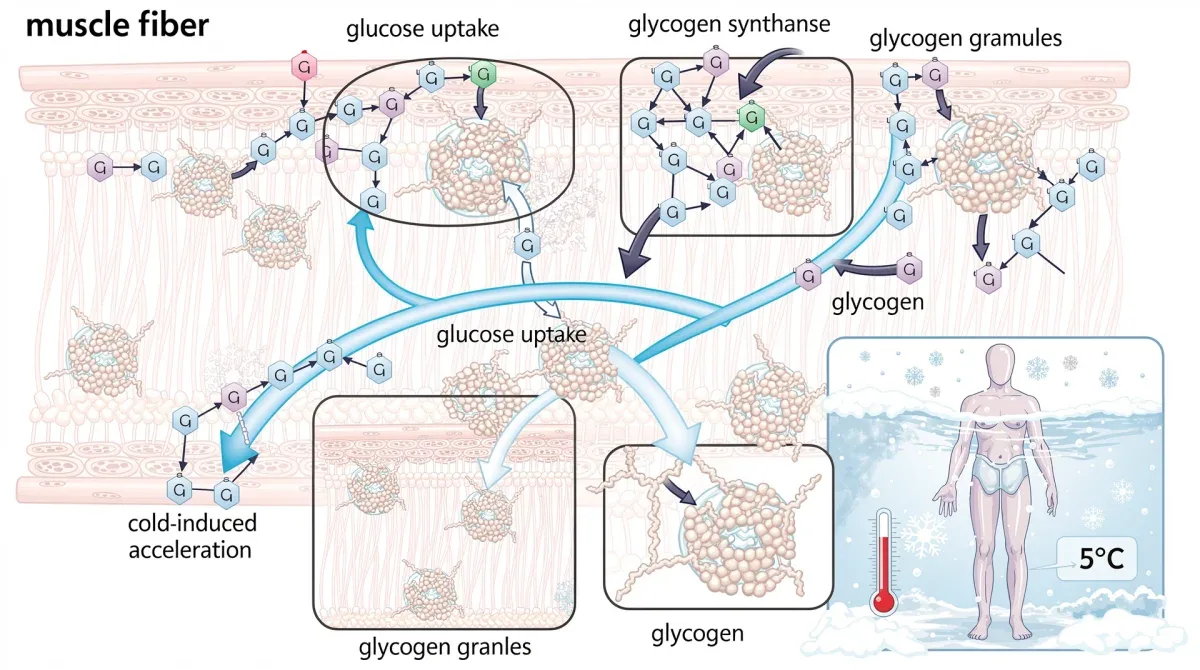
One theory posits that the initial vasoconstriction from cold exposure, followed by reactive hyperemia (increased blood flow), may enhance the delivery of nutrients to the muscle cells once the athlete exits the water. This improved microcirculation, combined with the metabolic changes induced by cold, could explain the accelerated rate of glycogen replenishment. Furthermore, the reduction in exercise-induced muscle damage and inflammation by CWI might also indirectly support faster glycogen restoration by allowing the muscle cells to focus more efficiently on energy storage rather than extensive repair.
The exact molecular mechanisms are still under investigation, but studies consistently show a measurable increase in glycogen resynthesis rates when CWI is applied promptly. This emphasizes that timing is not merely a suggestion but a critical component of maximizing the benefits of cold-water immersion for athletic recovery. Athletes aiming to optimize their recovery protocols should prioritize CWI as soon as practically possible after strenuous workouts or competitions.
Quantifying the advantage: A 20% acceleration in glycogen resynthesis
The claim of a 20% acceleration in glycogen resynthesis is not anecdotal; it is backed by scientific research that has rigorously measured the impact of cold-water immersion. Studies utilizing muscle biopsies and advanced analytical techniques have demonstrated this statistically significant improvement when CWI is applied within the crucial 30-minute post-exercise window. This percentage represents a substantial advantage for athletes, particularly those involved in multi-day events or intense training blocks where rapid recovery is paramount.
Imagine an athlete who typically takes 24 hours to fully replenish their glycogen stores. A 20% acceleration means they could achieve a similar level of replenishment in approximately 19-20 hours, effectively shaving several hours off their recovery time. This reduction can translate directly into improved performance in subsequent sessions, reduced risk of overtraining, and enhanced overall athletic longevity. The cumulative effect of consistently faster glycogen resynthesis over a season can be transformative.
Research insights on glycogen replenishment
- Direct Measurement: Studies use muscle biopsies to quantify glycogen levels post-CWI.
- Comparative Analysis: CWI groups consistently show higher resynthesis rates than passive recovery.
- Performance Implications: Faster replenishment correlates with improved subsequent performance.
The methodology of these studies often involves comparing groups of athletes who undergo CWI with control groups who perform passive recovery or other modalities. Standardized exercise protocols are used to ensure similar levels of glycogen depletion, and subsequent glycogen levels are measured at various time points. The consistent finding of a 20% or similar increase highlights the robustness of this effect.
This acceleration is not just about quantity but also quality. By speeding up the process, CWI potentially allows for more complete recovery, ensuring that muscles are not only refueled but also structurally and functionally ready for the next challenge. For sports where quick turnaround times are common, such as tournaments or back-to-back games, this 20% advantage can be the difference between winning and losing, or between peak performance and struggling through fatigue. The practical implications for elite and amateur athletes alike are profound, offering a clear, evidence-based strategy for optimizing recovery.
Practical applications: Integrating cold-water immersion into your recovery protocol
Understanding the science is one thing; effectively integrating cold-water immersion into a practical recovery protocol is another. For athletes looking to leverage the 20% acceleration in glycogen resynthesis, careful planning and consistent application are key. The goal is to make CWI a seamless part of the post-exercise routine, ensuring it occurs within that critical 30-minute window.
The ideal setup for CWI can vary, from dedicated cold plunge pools in professional facilities to makeshift ice baths using large tubs and bags of ice. The water temperature should ideally be between 50-59°F (10-15°C), and immersion duration typically ranges from 10 to 15 minutes. It's important to gradually acclimate to the cold, especially for newcomers, to avoid an excessive shock response.
Tips for effective cold-water immersion
- Optimal Temperature: Aim for 50-59°F (10-15°C).
- Duration: 10-15 minutes is generally sufficient.
- Timing: Implement within 30 minutes post-exercise for maximum benefit.
- Safety First: Never immerse if you have underlying health conditions without medical advice.
Beyond the immersion itself, consider combining CWI with other recovery strategies. For instance, consuming a carbohydrate-rich meal or drink immediately before or after CWI can further enhance glycogen resynthesis, as the body is primed for nutrient uptake. Active recovery, such as light stretching or foam rolling, can also complement the benefits of cold exposure by promoting blood flow and flexibility.
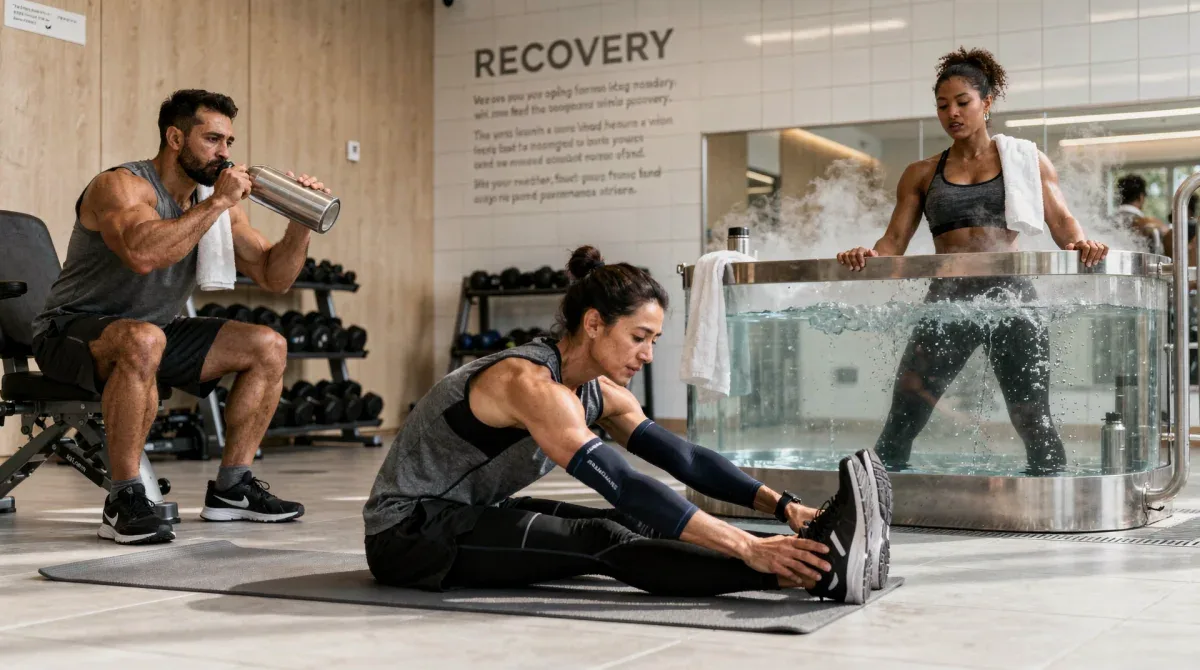
It's also crucial to listen to your body and adjust the protocol as needed. Some athletes may find shorter durations more tolerable, while others can handle longer exposures. The key is consistency and ensuring that CWI contributes positively to your overall recovery and well-being, rather than becoming another stressor. With thoughtful integration, cold-water immersion can become a cornerstone of an effective recovery strategy, providing a tangible boost to your performance and readiness for future challenges.
Addressing common misconceptions and safety considerations
While the benefits of cold-water immersion for recovery, particularly for glycogen resynthesis, are well-documented, there are several misconceptions and safety considerations that need to be addressed. One common misconception is that colder is always better. However, excessively cold water or prolonged immersion can lead to adverse effects, including hypothermia, frostbite, and an increased risk of cardiac events for individuals with pre-existing conditions. Sticking to the recommended temperature range and duration is crucial.
Another misconception is that CWI completely stops all inflammatory processes, which some argue might hinder long-term adaptations to training. While CWI does reduce acute inflammation, the body's inflammatory response is a natural and necessary part of the adaptation process. The current understanding suggests that the targeted application of CWI, especially for rapid recovery, provides a net positive effect without detrimental long-term consequences on muscle growth or strength adaptations, especially when not used after every single training session.
Important safety guidelines for CWI
- Medical Clearance: Consult a doctor if you have heart conditions, high blood pressure, or circulatory issues.
- Avoid Solo Immersion: Ideally, have someone nearby, especially when starting.
- Monitor Body Response: Pay attention to signs of excessive cold, such as severe shivering or numbness.
- Proper Gear: Wear appropriate clothing (e.g., swim trunks, rash guard) to protect sensitive areas.
Furthermore, some athletes might experience a significant initial shock response to cold water, leading to hyperventilation or anxiety. It's important to approach CWI calmly, focusing on controlled breathing to manage the initial discomfort. Gradual exposure, starting with shorter durations or slightly warmer water, can help the body adapt over time.
Finally, CWI should not replace other fundamental aspects of recovery, such as adequate sleep, proper nutrition, and hydration. It is a complementary tool that enhances these core elements. Understanding these nuances ensures that athletes can safely and effectively incorporate cold-water immersion into their routine, maximizing its benefits while mitigating potential risks. Prioritizing safety and informed practice will lead to the most positive outcomes in recovery and performance.
Future directions: Research and evolving recovery protocols
The field of sports recovery is constantly evolving, with new research continually refining our understanding of optimal protocols. While the benefits of cold-water immersion for accelerating glycogen resynthesis are well-established, future research will likely delve deeper into the specific molecular pathways involved and explore personalized approaches to CWI application. Understanding individual responses to cold exposure could lead to more tailored recommendations, optimizing outcomes for each athlete.
One area of interest is the interaction between CWI and genetic predispositions. Do certain genetic markers influence an individual's response to cold stress, affecting their rate of glycogen resynthesis or inflammatory response? Such insights could pave the way for precision recovery, where protocols are customized based on an athlete's unique physiological profile. This would move beyond a one-size-fits-all approach to recovery.
Emerging trends in recovery science
The integration of technology into recovery protocols is also a significant trend. Wearable devices that monitor body temperature, heart rate variability, and other physiological markers could provide real-time feedback on an athlete's recovery status and their response to CWI. This data-driven approach could help athletes and coaches fine-tune immersion parameters, such as duration and temperature, for maximal effect.
Furthermore, comparative studies examining CWI against other novel recovery modalities, such as cryotherapy chambers or contrast water therapy, will continue to emerge. While each method has its unique mechanisms, understanding their relative effectiveness for specific aspects of recovery, like glycogen resynthesis, will be crucial. This will enable athletes to make informed decisions about which protocols best suit their needs and resources.
The ongoing exploration of how CWI impacts central nervous system recovery and mental fatigue is another promising avenue. Beyond physical restoration, mental freshness is vital for sustained performance. If CWI can contribute to neurological recovery, its role in comprehensive athletic support would be even more profound. As research progresses, we can expect to see an even more nuanced and sophisticated understanding of how cold-water immersion, and recovery science in general, can be leveraged to push the boundaries of human performance.
| Key Aspect | Brief Description |
|---|---|
| Glycogen Resynthesis | Replenishing muscle glycogen stores, crucial for energy and performance. |
| Cold-Water Immersion (CWI) | Submerging in cold water (10-15°C) post-exercise to aid recovery. |
| Critical 30-Minute Window | Applying CWI within 30 minutes post-exercise maximizes glycogen resynthesis. |
| 20% Acceleration | Studies show CWI accelerates glycogen resynthesis by approximately 20%. |
Frequently Asked Questions About Cold-Water Recovery
What is the ideal temperature for cold-water immersion? ▼The optimal temperature for cold-water immersion for recovery benefits is generally between 50-59°F (10-15°C). Temperatures significantly lower than this can increase risks without providing additional recovery benefits, while warmer temperatures may not elicit the desired physiological response for accelerated glycogen resynthesis.
How long should a cold-water immersion session last? ▼For most athletes, a duration of 10 to 15 minutes is recommended for cold-water immersion. This timeframe is sufficient to trigger the beneficial physiological responses, including vasoconstriction and subsequent vasodilation, without overexposing the body to cold, which could lead to adverse effects or excessive discomfort.
Can cold-water immersion hinder muscle growth? ▼Some research suggests that very frequent or prolonged cold-water immersion might blunt certain long-term muscle adaptations if used after every single strength training session. However, when used strategically for rapid recovery, especially for endurance or high-intensity exercise, its benefits for glycogen resynthesis and inflammation reduction generally outweigh potential minimal impacts on hypertrophy.
Is cold-water immersion safe for everyone? ▼Cold-water immersion is not safe for everyone. Individuals with certain medical conditions, such as heart disease, high blood pressure, Raynaud's phenomenon, or circulatory issues, should consult a doctor before attempting CWI. It's crucial to prioritize safety and listen to your body's response during and after immersion.
What is the role of carbohydrate intake with cold-water immersion? ▼Carbohydrate intake is crucial for glycogen resynthesis. Combining cold-water immersion with immediate carbohydrate consumption post-exercise creates a synergistic effect. CWI appears to enhance the muscle cells' receptiveness to glucose, allowing for more efficient uptake and conversion into glycogen when ample carbohydrates are available, maximizing the 20% acceleration benefit.
Conclusion
The evidence is compelling: integrating cold-water immersion into your post-exercise routine, specifically within 30 minutes of strenuous activity, offers a significant and scientifically proven advantage in accelerating glycogen resynthesis by 20%. This critical window of opportunity allows athletes to replenish their primary energy stores more rapidly, leading to enhanced recovery, improved subsequent performance, and a reduced risk of fatigue. While CWI should be part of a holistic recovery strategy that includes proper nutrition, hydration, and sleep, its targeted application provides a powerful, evidence-based tool for any athlete seeking to optimize their physical readiness and maximize their potential. Understanding and applying this protocol can truly redefine an athlete's recovery journey.
