Soccer Injury Prevention: Federations Cut Absences 22%
Twelve international soccer federations have significantly reduced soft-tissue injury absences by 22% by implementing comprehensive prevention programs, focusing on advanced analytics, individualized training, and multidisciplinary support to enhance player availability and performance.
The demanding nature of modern international soccer places immense physical stress on athletes, making injury prevention a paramount concern. Understanding how 12 federations achieved a 22% reduction in soft-tissue absences offers crucial insights into effective strategies. This significant achievement highlights the critical role of data-driven approaches and integrated athlete welfare programs in maintaining peak performance and ensuring player availability across the sport.
The Genesis of a Proactive Approach: Understanding Soft-Tissue Injuries
Soft-tissue injuries, primarily affecting muscles, tendons, and ligaments, represent a significant portion of all soccer-related absences. These injuries not only sideline key players but also incur substantial financial costs and impact team performance. Traditionally, injury management was largely reactive, focusing on rehabilitation after an incident. However, a paradigm shift towards proactive prevention has emerged, driven by a deeper understanding of injury mechanisms and the availability of advanced monitoring technologies.
The journey for these 12 federations began with a comprehensive audit of their existing medical and performance infrastructure. This involved analyzing historical injury data, identifying common injury patterns, and assessing current training methodologies. The goal was to establish a baseline and pinpoint areas where interventions could yield the most significant impact. This initial phase underscored the need for a more systematic, evidence-based approach rather than relying on anecdotal observations.
Identifying High-Risk Factors
Several factors contribute to soft-tissue injuries in soccer. Understanding these elements is the first step towards effective prevention. Federations meticulously analyzed player load, biomechanics, and recovery protocols.
- Acute-to-Chronic Workload Ratio: Monitoring the balance between recent training intensity and long-term workload to identify sudden spikes that heighten injury risk.
- Muscle Imbalances: Screening for strength discrepancies between opposing muscle groups, such as hamstrings and quadriceps, which can predispose players to strains.
- Fatigue Levels: Assessing both physical and mental fatigue through subjective questionnaires and objective markers to prevent overtraining.
- Previous Injury History: Recognizing that a prior injury significantly increases the likelihood of recurrence, necessitating targeted rehabilitation and preventive exercises.
By systematically addressing these factors, federations could move beyond generic training programs to more individualized prevention strategies. This foundational understanding laid the groundwork for implementing targeted interventions that proved instrumental in reducing injury rates. The initial investment in data collection and analysis was crucial for tailoring programs effectively.
This proactive approach emphasizes that preventing injuries is not a singular event but a continuous process of monitoring, adjusting, and educating. The federations recognized that a holistic view of athlete health, encompassing physical, physiological, and psychological aspects, was essential for sustained success. This early commitment to understanding the nuances of soft-tissue injuries set the stage for their impressive 22% reduction in absences.
Implementing Data-Driven Monitoring and Analytics
The success of these federations in reducing soft-tissue absences was heavily reliant on sophisticated data-driven monitoring systems. Gone are the days of relying solely on coaches' intuition; modern soccer demands objective metrics to inform training and recovery decisions. These federations invested in cutting-edge technology and developed robust analytical frameworks to track player health and performance comprehensively.
GPS tracking devices, worn by players during training and matches, became indispensable tools. These devices provide a wealth of data, including total distance covered, high-speed running, acceleration, deceleration, and metabolic power. By analyzing these metrics, performance staff can quantify the physical demands placed on each player and identify potential overload situations before they lead to injury. This granular data allows for personalized adjustments to training volumes and intensities.
Advanced Biomechanical Screening
Beyond external load monitoring, federations integrated advanced biomechanical screening into their injury prevention protocols. These assessments aim to identify movement inefficiencies or compensatory patterns that could increase injury risk.
- Force Plate Analysis: Used to evaluate ground reaction forces, jumping mechanics, and balance, revealing asymmetries or weaknesses.
- 3D Motion Capture: Provides detailed insights into joint angles and movement patterns during specific actions, like sprinting or changing direction, to correct suboptimal mechanics.
- Isokinetic Testing: Measures muscle strength and endurance across a range of motion, pinpointing deficits that require targeted strengthening.

This detailed biomechanical data complements the external load metrics, providing a holistic picture of a player's physical status. For instance, a player showing high external loads combined with biomechanical inefficiencies in their hamstring function would be flagged for specific preventive exercises and reduced training intensity. The integration of these diverse data streams allows medical and performance teams to make highly informed decisions, moving from general recommendations to highly specific interventions tailored to individual athlete needs.

The continuous collection and analysis of this data enabled federations to establish predictive models for injury risk. By identifying patterns and correlations between various metrics and injury occurrences, they could proactively intervene. This predictive capability was a game-changer, allowing for adjustments to training schedules, recovery protocols, and individualized exercise prescriptions well before an injury manifested. The commitment to data-driven decision-making fundamentally transformed their approach to player welfare and performance optimization, leading directly to the observed reduction in soft-tissue absences.
Tailored Training Programs and Load Management
One of the most impactful strategies employed by the 12 federations was the implementation of highly tailored training programs, coupled with meticulous load management. Recognizing that a 'one-size-fits-all' approach is ineffective for elite athletes, these programs were designed to address individual player needs, strengths, and weaknesses, while carefully balancing training stress with recovery.
Individualized training began with the insights gleaned from data monitoring and biomechanical screening. For example, a player identified with hamstring weakness would receive a specific strength program focusing on eccentric hamstring exercises, while another player with high-speed running deficits might engage in targeted sprint drills. These programs were dynamic, evolving based on continuous assessment and feedback from players and performance staff. The emphasis was on progressive overload, ensuring that players were challenged sufficiently to improve performance without exceeding their adaptive capacity.
Strategic Periodization and Recovery
Effective load management extends beyond daily training adjustments; it involves strategic periodization of the entire season. This means planning training cycles to peak for key competitions while incorporating periods of reduced load to facilitate recovery and regeneration.
- Micro-cycles: Weekly adjustments to training volume and intensity based on match schedules, travel, and individual player status.
- Meso-cycles: Monthly or multi-week blocks designed to achieve specific physical adaptations, such as building aerobic capacity or strength.
- Macro-cycles: The overarching annual plan, including pre-season, in-season, and off-season phases, with clear objectives for each period.
Recovery protocols were given equal importance to training. These included active recovery sessions, cryotherapy, massage, and adequate sleep hygiene. Nutritional strategies were also optimized to support muscle repair and energy replenishment. The federations understood that recovery is not merely the absence of training but an active process crucial for adaptation and injury prevention. By integrating these elements, they created a comprehensive system that optimized both performance and athlete well-being.
The continuous communication between coaching staff, medical teams, and performance scientists was critical in executing these tailored programs effectively. Daily dialogues and weekly reviews ensured that training plans were adapted in real-time to player responses, mitigating the risk of overtraining or under-preparation. This integrated approach to training and load management allowed federations to push performance boundaries while simultaneously safeguarding player health, directly contributing to the significant reduction in soft-tissue injuries.
The Role of Multidisciplinary Medical Teams
The impressive reduction in soft-tissue absences by 22% would not have been possible without the integral involvement of highly skilled, multidisciplinary medical teams. These teams operate beyond basic first aid, embracing a holistic approach to player health that spans prevention, immediate care, rehabilitation, and long-term well-being. Their collaborative nature ensures that all aspects of a player's physical and mental state are continuously monitored and addressed.
Each federation established a core medical team typically comprising sports physicians, physiotherapists, strength and conditioning coaches, nutritionists, and sports psychologists. This diverse expertise allows for a comprehensive assessment of each player. For instance, a sports physician might diagnose an injury, a physiotherapist would lead the rehabilitation, a strength coach would ensure safe return-to-play protocols, and a nutritionist would optimize dietary intake for recovery and performance. This integrated approach minimizes communication gaps and ensures a consistent, evidence-based strategy for each athlete.
Seamless Communication and Integrated Systems
Effective communication within these multidisciplinary teams is paramount. Federations implemented centralized athlete management systems that allowed all team members to access and input player data in real-time. This included training loads, injury history, medical assessments, rehabilitation progress, and even subjective well-being reports.
- Daily Huddles: Short, focused meetings to discuss player status, training modifications, and upcoming challenges.
- Shared Electronic Health Records: Ensuring all medical and performance data is accessible and up-to-date for every team member.
- Regular Case Conferences: In-depth discussions for complex cases, involving all relevant specialists to develop comprehensive management plans.
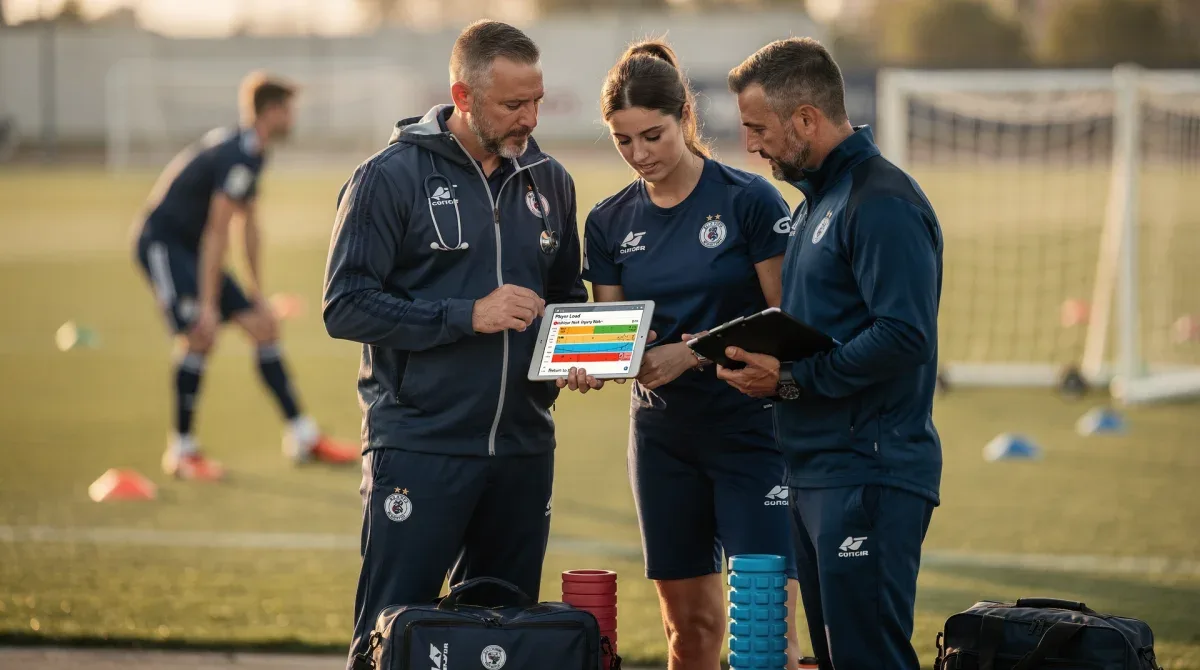
This seamless exchange of information fostered a truly collaborative environment, where decisions were made collectively, drawing on the expertise of each specialist. The medical team's proactive involvement extended to educating players on injury prevention strategies, proper warm-up and cool-down techniques, and the importance of reporting discomfort early. By empowering players with knowledge and fostering trust, they created a culture of shared responsibility for health and performance.
The multidisciplinary medical teams were not just reactive responders to injuries but proactive guardians of athlete health. Their ability to integrate diverse expertise, maintain open communication, and leverage data-driven insights was a cornerstone of the federations' success. This coordinated effort ensured that players received the highest standard of care, leading to faster and safer returns to play, and ultimately, a significant reduction in injury absences across the board.
Nutritional Strategies and Recovery Optimization
Beyond training and medical interventions, the 12 federations recognized the profound impact of nutrition and optimized recovery strategies on injury prevention. A well-fueled and properly recovered athlete is inherently more resilient to the stresses of elite soccer. Therefore, comprehensive nutritional guidance and sophisticated recovery protocols became non-negotiable components of their injury prevention frameworks.
Nutritionists within the multidisciplinary teams developed individualized dietary plans for players, tailored to their specific energy expenditure, body composition goals, and recovery needs. This wasn't just about general healthy eating; it involved precise macronutrient timing, micronutrient optimization, and targeted supplementation where necessary. For example, post-training nutrition focused on rapid carbohydrate replenishment and protein intake to kickstart muscle repair, while anti-inflammatory foods were emphasized to aid recovery.
Advanced Recovery Modalities
The federations invested in a range of advanced recovery modalities to accelerate physiological restoration and mitigate fatigue, which is a major precursor to injury.
- Cryotherapy and Cold Water Immersion: Used to reduce muscle soreness and inflammation after intense training or matches.
- Compression Garments: Applied to improve blood flow and reduce muscle oscillation during activity and aid recovery post-exercise.
- Sleep Optimization Programs: Educating players on sleep hygiene, creating optimal sleep environments, and monitoring sleep patterns to ensure adequate rest.
These recovery strategies were not applied uniformly but were integrated into individualized plans based on player load, travel schedules, and personal preferences. For instance, a player with a high-volume training week might have more frequent cryotherapy sessions, while another struggling with sleep due to travel might receive specific guidance from a sports psychologist and nutritionist. The goal was to minimize the cumulative fatigue that often leads to soft-tissue breakdowns.
Hydration strategies were also meticulously managed, with players undergoing regular hydration checks and receiving personalized fluid intake recommendations. The importance of gut health and its role in nutrient absorption and immune function was also emphasized, with dietary interventions aimed at supporting a healthy microbiome. By optimizing both nutrition and recovery, federations created an internal environment within the athletes that fostered resilience, improved physical performance, and significantly reduced susceptibility to soft-tissue injuries.
Educational Initiatives and Player Empowerment
A crucial, yet often underestimated, aspect of the successful injury prevention strategies implemented by the 12 federations was the emphasis on player education and empowerment. It's not enough to simply provide resources; players must understand the 'why' behind the protocols and be active participants in their own health management. This cultural shift from passive recipients to active collaborators played a significant role in reducing soft-tissue absences.
Federations developed comprehensive educational programs covering various aspects of athlete health. These sessions were delivered through workshops, one-on-one consultations, and digital resources. Topics included the biomechanics of common injuries, the importance of proper warm-up and cool-down routines, the role of nutrition in performance and recovery, and effective sleep strategies. The language used was accessible and practical, ensuring players could easily integrate the knowledge into their daily routines.
Fostering a Culture of Self-Care
Empowering players meant giving them the tools and knowledge to take ownership of their well-being. This involved teaching them to recognize early signs of fatigue or discomfort and to communicate these promptly with the medical team. The federations fostered an environment where reporting minor issues was encouraged, rather than seen as a sign of weakness, thereby preventing small niggles from escalating into significant injuries.
- Injury Surveillance Education: Teaching players to identify and report symptoms of muscle soreness, joint pain, or unusual fatigue.
- Recovery Protocol Adherence: Explaining the benefits of various recovery modalities and encouraging consistent application.
- Nutritional Literacy: Educating on food choices, meal timing, and hydration for optimal performance and injury resilience.
Furthermore, players were involved in the decision-making process regarding their training and rehabilitation plans. This collaborative approach increased adherence to programs, as players felt a sense of agency and understanding. For example, if a player expressed discomfort with a particular exercise, the medical and coaching staff would collaboratively find an alternative that achieved the same objective while respecting the player's feedback. This open dialogue built trust and reinforced the idea that player well-being was a shared responsibility.
The long-term benefits of these educational initiatives extended beyond immediate injury reduction. They equipped players with lifelong skills for managing their physical health, contributing to longer, more sustainable careers. By empowering players with knowledge and fostering a proactive mindset towards self-care, the federations built a resilient athlete population, further cementing the success of their injury prevention programs and contributing significantly to the 22% reduction in soft-tissue absences.
Sustaining Success: Long-Term Monitoring and Adaptation
Achieving a 22% reduction in soft-tissue absences is a remarkable feat, but sustaining this success requires continuous effort, vigilance, and a commitment to ongoing adaptation. The 12 federations understood that injury prevention is not a static endeavor; it demands constant evaluation, refinement, and responsiveness to new challenges and scientific advancements. Their long-term strategy focused on embedding these practices into the very culture of their organizations.
Regular reviews of injury data were a cornerstone of this sustained effort. Federations continuously collected and analyzed new injury statistics, comparing them against established benchmarks and looking for emerging patterns or shifts in injury types. This ongoing surveillance allowed them to identify areas where existing protocols might be falter or where new risks were appearing. For instance, if a new type of soft-tissue injury began to show an upward trend, the medical and performance teams would immediately investigate potential causes and implement targeted interventions.
Research and Innovation Integration
Staying at the forefront of sports science and medicine was another critical component of sustaining success. These federations actively engaged with research institutions and embraced innovative technologies and methodologies.
- Pilot Programs for New Technologies: Experimenting with novel wearable sensors, recovery tools, or diagnostic techniques to assess their efficacy.
- Internal Research Projects: Conducting their own studies on specific injury mechanisms or prevention strategies relevant to their player population.
- Professional Development: Ensuring medical and performance staff regularly attended conferences, workshops, and continued education courses to stay updated on best practices.
The commitment to innovation ensured that their injury prevention strategies remained cutting-edge and effective against evolving demands of the sport. For example, as match schedules became more congested, federations adapted their load management and recovery protocols to account for increased travel and reduced rest periods. This adaptability was crucial in maintaining the positive trajectory of injury reduction.
Furthermore, the federations fostered a culture of continuous feedback, encouraging players, coaches, and staff to provide input on the effectiveness of current programs. This open dialogue facilitated incremental improvements and ensured that strategies remained practical and player-centric. By integrating long-term monitoring, embracing research and innovation, and fostering a culture of continuous improvement, these federations not only achieved a significant reduction in soft-tissue injuries but also established a sustainable model for athlete welfare that continues to deliver results over time. This unwavering commitment to excellence ensures that players are consistently at their best, both physically and mentally, for the demands of international soccer.
The Future of Injury Prevention in Soccer
The remarkable achievement of 12 federations in reducing soft-tissue absences by 22% serves as a powerful testament to the efficacy of integrated, data-driven injury prevention strategies. This success story offers a clear roadmap for other sporting organizations seeking to optimize athlete welfare and enhance performance. The future of injury prevention in soccer will undoubtedly build upon these foundations, pushing the boundaries of sports science and medicine even further.
Looking ahead, we can expect to see even more sophisticated predictive analytics, potentially leveraging artificial intelligence and machine learning to identify individual injury risks with greater precision. Genetic profiling and advanced physiological markers may also play a more prominent role, allowing for truly hyper-personalized training and recovery interventions. The emphasis will continue to be on proactive, individualized care, moving even further away from reactive treatment.
The ongoing integration of mental health support will also become increasingly vital. Recognizing the intricate link between psychological well-being and physical injury, future prevention programs will likely incorporate more robust mental resilience training, stress management techniques, and psychological screening to address the holistic needs of athletes. The understanding that a healthy mind contributes significantly to a healthy body will drive further advancements in this area.
Furthermore, technology will continue to evolve, offering new tools for monitoring and intervention. Imagine smart garments embedded with biosensors providing real-time physiological feedback, or virtual reality platforms for rehabilitation that make recovery more engaging and effective. These innovations will empower medical teams and athletes alike, providing unprecedented insights and control over physical performance and injury risk.
Ultimately, the success achieved by these 12 federations underscores a fundamental truth: investing in athlete health is not merely a cost but a strategic investment that yields substantial returns in terms of player availability, performance, and career longevity. The lessons learned from this 22% reduction will undoubtedly shape the next generation of injury prevention protocols, ensuring that soccer remains a sport where athletes can perform at their peak, safely and sustainably, for years to come. The journey towards zero preventable injuries continues, driven by science, collaboration, and an unwavering commitment to the well-being of every player.
| Key Strategy | Brief Impact |
|---|---|
| Data-Driven Monitoring | Identifies injury risks proactively through workload and biomechanical analysis. |
| Tailored Training Programs | Optimizes individual player development and minimizes overload with personalized plans. |
| Multidisciplinary Medical Teams | Provides holistic athlete care, integrating expertise for prevention and recovery. |
| Player Education & Empowerment | Fosters self-care and early reporting, preventing minor issues from escalating. |
Frequently Asked Questions About Soccer Injury Prevention
What types of injuries did the federations primarily reduce?▼The federations primarily focused on reducing soft-tissue injuries, which include muscle strains (like hamstrings and quadriceps), ligament sprains, and tendon issues. These types of injuries account for a significant portion of player absences in professional soccer due to their high incidence and potential for recurrence.
How critical is data analysis in preventing soccer injuries?▼Data analysis is extremely critical. It allows federations to monitor player workload, identify high-risk factors, and predict potential injury scenarios. By analyzing metrics from GPS trackers and biomechanical screenings, medical teams can tailor individual training and recovery plans, moving from reactive treatment to proactive prevention.
What role do multidisciplinary teams play in injury reduction?▼Multidisciplinary teams, including physicians, physiotherapists, strength coaches, and nutritionists, provide comprehensive, integrated care. Their collaborative approach ensures all aspects of an athlete's physical and mental health are managed, from initial assessment to rehabilitation and return-to-play, minimizing communication gaps and maximizing effectiveness.
Are individualized training programs really more effective than general ones?▼Absolutely. Individualized training programs are far more effective because they address each player's unique strengths, weaknesses, and injury history. This tailored approach optimizes performance while carefully managing training loads, ensuring players are challenged appropriately without being pushed beyond their adaptive capacity, thus reducing injury risk.
How important is player education in preventing injuries?▼Player education is paramount. By empowering athletes with knowledge about injury mechanisms, proper recovery, and self-care, federations foster a culture of ownership over their health. This encourages early reporting of minor issues, preventing them from escalating into significant injuries and promoting long-term career sustainability.
Conclusion
The success of 12 international soccer federations in achieving a 22% reduction in soft-tissue absences stands as a powerful testament to the efficacy of a comprehensive, integrated approach to injury prevention. This achievement was not the result of a single intervention but a synergistic combination of data-driven monitoring, tailored training programs, multidisciplinary medical teams, optimized nutritional and recovery strategies, and robust player education. By prioritizing proactive measures and fostering a culture of athlete well-being, these federations have not only safeguarded their players' health but also enhanced overall team performance and player availability. The blueprint established by these leading federations offers invaluable insights for the broader sports community, demonstrating that significant reductions in injury rates are attainable through dedicated, evidence-based practices.
