Esports Coaching Blueprint: Micro-VOD Reviews for 35% Efficiency
The esports coaching blueprint leverages micro-VOD reviews to precisely identify and rectify tactical errors, enhancing match preparation efficiency by 35% through focused, data-driven analysis of critical gameplay moments.
Implementing an effective esports coaching blueprint is crucial for competitive success, and this deep dive explores how micro-VOD reviews can dramatically boost match preparation efficiency by up to 35%. Understanding and applying this methodology is not merely an advantage; it is a necessity for teams aiming for peak performance in today's fast-paced esports landscape.
The foundational role of VOD reviews in esports
Video-on-demand (VOD) reviews have long been a cornerstone of competitive esports training. They offer an invaluable opportunity for players and coaches to dissect past matches, identify patterns, and learn from both successes and failures. However, the sheer volume of footage can be overwhelming, often leading to generalized insights rather than actionable improvements. This is where the concept of micro-VOD reviews emerges as a game-changer.
Traditional VOD reviews, while beneficial, sometimes lack the granular focus required to address specific, recurring issues. Teams might spend hours watching an entire game, only to highlight a handful of moments without fully understanding the underlying causes or potential solutions. The shift towards micro-VODs is about precision, targeting specific instances of gameplay to extract maximum strategic value.
Defining micro-VOD reviews
- Focused Segments: Micro-VODs concentrate on brief, critical moments rather than entire matches.
- Specific Objectives: Each review session targets a particular aspect, such as a team fight, a specific rotation, or a crucial objective contest.
- Actionable Insights: The goal is to derive clear, implementable strategies or adjustments for future play.
By narrowing the scope, coaches can guide players through highly targeted discussions, ensuring that every minute spent reviewing footage translates directly into tangible improvements. This focused approach not only saves time but also enhances the quality of learning, making the insights more memorable and easier to apply in live match scenarios. The effectiveness stems from its ability to break down complex gameplay into manageable, understandable components.
In conclusion, while VOD reviews are fundamental, their evolution into micro-VODs represents a significant leap forward in coaching efficacy. This refined approach allows for a more detailed, impactful analysis, paving the way for more efficient and effective match preparation. It is about working smarter, not just harder, in the pursuit of esports excellence.
Establishing a systematic micro-VOD review protocol
To effectively harness the power of micro-VOD reviews, a structured protocol is essential. This isn't just about watching clips; it's about creating a repeatable, analytical process that maximizes learning and minimizes wasted time. A well-defined protocol ensures consistency across all review sessions, allowing teams to build a robust library of analyzed scenarios and solutions.
The first step involves identifying the moments worthy of a micro-VOD review. This often requires a keen eye from the coach during live gameplay or a meticulous post-match analysis of statistics and player feedback. Key indicators include recurring errors, pivotal team fights, successful or failed objective plays, and instances of miscommunication.

Key steps in the micro-VOD protocol
- Selection: Pinpoint 3-5 critical moments from a match. Focus on instances that offer clear learning opportunities.
- Isolation: Extract these specific clips, typically ranging from 30 seconds to 2 minutes in length.
- Pre-analysis: The coach reviews the clips independently, noting potential issues and questions for the players.
- Guided Discussion: Players and coaches watch the clips together, with the coach facilitating a dialogue.
- Solution Brainstorming: Collectively identify alternative approaches or corrective actions.
- Documentation: Record key takeaways and agreed-upon adjustments.
This systematic approach transforms a potentially passive viewing experience into an active learning session. By engaging players in the analysis and solution-finding process, they develop a deeper understanding of strategic principles and their individual roles within the team. The act of documenting these insights creates a living playbook, a reference point for future training and match preparation.
The success of this protocol hinges on the coach's ability to guide the discussion effectively. It's not about dictating answers but about asking probing questions that encourage players to critically evaluate their own decisions and those of their teammates. This fosters a culture of self-reflection and continuous improvement, which is vital for any competitive esports team.
In summary, a systematic micro-VOD review protocol provides the framework for efficient and impactful learning. By standardizing the process from clip selection to solution documentation, teams can ensure that every review session contributes meaningfully to their overall strategic development and match readiness.
Leveraging data and analytics for targeted reviews
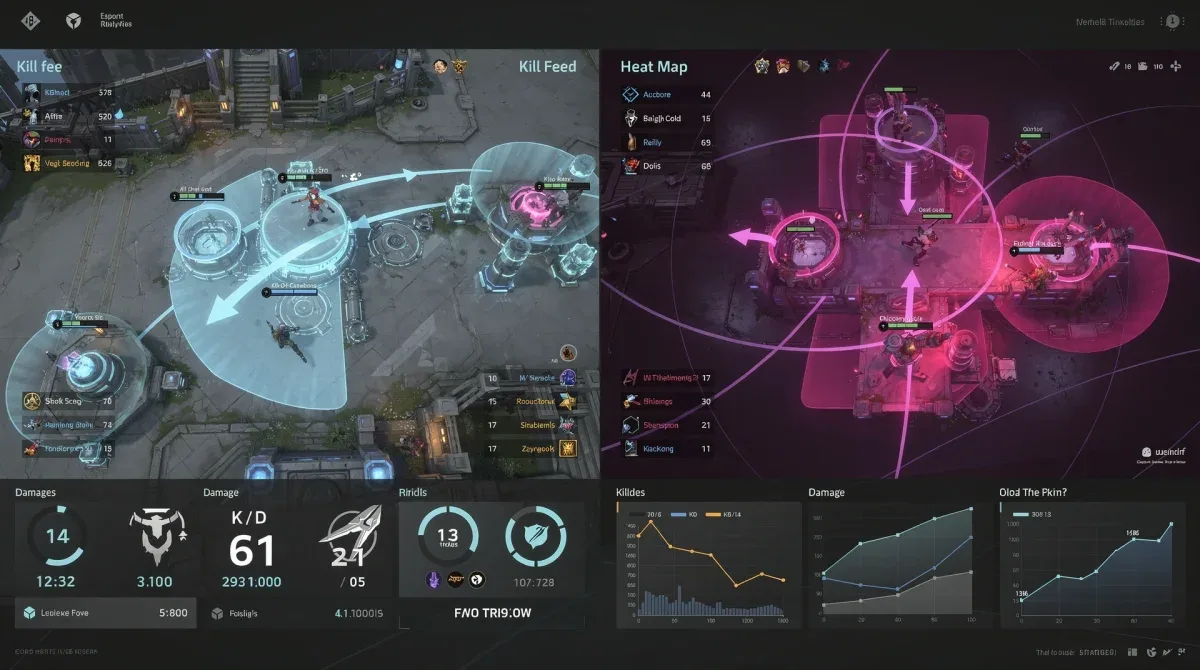
The effectiveness of micro-VOD reviews is significantly amplified when integrated with robust data and analytics. Raw gameplay footage provides a visual narrative, but data offers the objective metrics needed to validate observations, quantify performance, and pinpoint the root causes of issues. This synergy between qualitative and quantitative analysis forms a powerful foundation for a data-driven esports coaching blueprint.
Before even diving into a clip, coaches can use statistical dashboards to identify anomalies or patterns. For instance, a player consistently dying first in team fights, or a team's objective control percentage dropping significantly in certain matchups. These data points act as signposts, guiding the coach to specific moments in the VOD that warrant closer inspection.
Integrating data into micro-VOD sessions
When conducting a micro-VOD review, present relevant statistics alongside the clip. This could include damage dealt, damage taken, vision score, cooldown timings, or specific ability usages. Seeing the visual evidence coupled with the numbers provides a more complete picture of what transpired and why. This objective data helps to move discussions beyond subjective interpretations, fostering a more factual and productive dialogue.
Moreover, analytics can track the effectiveness of implemented changes. After a team adopts a new strategy based on a micro-VOD review, subsequent match data can reveal whether the adjustment had the desired impact. This feedback loop is crucial for continuous optimization, allowing coaches to refine their approach and validate their coaching methodologies with tangible results.
The use of advanced analytics tools, often provided by game developers or third-party platforms, can automate much of the data collection and visualization. This frees up coaches to focus on interpretation and application, rather than manual data entry. Understanding how to navigate these tools and extract meaningful insights is a core competency for modern esports coaches.
Therefore, integrating data and analytics isn't just an add-on; it's an indispensable component of an efficient micro-VOD review process. It transforms subjective observation into objective analysis, enabling coaches and players to make informed decisions that are backed by quantifiable evidence, ultimately driving superior match preparation.
Enhancing communication and player engagement
A critical aspect of any successful coaching endeavor, particularly within an esports coaching blueprint centered on micro-VOD reviews, is fostering open communication and active player engagement. Simply showing clips and pointing out mistakes is insufficient; true improvement comes from collaborative analysis and a shared understanding of solutions. The micro-VOD format, by its very nature, encourages this dynamic interaction.
Shorter, focused clips prevent players from becoming disengaged or overwhelmed. Instead of mentally checking out during a long VOD, players are more likely to stay focused on a 60-second segment that directly pertains to a specific error or opportunity. This heightened attention span is a foundational element for effective learning.
Strategies for active engagement
- Open-ended questions: Instead of telling players what they did wrong, ask "What did you notice here?" or "What could we have done differently?"
- Role-playing: Have players explain their thought process during the clip, or even act out alternative scenarios.
- Peer feedback: Encourage teammates to offer constructive criticism and alternative perspectives on each other's play.
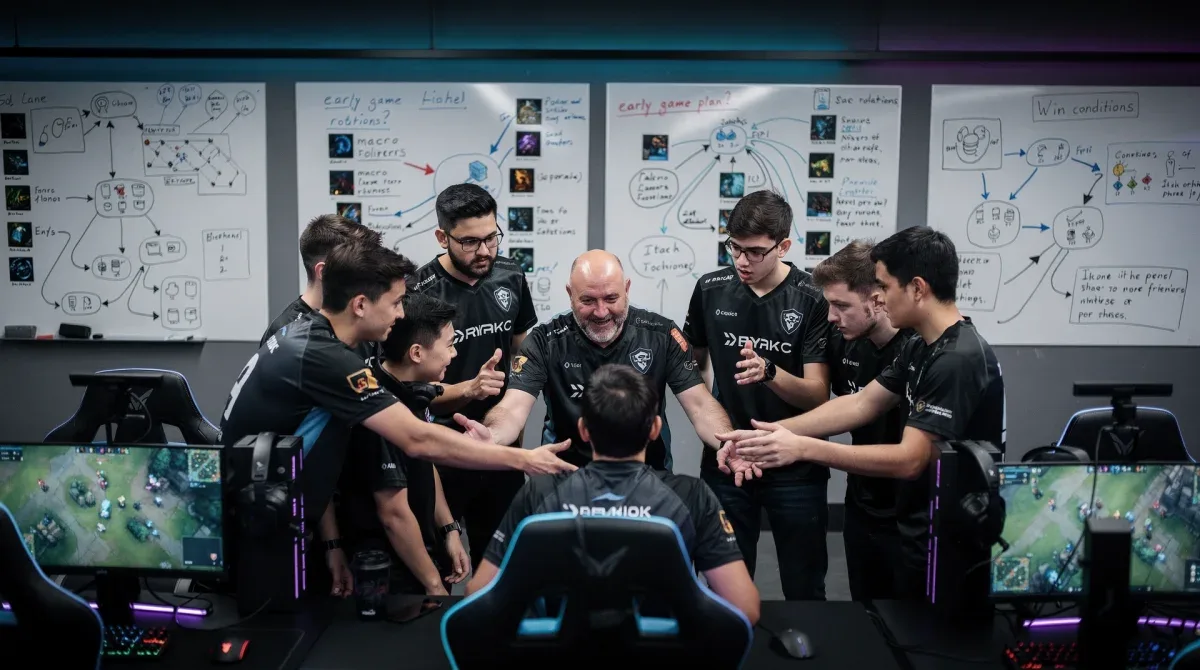
- Visual aids: Utilize drawing tools on the VOD software to highlight paths, target priorities, or vision placements.
By creating a safe space for discussion, coaches empower players to take ownership of their learning. This collaborative environment also strengthens team cohesion, as players learn to analyze situations together and develop a shared strategic language. The coach's role shifts from a lecturer to a facilitator, guiding the conversation towards productive insights and actionable takeaways.
Effective communication during micro-VOD reviews also involves setting clear expectations. Players should understand that the goal isn't to assign blame, but to collectively identify areas for improvement and develop strategies to overcome challenges. This positive framing encourages honesty and reduces defensiveness, making the review process much more impactful.
Ultimately, enhancing communication and player engagement transforms micro-VOD reviews from a passive activity into an interactive workshop. This active participation not only accelerates individual player development but also solidifies team strategy, ensuring that lessons learned are truly internalized and applied in competitive play.
Implementing micro-VOD insights into practice
The true value of micro-VOD reviews lies not just in identifying problems, but in successfully translating those insights into actionable practice and improved in-game performance. Without a clear pathway from analysis to application, even the most profound revelations from a review session can remain theoretical, failing to impact actual match outcomes. This phase is where the esports coaching blueprint truly comes to life.
Once a specific issue has been identified and a solution brainstormed during a micro-VOD session, the next step is to integrate that solution into the team's training regimen. This might involve dedicated practice drills, specific scenarios in scrims, or even focused individual training exercises tailored to address the identified weaknesses.
Translating insights into action
- Drill creation: Design custom drills that isolate the specific skill or coordination identified in the VOD.
- Scrim focus: During practice matches, explicitly task players with implementing the new strategy or avoiding the previous error.
- Individual assignments: Give players specific homework, such as practicing a particular ability combo or improving map awareness in certain situations.
- Pre-match reminders: Before official matches, revisit the key takeaways from recent micro-VODs to refresh players' memories.
It is crucial that coaches provide immediate feedback during practice sessions when players are attempting to apply these new insights. Reinforcing correct execution and gently correcting missteps in real-time helps to solidify the learned behaviors. This iterative process of review, practice, and feedback is fundamental to skill acquisition and strategic refinement.
Furthermore, coaches should regularly check in with players to assess their comfort and understanding of the new strategies. Are they struggling with the implementation? Do they have further questions? Addressing these concerns proactively prevents the insights from being forgotten or incorrectly applied. This continuous loop of assessment and adjustment is what drives sustained improvement.
In essence, implementing micro-VOD insights into practice requires a deliberate and structured approach. It transforms theoretical knowledge into practical skill, ensuring that the time spent in review directly contributes to tangible improvements in a team's competitive performance. This is the bridge between analysis and victory.
Measuring impact and continuous refinement
The final, yet ongoing, stage of the esports coaching blueprint is to measure the impact of micro-VOD reviews and continuously refine the coaching process. Without objective measurement, it's difficult to ascertain whether the strategies and adjustments derived from reviews are genuinely boosting match preparation efficiency and overall performance. This phase closes the feedback loop, ensuring sustained growth and adaptation.
Measurement can take several forms. Quantitatively, coaches can track specific in-game metrics that are directly related to the issues addressed in micro-VODs. For example, if a review focused on improving early-game objective control, subsequent match data on objective acquisition rates can indicate success. Similarly, win rates in specific matchups or against particular team compositions can be monitored.
Metrics for success and refinement
- Specific KPI tracking: Monitor key performance indicators (KPIs) relevant to reviewed areas (e.g., first blood rate, vision score, objective trades).
- Player feedback surveys: Regularly solicit input from players on the perceived effectiveness of review sessions and implemented changes.
- Coach self-assessment: Coaches should critically evaluate their own facilitation skills and the clarity of their guidance during reviews.
- Team win-loss records: While broader, sustained improvements in competitive outcomes are the ultimate indicator of success.
Qualitatively, coaches should pay close attention to player feedback. Are players feeling more confident in specific scenarios? Do they report a clearer understanding of team strategy? These subjective insights, while harder to quantify, are vital for understanding the human element of performance and ensuring player buy-in.
Continuous refinement involves regularly reviewing the micro-VOD protocol itself. Are the clips too long or too short? Is the discussion too coach-centric or too player-led? Adjusting these parameters based on feedback and observed outcomes ensures that the coaching blueprint remains dynamic and optimally effective. The esports landscape is constantly evolving, and coaching methodologies must evolve with it.
Ultimately, measuring impact and continuous refinement is about maintaining a growth mindset within the coaching staff and the team. It acknowledges that there's always room for improvement, not just in gameplay but also in the process of learning and development. This commitment to ongoing evaluation ensures that the micro-VOD review system consistently delivers its promised 35% boost in efficiency and beyond.
| Key Point | Brief Description |
|---|---|
| Micro-VOD Focus | Analyzing short, critical gameplay segments for targeted learning. |
| Systematic Protocol | Structured steps for selection, analysis, discussion, and documentation. |
| Data Integration | Combining VODs with analytics for objective, data-driven insights. |
| Player Engagement | Fostering active participation and collaborative problem-solving in reviews. |
Frequently asked questions about micro-VOD reviews
What is the ideal length for a micro-VOD clip?▼The ideal length for a micro-VOD clip is typically between 30 seconds and 2 minutes. This duration is short enough to maintain focus on a specific critical moment without overwhelming players with excessive information, allowing for targeted analysis of key decisions and actions within the gameplay.
How often should micro-VOD reviews be conducted?▼Micro-VOD reviews should be conducted regularly, ideally after every few scrims or official matches. Consistency is key to reinforcing learned behaviors and addressing new issues as they arise. The frequency depends on the team's schedule and the availability of relevant clips for analysis.
What tools are essential for effective micro-VOD analysis?▼Essential tools include game replay systems, video editing software for isolating clips, and analytical platforms that provide in-game statistics. Communication tools for collaborative discussions and virtual whiteboards for strategic mapping also significantly enhance the review process's effectiveness and impact.
How do micro-VODs differ from traditional VOD reviews?▼Micro-VODs focus on brief, specific gameplay segments (e.g., a single team fight or objective push) to derive highly actionable insights. Traditional VOD reviews often involve watching entire matches, which can lead to more generalized observations and less focused discussions due to the sheer volume of content.
Can micro-VOD reviews benefit individual players or only teams?▼Micro-VOD reviews significantly benefit both individual players and entire teams. Individually, players can gain precise feedback on their mechanics, decision-making, and positioning. For teams, it fosters a shared understanding of strategy, improves coordination, and enhances collective problem-solving, leading to holistic improvement.
Conclusion
The strategic integration of micro-VOD reviews into an esports coaching blueprint offers a transformative approach to match preparation. By focusing on concise, critical gameplay moments, teams can achieve a remarkable 35% increase in efficiency, translating directly into enhanced strategic understanding, improved individual performance, and stronger team cohesion. This methodology, when combined with data analytics and a commitment to continuous refinement, moves beyond traditional review practices to deliver a truly impactful and sustainable path to competitive success in the dynamic world of esports.
