USL Championship Pro/Rel Vote: 2026 Roadmap Explained
The USL Championship's promotion-relegation vote introduces a multi-tier 2026 roadmap, fundamentally altering the landscape of professional soccer in the United States by creating a dynamic system of movement between divisions.
The landscape of American professional soccer is on the cusp of a historic transformation. With the highly anticipated vote on USL promotion relegation, the USL Championship is poised to implement a multi-tier 2026 roadmap that could redefine competition and opportunity within the sport. This decision carries profound implications, promising to inject new levels of excitement and strategic depth into the league structure.
The Genesis of Promotion and Relegation in USL
The concept of promotion and relegation, a cornerstone of global soccer, has long been a topic of fervent discussion in the United States. For years, the American professional soccer pyramid has operated on a largely closed system, where teams maintain their league status regardless of on-field performance. This structure, while providing stability, has often been critiqued for limiting competitive incentive and hindering the organic growth seen in other soccer nations.
The USL, recognizing the evolving desires of fans and stakeholders, has diligently explored models that could introduce this dynamic element. This exploration wasn't a sudden whim but a deliberate, multi-year process involving extensive research, consultations with international experts, and careful consideration of the unique challenges and opportunities within the American sports market. The goal has always been to find a sustainable and equitable path forward that enhances competition without jeopardizing the stability of existing clubs.
Historical Context of American Soccer Structure
- Closed System Dominance: Historically, American sports leagues, including early soccer iterations, adopted a franchise model emphasizing stability over fluidity.
- MLS Influence: Major League Soccer (MLS) cemented the single-entity, closed-league approach, influencing subsequent professional soccer development.
- USL's Growth: The USL, particularly the Championship, grew as a robust second division, building infrastructure and fan bases across the nation.
The journey to this vote has been complex, requiring a delicate balance between tradition and innovation. The USL's commitment to a multi-tier system reflects a broader ambition to align American soccer more closely with global standards, fostering a more meritocratic and exhilarating environment for players, clubs, and supporters alike. The impending vote is not merely a procedural step; it is a declaration of intent to fundamentally alter the competitive fabric of professional soccer in the U.S.
Understanding the Multi-Tier 2026 Roadmap
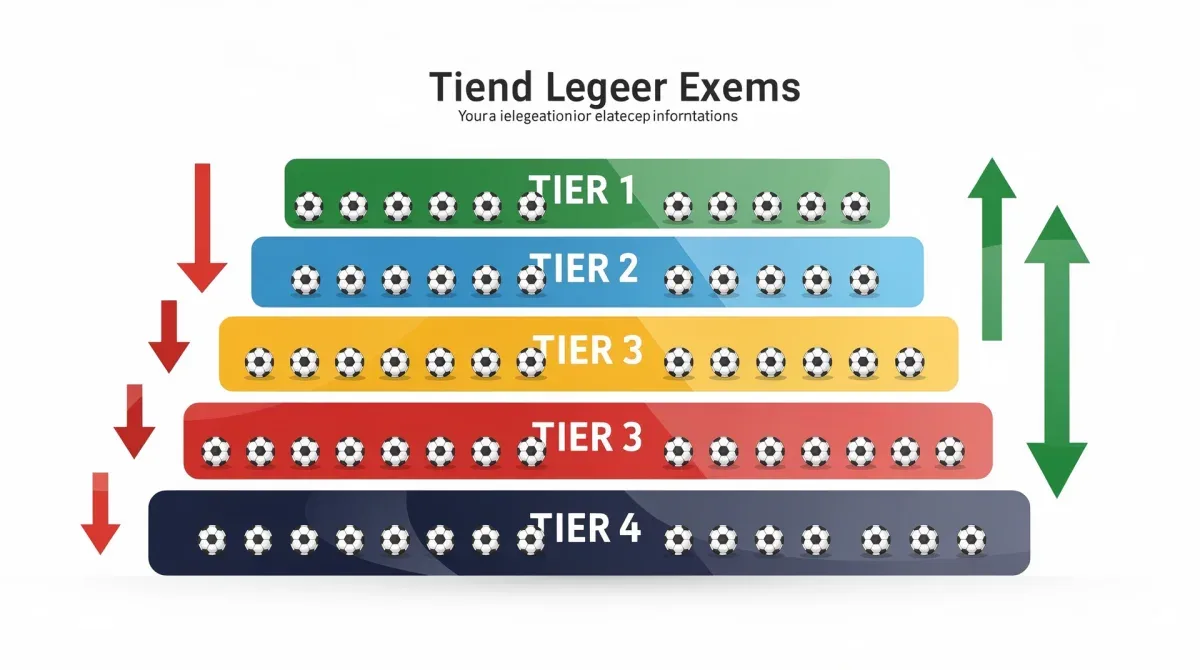
The proposed 2026 roadmap for the USL Championship is more than just an abstract idea; it's a meticulously planned framework designed to integrate promotion and relegation into the existing USL ecosystem. This roadmap envisions a connected pyramid of leagues, where success on the field can lead to advancement, and underperformance carries the risk of demotion. The year 2026 is significant, aligning with the FIFA World Cup hosted in North America, providing a potent backdrop for this transformative change.
The plan outlines a phased implementation, ensuring that clubs have ample time to prepare for the new competitive realities. It's not about immediate upheaval but a gradual evolution, allowing for infrastructure development, strategic planning, and financial adjustments across all tiers. This thoughtful approach aims to mitigate potential negative impacts while maximizing the benefits of a dynamic league system. The roadmap is expected to detail the number of teams promoted and relegated annually, the criteria for movement, and the financial mechanisms to support clubs in both ascending and descending divisions.
Key Components of the 2026 Roadmap
- Phased Implementation: A gradual introduction of pro/rel to allow clubs to adapt.
- Defined Tiers: Clear delineation of divisions within the USL pyramid.
- Sporting Merit: On-field performance as the primary determinant for movement between tiers.
- Financial Stability: Mechanisms to ensure clubs can sustain competition at different levels.

The multi-tier system is expected to foster intense competition throughout the season, as every match could have significant implications for a team's standing. This will not only elevate the quality of play but also heighten fan engagement, as the stakes for every club, from the top of the table to the bottom, will be dramatically increased. The roadmap is a blueprint for a more vibrant, interconnected, and ultimately more exciting American soccer landscape, with the USL at its forefront.
The Vote: Stakeholders and Their Perspectives
The USL Championship promotion-relegation vote is a critical juncture, and its outcome depends on the collective will of various stakeholders. These include club owners, league officials, players, coaches, and, crucially, the fan base. Each group brings its own set of concerns, aspirations, and perspectives to the table, making the voting process a complex interplay of interests.
Club owners, for instance, weigh the potential for increased revenue and prestige against the financial risks associated with relegation and the investment required to compete at a higher level. League officials are tasked with balancing competitive integrity with the overall health and sustainability of the entire USL ecosystem. Players and coaches often advocate for systems that reward performance and provide clear pathways for career progression, while fans are eager for a more compelling and globally aligned soccer experience.
Arguments For Promotion and Relegation
Proponents highlight several key benefits that a pro/rel system could introduce:
- Enhanced Competition: Every game matters, from the top to the bottom of the table, combating late-season apathy.
- Increased Fan Engagement: Higher stakes mean more passionate support and interest in all matches.
- Player Development: Creates clear pathways for talent, rewarding performance and providing opportunities at higher levels.
- Global Alignment: Brings American soccer closer to the worldwide standard, potentially attracting more international talent and investment.
- Club Incentive: Motivates clubs to invest in infrastructure, youth academies, and player acquisition to achieve promotion or avoid relegation.
Conversely, concerns often revolve around financial stability and the potential for established clubs to face significant setbacks. The vote represents a pivotal moment where these diverse viewpoints must converge to forge a path forward that serves the best interests of American soccer as a whole.
Potential Impact on USL Championship Clubs
The implementation of promotion and relegation will undoubtedly have a profound and multifaceted impact on all USL Championship clubs. For teams vying for promotion, the stakes will be incredibly high, transforming every match into a potential step towards elite status. This could lead to increased investment in player talent, coaching staff, and facilities, as clubs strive to gain a competitive edge and secure a spot in a higher division. The allure of promotion could also attract new investors and sponsors, eager to be associated with successful, ambitious clubs.
On the other hand, clubs at the lower end of the table will face the daunting prospect of relegation. This necessitates a heightened focus on sustained performance and strategic planning to avoid dropping to a lower tier. The pressure to stay up could lead to more competitive matches, but also presents financial challenges if revenue streams are tied to league status. Clubs will need robust business models and strong community support to navigate these new dynamics successfully.
Strategic Adjustments for Clubs
- Financial Planning: Developing contingency plans for both promotion and relegation scenarios.
- Squad Building: Focusing on depth and quality to compete consistently over an entire season.
- Youth Development: Investing in academies to cultivate homegrown talent, a cost-effective strategy for long-term success.
- Fan Engagement: Strengthening ties with supporters to ensure consistent attendance and merchandise sales, regardless of league position.
The shift to a pro/rel system will demand a new level of strategic thinking from club management. It will force clubs to operate with a long-term vision, balancing immediate results with sustainable growth. The competitive intensity is expected to rise significantly, creating a more dynamic and unpredictable league where every point truly matters. This evolution will test the resilience and adaptability of every club within the USL Championship.
Economic and Fan Engagement Implications
The economic ramifications of introducing promotion and relegation are significant and extend far beyond individual clubs. A multi-tier system can create a ripple effect throughout the entire USL ecosystem. Increased competition typically correlates with higher attendance figures and greater media interest. The drama of a promotion race or a relegation battle can captivate audiences, leading to higher viewership numbers for broadcasts and increased ticket sales. This, in turn, can attract more national and local sponsors, boosting league-wide revenues.
However, there are also economic risks. Relegated clubs might experience a dip in revenue, impacting their operational budgets. The league will need to implement robust financial parachute payments or solidarity mechanisms to help mitigate these impacts and ensure the stability of clubs moving between divisions. This ensures that the system is not only competitively fair but also economically sustainable for all participants.
Boosting Fan Involvement
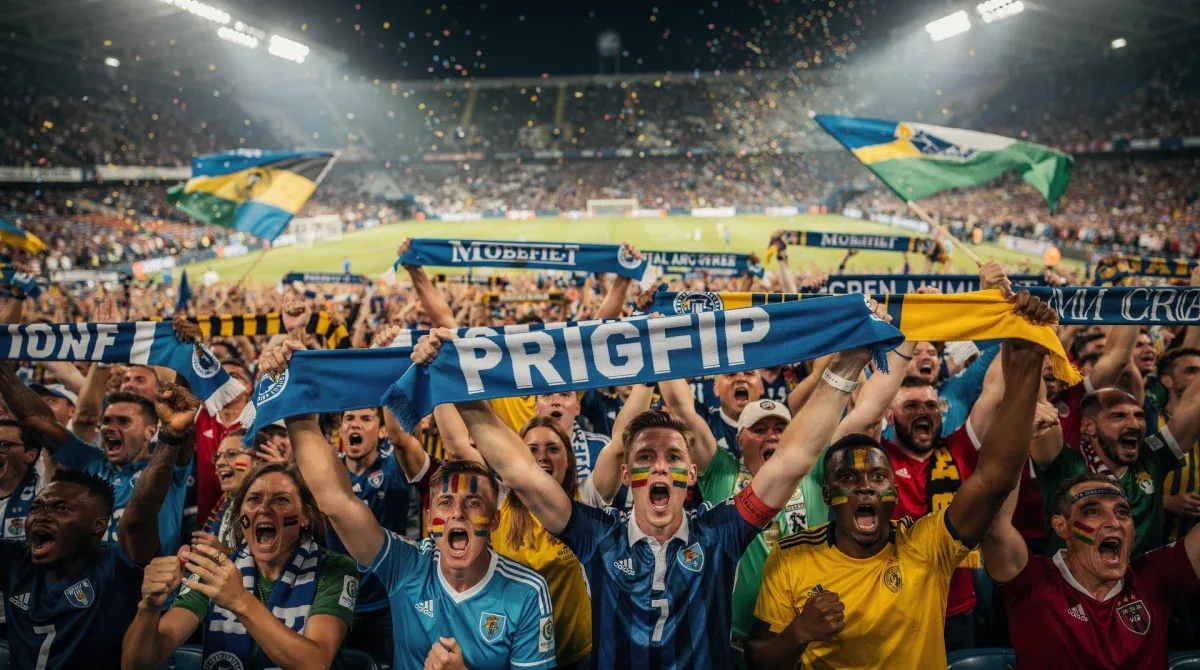
From a fan engagement perspective, promotion and relegation are game-changers:
- Heightened Stakes: Every match gains increased importance, keeping fans invested throughout the season.
- Local Rivalries: The potential for clubs from different tiers to meet in cup competitions or ascend/descend together could intensify local rivalries.
- Narrative Richness: Creates compelling storylines of triumph and despair, making the league more dramatic and engaging.
- Increased Media Attention: The inherent drama of pro/rel attracts more media coverage, exposing the league to a wider audience.
Ultimately, the economic and fan engagement implications are intertwined. A more exciting, high-stakes league will naturally draw more attention and investment, creating a virtuous cycle of growth and popularity. The USL's move towards promotion and relegation is a strategic play to unlock this potential, aiming to elevate American soccer's profile both domestically and internationally.
Challenges and Opportunities for American Soccer
Implementing promotion and relegation in the USL Championship presents a unique set of challenges alongside significant opportunities for American soccer. One primary challenge is navigating the vast geographical expanse of the United States, which can make travel and logistics for a fluid, multi-tier system more complex than in smaller countries. Ensuring equitable travel burdens and maintaining competitive balance across diverse regions will require careful planning and innovative solutions.
Another challenge lies in the financial stability of clubs. Unlike European leagues with established revenue streams from top-tier football, American lower-division clubs often operate on tighter budgets. The potential for relegation could pose financial risks, requiring the USL to develop robust solidarity payments or other support mechanisms to help clubs adapt. This is crucial to prevent clubs from collapsing due to a single season of poor performance.
Seizing the Opportunities
- Talent Pathway: Creates a clearer, more meritocratic pathway for players to advance through the ranks, fostering domestic talent development.
- Increased Investment: Attracts new investors who see the potential for growth and reward in a dynamic league structure.
- Global Credibility: Enhances the credibility of American soccer on the international stage, aligning it with global football norms.
- Fan Base Expansion: The added excitement and drama of pro/rel can draw in new fans and solidify the loyalty of existing supporters.
Despite these challenges, the opportunities are immense. A promotion-relegation system can ignite a new era of competitiveness, foster deeper community engagement with local clubs, and ultimately elevate the overall quality and profile of American soccer. It represents a bold step towards a more globally integrated and exciting future for the sport in the United States, positioning the USL as a pioneer in this transformative journey.
| Key Aspect | Brief Description |
|---|---|
| Promotion/Relegation | System where teams move between leagues based on performance, replacing a closed league model. |
| 2026 Roadmap | The planned multi-year framework for implementing pro/rel in the USL, aligning with the World Cup. |
| Stakeholder Perspectives | Varying views from owners, players, and fans on the benefits and risks of the new system. |
| Economic Impact | Potential for increased revenue and fan engagement, alongside financial risks for relegated clubs. |
Frequently Asked Questions About USL Promotion-Relegation
What is promotion and relegation in soccer?▼Promotion and relegation is a system where teams move between different divisions of a league based on their performance. Successful teams in a lower division are promoted to a higher one, while underperforming teams in a higher division are relegated to a lower one. This creates continuous competitive incentive.
Why is the USL considering promotion and relegation now?▼The USL is exploring pro/rel to enhance competitive intensity, align American soccer with global standards, and increase fan engagement. There's a growing desire among stakeholders for a more dynamic league structure that rewards on-field merit and creates compelling narratives throughout the season.
What does the 'Multi-Tier 2026 Roadmap' entail?▼The 2026 roadmap outlines a phased implementation plan for promotion and relegation within the USL's pyramid. It details the structure of connected leagues, criteria for movement, and support mechanisms to ensure sustainability. The year 2026 marks a target for significant changes to be in effect.
How will promotion and relegation affect USL club finances?▼It could lead to increased revenue for promoted clubs through higher media attention and attendance, but also poses financial risks for relegated teams. The USL plans to implement solidarity payments or other financial assistance to help clubs manage transitions and maintain stability across all tiers.
What are the benefits for fans of a pro/rel system?▼Fans benefit from heightened stakes in every match, from title races to relegation battles, making the season more exciting and unpredictable. It also fosters deeper rivalries, creates more compelling storylines, and potentially elevates the overall quality and visibility of American soccer.
Conclusion
The USL Championship's impending vote on promotion and relegation, and the subsequent multi-tier 2026 roadmap, represents a watershed moment for American professional soccer. This initiative promises to infuse the sport with unparalleled competitive intensity, aligning it more closely with global footballing traditions. While challenges related to logistics and financial stability will undoubtedly arise, the potential for increased fan engagement, enhanced player development, and a more dynamic league structure offers a compelling vision for the future. This strategic shift could fundamentally redefine success and failure in the USL, fostering a richer, more exciting, and ultimately more rewarding experience for everyone involved in the beautiful game.
