NBA Second Apron Penalties: 2026 Trade Restrictions
The NBA's second apron penalties, effective in 2026, will significantly alter how teams manage their rosters and execute trades by imposing severe financial and transactional restrictions on franchises exceeding a specific luxury tax threshold.
The landscape of professional basketball is on the cusp of a transformative shift with the impending implementation of the NBA second apron penalties. Set to profoundly restrict team trades and roster construction starting in 2026, these new luxury tax thresholds will reshape how franchises operate, forcing a reevaluation of traditional team-building philosophies. Are teams ready for this seismic change?
Understanding the NBA's Luxury Tax System
The NBA's luxury tax system has long been a mechanism to promote competitive balance, penalizing teams that spend excessively on player salaries. However, the latest collective bargaining agreement (CBA) introduces a more stringent framework, creating two distinct 'aprons' above the luxury tax line. These aprons are designed to further deter overspending, with the second apron carrying particularly severe repercussions for teams that cross it.
Historically, the luxury tax allowed teams to pay a dollar-for-dollar penalty, or more, depending on how far they exceeded the threshold. This system, while costly, still afforded high-spending teams considerable flexibility in acquiring and retaining talent. The new second apron, however, is a game-changer, moving beyond mere financial penalties to impose significant transactional limitations.
The first apron: a familiar hurdle
- Financial penalties: Teams exceeding the first apron face escalating luxury tax payments, similar to the previous system, but with increased rates.
- Limited trade restrictions: While some minor restrictions apply, teams below the second apron still retain most of their trade flexibility, including the ability to aggregate salaries and use cash in trades.
- Mid-level exceptions: Access to certain mid-level exceptions for signing free agents is preserved, albeit with some limitations depending on how far above the tax line a team is.
The first apron serves as an initial warning, urging teams to consider their spending. It’s a significant financial hurdle, but one that many contenders have historically been willing to clear in pursuit of a championship. The true paradigm shift, however, lies in the implications of breaching the second apron.
The distinction between the first and second apron is crucial for understanding the strategic implications for NBA franchises. Teams operating between the luxury tax line and the first apron will still navigate a complex financial landscape, but their ability to make impactful roster moves remains largely intact. This allows for a degree of aggressive spending, provided teams are willing to absorb the escalating tax payments. The strategic challenge then becomes balancing financial outlay with competitive necessity, a task that requires astute management and a clear vision for the team's future. The penalties, while substantial, are primarily monetary, allowing for a continuation of aggressive team-building strategies for those willing to pay the price.
Defining the Second Apron and its Threshold
The second apron is a new, higher luxury tax threshold, positioned approximately $17.5 million above the initial luxury tax line. For the 2026 season, while exact figures will adjust with the salary cap, it's projected to be a significant barrier for many teams. Crossing this threshold triggers a cascade of restrictions that fundamentally alter a team's ability to engage in typical NBA transactions.

Teams that find themselves above the second apron are no longer just paying a higher tax; they are operating under a different set of rules entirely. This distinction is designed to create a hard cap on spending and transactional flexibility, forcing front offices to make difficult choices about their roster composition and future planning. The goal is to prevent a few super teams from indefinitely consolidating talent through sheer financial power.
Key elements of the second apron threshold
- Dynamic calculation: The exact dollar amount of the second apron will fluctuate annually, tied to the overall NBA salary cap, which is influenced by league revenue.
- Strict adherence: Teams must remain below this threshold at all times during the season, not just at a specific snapshot, making in-season management critical.
- No immediate relief: Once a team crosses the second apron, the penalties are immediate and apply for the remainder of that league year, with carryover implications for future seasons.
The threshold is not a soft cap that can be easily navigated with financial penalties. Instead, it acts as a hard boundary, transforming the strategic calculus for general managers. The implications extend far beyond simply writing a larger check; they touch every aspect of roster management, from draft strategy to trade deadlines. Understanding this threshold is the first step in comprehending the monumental task facing teams aiming for sustained success without falling victim to the stringent new rules. The precision required to operate just below this line will test the ingenuity of even the most experienced front offices, demanding a level of financial discipline previously unseen in the modern NBA.
Severe Trade Restrictions for Second Apron Teams
The most impactful aspect of the NBA second apron penalties is the severe restriction placed on a team's ability to make trades. These limitations are designed to prevent high-spending teams from further consolidating talent through aggressive trade maneuvers, effectively curbing the creation of "super teams" built purely on financial might. The days of simply outspending competitors to acquire star players via trade will largely come to an end for second apron teams.
These restrictions are not minor inconveniences; they fundamentally alter the strategic options available to general managers. No longer can a second apron team easily aggregate salaries to acquire a high-priced star, nor can they engage in complex sign-and-trade scenarios without significant hurdles. The intention is clear: if you choose to spend above the second apron, your roster flexibility will be severely curtailed.
Specific trade limitations include:
- No aggregating salaries: Teams above the second apron cannot combine multiple player salaries to match a higher salary in a trade, a common tactic for acquiring star players.
- Restricted use of cash: The ability to send or receive cash in trades is significantly limited, impacting a team's flexibility in acquiring players or facilitating multi-team deals.
- Inability to take on more salary than sent out: In many trade scenarios, second apron teams cannot acquire players whose salaries exceed the salaries they send out, even by a small margin. This eliminates the flexibility afforded by the 125% rule for non-taxpayer teams.
- Limited draft pick movement: The ability to trade future first-round picks may also be impacted, further reducing a team's assets for acquiring talent.
These rules create a challenging environment for teams looking to improve their roster through trades. Instead of being able to chase every available star, second apron teams will be forced to be much more strategic and opportunistic, often relying on internal development or minimum contract signings. The implications for team building are profound, encouraging a shift towards sustainable roster management rather than aggressive spending. The overall effect is a recalibration of power dynamics within the league, ensuring that financial muscle alone cannot dictate competitive outcomes.
Impact on Roster Building and Player Movement
Beyond trade restrictions, the NBA second apron penalties will have a profound impact on general roster building and player movement throughout the league. Teams operating above this threshold will face significant challenges in retaining their own talent, signing free agents, and even utilizing exceptions that were once standard tools for roster construction. This creates a ripple effect that will influence player salaries, free agency decisions, and the overall competitive landscape.
The traditional avenues for improving a roster – drafting, free agency, and trades – become increasingly narrow for second apron teams. This necessitates a greater emphasis on player development, efficient contract management, and a willingness to make difficult personnel decisions. The era of "run it back" with an expensive core becomes much more financially and logistically challenging, forcing teams to constantly evaluate value and fit.
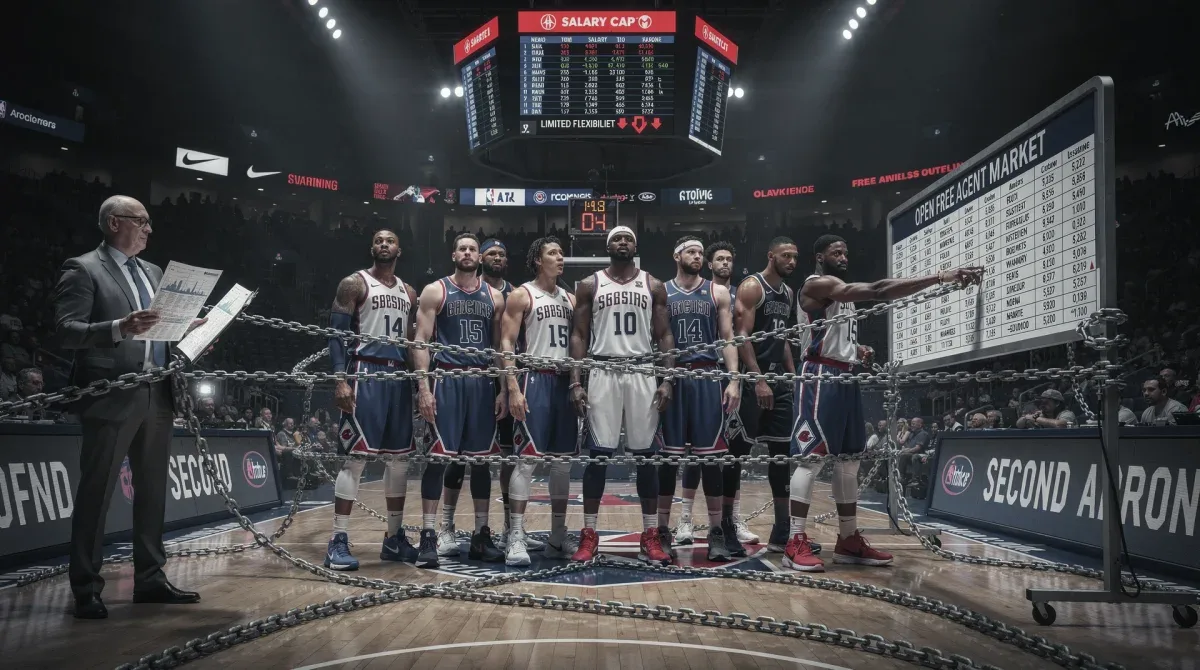
Challenges in roster management:
- Limited access to exceptions: Second apron teams lose access to the taxpayer mid-level exception, a crucial tool for signing quality free agents. They are limited to signing players on minimum contracts.
- Sign-and-trade restrictions: While not entirely prohibited, sign-and-trade deals become significantly more complex and difficult to execute for teams above the second apron, reducing their ability to acquire impact free agents.
- Draft pick implications: The rules may also affect a team's ability to acquire or trade draft picks, further limiting their future flexibility and access to young talent. Teams may find their first-round pick automatically moved to the end of the first round if they are over the second apron for two out of four consecutive seasons.
The cascading effect of these restrictions means that every contract decision, every draft pick, and every potential trade carries greater weight. Teams will be incentivized to develop their own talent rather than relying on external acquisitions, potentially leading to a stronger emphasis on scouting and player development. Furthermore, players themselves may need to consider the financial flexibility of potential destinations, as being on a second apron team could limit their future earning potential or ability to move to a contender. This shift promises a more dynamic, albeit constrained, player market. The strategic implications are vast, compelling teams to adopt a more conservative and sustainable approach to roster construction, prioritizing long-term financial health over immediate, costly acquisitions.
Strategies for Navigating the New Luxury Tax Landscape
For NBA front offices, navigating the new luxury tax landscape, particularly the NBA second apron penalties, demands a sophisticated and forward-thinking strategic approach. Simply continuing with old spending habits is no longer a viable option for teams aspiring to sustained success. The focus must shift from merely acquiring talent to acquiring and managing talent within a tightly defined financial framework, prioritizing efficiency and long-term sustainability.
Teams will need to develop comprehensive strategies that encompass salary cap management, draft philosophy, free agency targeting, and trade execution. This requires a deep understanding of the new CBA rules, a strong analytical team, and a willingness to make tough decisions. The goal is to build a competitive roster while staying below the second apron, or, if crossing it, doing so with a clear understanding of the severe limitations that will follow.
Key strategies for teams:
- Prioritize internal development: Investing heavily in scouting, player development, and G-League affiliates to cultivate talent from within, reducing reliance on expensive free agents or trades.
- Smart contract management: Being disciplined with contract extensions, avoiding overpaying for role players, and strategically timing re-signings to maintain flexibility.
- Strategic use of exceptions: Maximizing the use of available exceptions (like the non-taxpayer mid-level exception) when operating below the second apron, and understanding their limitations if crossing it.
- Draft capital preservation: Valuing and preserving draft picks as a primary source of cost-controlled talent, especially first-rounders, which become even more critical under the new rules.
- Trade asset optimization: Being proactive in trading players before their value depreciates or their contracts become prohibitive, rather than waiting until it's too late.
The new rules will force teams to think several seasons ahead, projecting salary cap figures and potential luxury tax implications. This long-term vision is paramount to avoiding the pitfalls of the second apron. Teams that adapt quickly and intelligently will gain a significant competitive advantage, demonstrating that success in the modern NBA requires not just talent acquisition, but also masterful financial and roster engineering. The emphasis shifts from who can spend the most to who can spend the smartest, fostering a new era of strategic ingenuity across the league.
Historical Context and Future Implications
To fully grasp the significance of the NBA second apron penalties, it's essential to consider the historical context of the league's luxury tax evolution and project its future implications. The NBA has consistently sought to balance competitive parity with market freedoms, often adjusting its financial rules to address perceived imbalances. This latest iteration is perhaps the most aggressive attempt yet to curb mega-team formation and ensure a broader distribution of talent.
Past CBAs have introduced various mechanisms, from Bird rights to mid-level exceptions, all designed to facilitate team building while managing costs. However, the rise of "super teams" and the increasing consolidation of star talent in a few major markets prompted the league to take more drastic action. The 2026 penalties are a direct response to this trend, aiming to level the playing field by imposing real, tangible consequences for excessive spending.
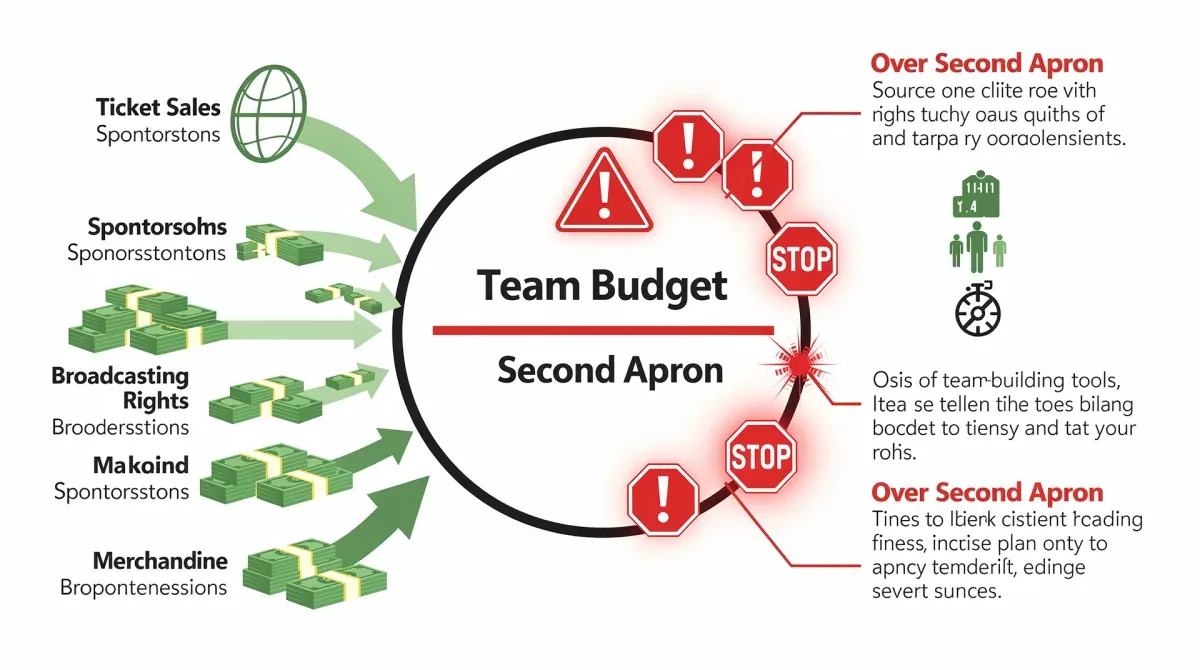
Precedents and motivations:
- Early luxury tax systems: Initial luxury tax rules were primarily revenue-sharing mechanisms, with penalties that were relatively easier for wealthy owners to absorb.
- "Super team" era: The 2010s saw a proliferation of star players joining forces, often facilitated by aggressive spending and shrewd use of trade exceptions, leading to concerns about competitive balance.
- Player empowerment: The increased agency of players in choosing their destinations also contributed to talent consolidation, making it harder for small-market teams to retain stars.
Looking ahead, the implications are vast. We might see a more dynamic trade market for players on mid-level contracts, as second apron teams seek cost-controlled talent. The draft will become an even more critical pipeline for talent, placing greater pressure on scouting departments. Furthermore, player agents will need to become intimately familiar with these rules, as they will directly impact their clients' earning potential and career trajectories. The league could also see a resurgence of "homegrown" talent dominating rosters, as retaining drafted players becomes the most straightforward path to building a contender under the new financial constraints. This shift could lead to a more unpredictable and exciting league, where strategic brilliance rather than financial might becomes the ultimate determinant of success. The long-term health and competitiveness of the league are at stake, and how teams adapt will shape the NBA for decades to come.
The Competitive Landscape Post-2026
The competitive landscape of the NBA post-2026, shaped by the stringent NBA second apron penalties, is poised for a significant transformation. The era of a few dominant "super teams" built purely through massive spending and aggressive trading may give way to a more balanced league where strategic acumen and player development become paramount. This shift could lead to a more unpredictable and engaging product for fans, with a wider array of teams having a legitimate shot at contention.
Teams that have historically relied on their financial might to acquire or retain multiple All-Stars will face a stark choice: either scale back spending to avoid the second apron's limitations or accept the severe transactional restrictions that come with it. This will force a reevaluation of what constitutes a championship-caliber roster and how it can be sustainably built in the new financial reality.
Potential shifts in competitive dynamics:
- Increased parity: The restrictions on high-spending teams could lead to a more even distribution of talent across the league, making more teams competitive.
- Emphasis on drafting and development: Franchises will likely place an even greater premium on scouting, drafting well, and developing young players, as cost-controlled talent becomes invaluable.
- Strategic asset management: The careful management of draft picks, trade exceptions, and salary cap space will be more critical than ever, rewarding teams with astute front offices.
- Player movement complexity: Free agency and trade markets may become more complex, with players and agents needing to weigh financial opportunities against the long-term flexibility of potential teams.
The new rules could foster a league where innovation in team building is rewarded, and where sustained success is achieved through smart, disciplined management rather than brute financial force. This might mean fewer blockbuster trades involving multiple stars and more emphasis on incremental improvements and internal growth. Ultimately, the post-2026 NBA is likely to be a league where every dollar spent and every roster move made is scrutinized with unprecedented intensity. The competitive landscape will be a testament to how effectively teams can adapt to these new constraints, promising a fascinating new chapter in the league's history. The goal is to ensure that every team has a realistic path to contention, making the league more exciting and unpredictable for fans worldwide.
Challenges and Opportunities for NBA Franchises
The implementation of the NBA second apron penalties presents both formidable challenges and unique opportunities for franchises across the league. While high-spending teams grapple with unprecedented restrictions, those operating with more modest payrolls might find new avenues for competitive advancement. Understanding and adapting to these dual realities will be crucial for success in the evolving NBA landscape.
For teams accustomed to leveraging significant financial resources, the primary challenge will be adjusting to a more constrained environment. This demands a cultural shift within the organization, moving away from a "spend to win" mentality towards one that prioritizes efficiency, long-term planning, and the astute maximization of every available resource. The pressure on general managers to make perfect decisions with limited flexibility will intensify considerably.
Challenges facing teams:
- Maintaining star power: High-spending teams may find it harder to keep multiple max-contract players together, potentially forcing difficult decisions about core rosters.
- Limited mid-season adjustments: The inability to make significant trade acquisitions or utilize mid-level exceptions severely restricts a team's capacity to address weaknesses during a season.
- Increased pressure on draft: The draft becomes an even more critical source of talent, intensifying the need for exceptional scouting and player development programs.
Conversely, for teams that have historically struggled to compete with the financial might of larger markets, these penalties present a golden opportunity. A more level playing field could empower smaller market teams to retain their drafted stars, attract free agents with clearer paths to playing time, and build competitive rosters through smart, sustainable practices. The focus shifts to organizational excellence rather than simply market size.
Opportunities for growth:
- Enhanced competitive balance: A more even distribution of talent could lead to a more exciting league where more teams genuinely contend for championships.
- Value of mid-tier contracts: Players on reasonable, team-friendly contracts will become even more valuable assets, creating a robust market for efficient talent.
- Innovation in team building: Teams will be forced to innovate in player evaluation, development, and strategic roster construction, leading to new and creative approaches to success.
The new rules will undoubtedly test the ingenuity and adaptability of every NBA franchise. Those that embrace the challenges, identifying and capitalizing on the emerging opportunities, will be best positioned for sustained success in the post-2026 era. The competitive landscape will not just be about who has the best players, but who has the best strategy to acquire, develop, and manage them within the confines of the new financial reality. This promises a fascinating evolution of the league, where every decision carries amplified weight and long-term implications, ultimately shaping the future of professional basketball for decades to come.
| Key Aspect | Description |
|---|---|
| Second Apron Threshold | Approximately $17.5 million above the luxury tax line, triggering severe transactional penalties. |
| Trade Restrictions | Teams cannot aggregate salaries, are limited in cash use, and cannot take on more salary than they send out. |
| Roster Building Impact | Loss of taxpayer mid-level exception, restricted sign-and-trades, and potential limits on draft pick movement. |
| Strategic Shift | Encourages internal player development, smart contract management, and efficient use of draft capital. |
Frequently asked questions about the second apron penalties
What is the NBA's second apron?▼The second apron is a new, higher luxury tax threshold, approximately $17.5 million above the initial luxury tax line. Teams exceeding this limit face severe financial and transactional restrictions, designed to curb excessive spending and promote competitive balance across the league.
When do the second apron penalties take effect?▼The new second apron penalties are set to officially take effect starting with the 2026 NBA league year. This gives teams a transitional period to adjust their rosters and financial strategies to comply with the stricter regulations and avoid the severe consequences.
How do second apron penalties affect team trades?▼Teams above the second apron cannot aggregate salaries in trades, have limited ability to send or receive cash, and generally cannot acquire more salary than they send out. These rules severely restrict their flexibility in acquiring new players via trade.
Can teams above the second apron sign free agents?▼Teams exceeding the second apron lose access to the taxpayer mid-level exception, a common tool for signing quality free agents. They are primarily limited to signing players on minimum contracts, making free agency a much less viable option for significant roster upgrades.
What is the goal of the NBA's second apron?▼The primary goal of the second apron is to enhance competitive balance by preventing a few wealthy teams from dominating through unlimited spending. It aims to encourage more disciplined roster management, promote internal player development, and create a more level playing field across the entire league.
Conclusion
The introduction of the NBA's second apron penalties in 2026 marks a pivotal moment for the league, fundamentally reshaping how franchises approach team building, trades, and financial management. These stringent new rules are designed to foster greater competitive balance by imposing severe transactional restrictions on high-spending teams, moving beyond mere financial penalties. The shift demands unprecedented strategic foresight, emphasizing internal talent development, smart contract management, and a meticulous approach to every roster decision. As teams adapt to this new financial reality, the league is poised for a more dynamic and unpredictable future, where ingenuity and disciplined management will be as crucial as raw talent and financial power in the pursuit of an NBA championship.
