CGM & Endurance: Optimizing 90-Minute Match Performance
Continuous glucose monitoring (CGM) integrated into smart wearables offers athletes real-time insights into their metabolic fuel, enabling precise nutritional adjustments to optimize endurance and sustain peak performance throughout a 90-minute match.
In the demanding world of professional sports, where every second and every ounce of energy counts, athletes are constantly seeking an edge. The emergence of continuous glucose monitoring (CGM) in smart wearables is revolutionizing how endurance is managed, offering unprecedented insights into an athlete's metabolic state during intense, sustained efforts like a 90-minute match. This technology isn't just about tracking; it's about optimizing performance by understanding the body's fuel dynamics in real-time, allowing for proactive adjustments that can mean the difference between winning and losing.
The science behind continuous glucose monitoring for athletes
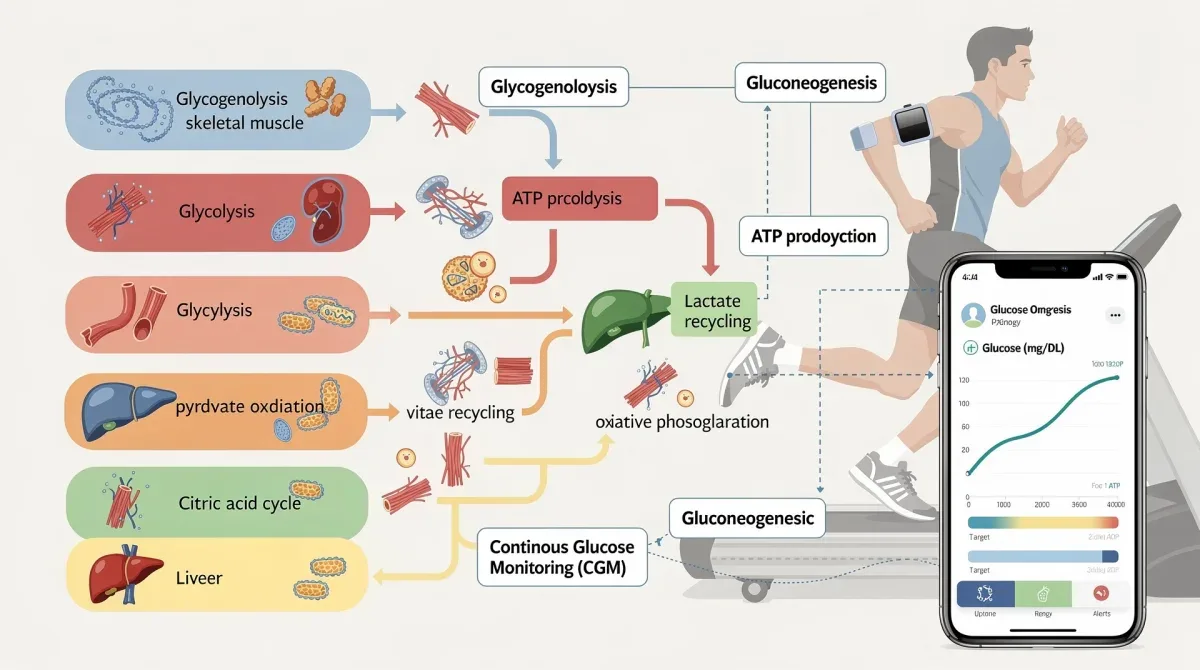
Understanding how continuous glucose monitoring (CGM) works is fundamental to appreciating its impact on athletic performance. These small, discreet devices, often worn on the arm, provide real-time readings of interstitial glucose levels, offering a window into how an athlete's body is processing carbohydrates and managing energy. Unlike traditional blood glucose meters that provide snapshots, CGM offers a continuous stream of data, painting a dynamic picture of metabolic activity during training and competition.
The underlying principle involves a tiny sensor inserted just beneath the skin, which measures glucose in the interstitial fluid. This data is then transmitted wirelessly to a smartphone or a dedicated receiver, allowing athletes and their support teams to see glucose trends, identify spikes or drops, and understand the immediate impact of nutrition and activity. This constant feedback loop is invaluable for athletes engaged in high-intensity, prolonged sports, where energy depletion can severely compromise performance.
How CGM data informs training and nutrition strategies
The actionable insights derived from CGM data are transformative for athletes. By observing real-time glucose fluctuations, athletes can fine-tune their nutritional intake to match their energy expenditure, preventing both hypoglycemia (low blood sugar) and hyperglycemia (high blood sugar), which can both impair performance. This level of precision moves beyond generalized dietary advice to a truly personalized approach.
- Pre-match fueling: CGM helps identify optimal carbohydrate loading strategies, ensuring adequate glycogen stores without causing reactive hypoglycemia.
- During-match nutrition: Athletes can monitor glucose levels to time carbohydrate intake precisely, preventing energy crashes and sustaining peak output.
- Post-match recovery: Understanding glucose response after exertion aids in optimizing nutrient timing for faster recovery and muscle glycogen replenishment.
- Training adaptation: Observing glucose patterns during different types of training sessions can help tailor workouts to improve metabolic flexibility and efficiency.
Ultimately, CGM empowers athletes to become more attuned to their bodies' physiological responses, enabling them to make informed decisions about when and what to eat, and how to structure their training for maximum benefit. This scientific approach to fueling and recovery is a game-changer for endurance sports.
Optimizing carbohydrate intake for sustained energy
Carbohydrates are the primary fuel source for high-intensity, prolonged exercise, and managing their intake effectively is crucial for sustained performance. Continuous glucose monitoring offers an unparalleled tool for athletes to optimize their carbohydrate strategy, moving beyond generic guidelines to a highly personalized approach that considers individual metabolic responses.
The goal is to maintain stable blood glucose levels, avoiding the extremes of energy crashes and insulin spikes that can hinder performance. CGM provides the immediate feedback necessary to achieve this balance. By observing how different types of carbohydrates, consumed at various times, affect their glucose curves, athletes can identify their optimal fueling windows and food choices.
The role of glycemic index and timing
Understanding the glycemic index (GI) of foods in conjunction with CGM data is powerful. High-GI carbs provide a rapid energy boost, while low-GI carbs offer a more sustained release. CGM allows athletes to experiment and see how their body specifically reacts to these different types of fuel, both in training and during simulated match conditions.
- Pre-event: Focusing on complex carbohydrates a few hours before a match can ensure stable glucose levels without a sharp peak and subsequent crash. CGM helps confirm this stability.
- During event: Easily digestible, higher-GI carbohydrates are often needed to replenish rapidly depleting glycogen stores. Real-time CGM data dictates the exact timing and amount required.
- Recovery: Post-exercise, a combination of simple and complex carbohydrates, guided by CGM, can accelerate glycogen resynthesis and kickstart the recovery process effectively.
The ability to see these responses in real-time means athletes can avoid trial-and-error guesswork, making precise adjustments that directly impact their ability to perform consistently throughout a demanding 90-minute match. This level of nutritional intelligence is a significant advantage.
Preventing the 'bonk': avoiding energy crashes mid-match
One of the most feared scenarios for any endurance athlete is 'hitting the wall' or 'bonking' – a sudden, severe drop in energy caused by glycogen depletion and subsequent hypoglycemia. This can be devastating in a 90-minute match, where sustained effort is paramount. Continuous glucose monitoring acts as an early warning system, allowing athletes to preempt these energy crashes.
By continuously tracking glucose levels, CGM alerts athletes to downward trends before they become critical. This proactive insight enables them to consume carbohydrates at the optimal moment, rather than waiting until symptoms of fatigue and weakness set in. The goal is to maintain a steady supply of glucose to the muscles and brain, ensuring uninterrupted high-level performance.
Real-time alerts and strategic interventions
Many CGM devices come with customizable alert systems that notify athletes when their glucose levels are approaching a predefined low threshold. This immediate feedback is invaluable, especially during the chaos of a match, where an athlete's focus is intensely on the game.
- Pre-emptive fueling: An alert can prompt an athlete to consume an energy gel or sports drink, preventing a significant drop in energy.
- Pacing adjustment: If glucose levels are trending low despite fueling, the athlete or coach might consider a slight adjustment in pacing to conserve energy until glucose levels stabilize.
- Hydration integration: Often, dehydration can exacerbate glucose fluctuations. CGM data can be cross-referenced with hydration strategies to ensure overall metabolic stability.
The ability to intervene strategically and immediately, based on objective physiological data, significantly reduces the risk of bonking. This ensures that an athlete can maintain their intensity and decision-making capabilities throughout the entirety of a demanding 90-minute match, truly optimizing their endurance.
Personalized performance zones and glucose targets
Every athlete is unique, and their metabolic response to exercise and nutrition can vary significantly. This is where continuous glucose monitoring truly shines, enabling the identification of personalized performance zones and optimal glucose targets for each individual. What works for one athlete might not be ideal for another, even in the same sport.
Through consistent monitoring during various training intensities and competitive scenarios, athletes can establish their individual glucose baseline and understand the range within which their body performs best. This personalized data moves beyond generalized recommendations to create a highly specific blueprint for peak performance and sustained endurance.
Establishing individual baselines and optimal ranges
The process involves collecting data over time, observing how glucose levels respond to different types of exercise, varying food compositions, and even stress levels. This rich dataset allows for the creation of a personalized metabolic profile.
- Baseline glucose: Understanding typical resting glucose levels helps contextualize exercise-induced fluctuations.
- Optimal exercise range: Identifying the glucose window where an athlete feels most energetic and performs optimally during sustained effort. This might be slightly higher than typical resting levels.
- Recovery targets: Determining the ideal glucose levels post-exercise to facilitate efficient glycogen replenishment and muscle repair.
By defining these personalized targets, athletes can aim for precision in their fueling strategies. This means consuming just enough carbohydrates to stay within their optimal zone, avoiding both over-fueling (which can lead to digestive issues or insulin resistance over time) and under-fueling (which compromises performance). The bespoke nature of CGM data ensures that endurance optimization is tailored to the individual's unique physiology.
The future of smart wearables: integration and advanced analytics
The current capabilities of continuous glucose monitoring in smart wearables are already impressive, but the future promises even more sophisticated integration and advanced analytics. As technology evolves, we can expect CGM devices to become smaller, more comfortable, and seamlessly integrated with other biometric sensors, creating a holistic view of an athlete's physiological state.
Imagine a single wearable ecosystem that tracks not only glucose but also heart rate variability, core body temperature, sweat electrolyte levels, and muscle oxygenation – all in real-time. This level of integrated data will provide an unprecedented understanding of how different physiological systems interact during intense exercise, allowing for even more precise interventions to optimize endurance.
AI-driven insights and predictive modeling
The true power of future smart wearables will lie in their ability to process and interpret this vast amount of data using artificial intelligence and machine learning. Instead of just showing raw numbers, these systems will be able to provide predictive insights and actionable recommendations.
- Personalized alerts: AI could learn an athlete's unique metabolic patterns and provide highly personalized alerts, not just for low glucose, but for potential performance dips based on a combination of factors.
- Automated fueling plans: Based on real-time data and predicted energy expenditure, the system could suggest optimal carbohydrate intake timings and quantities.
- Injury prevention: By detecting subtle physiological deviations, AI could help identify early signs of overtraining or potential injury risks.
- Strategic game-day adjustments: Coaches could receive real-time data interpretations, allowing for informed decisions regarding player substitutions or tactical shifts based on individual energy levels.
This advanced integration and AI-driven analytics will transform athletic training and competition, offering a level of precision and personalization that was previously unimaginable. The future of endurance optimization for a 90-minute match will be deeply intertwined with these smart wearable innovations.
Case studies: real-world impact on endurance athletes
While the theoretical benefits of continuous glucose monitoring are clear, its real-world application has yielded compelling results for endurance athletes across various sports. From professional footballers to marathon runners, the ability to fine-tune energy management has translated into tangible improvements in sustained performance and faster recovery.
These case studies underscore that CGM is not just a gadget but a critical tool for athletes committed to pushing their limits and maintaining peak output for extended periods. The anecdotal evidence, supported by physiological data, paints a clear picture of its effectiveness in optimizing endurance for events like a 90-minute match.
Success stories in football and other endurance sports
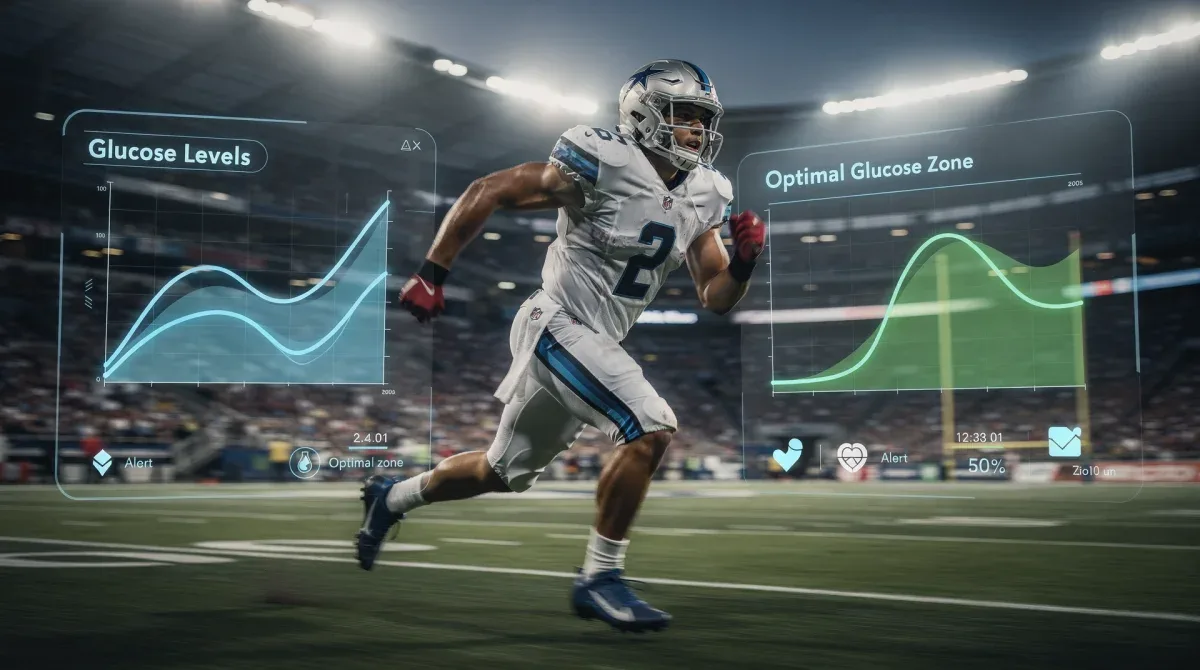
In football, where constant movement, sprints, and strategic thinking demand sustained energy, CGM has proven invaluable. Players have reported fewer mid-match energy slumps and improved decision-making in the later stages of games.
- Professional football teams: Several top-tier clubs are now integrating CGM into their sports science programs, observing how individual players respond to different fueling strategies during training and matches. This helps tailor carbohydrate intake during halftime and throughout the game.
- Marathon runners: Athletes using CGM have been able to avoid 'hitting the wall' by precisely timing their carbohydrate gels and drinks, leading to stronger finishes and personal bests.
- Triathletes: The multi-disciplinary nature of triathlon benefits greatly from CGM, allowing athletes to manage glucose levels across swimming, cycling, and running segments, preventing energy deficits that can impact overall race performance.
These examples highlight how CGM provides a competitive advantage by transforming energy management from an estimation game into a data-driven science. Athletes can now proactively manage their fuel, ensuring they have the energy reserves needed to perform at their best for the entire duration of their event, including the demanding 90-minute football match.
Implementing CGM into your training regimen
Integrating continuous glucose monitoring into an athlete's training regimen requires a thoughtful and systematic approach. It's more than just wearing a device; it involves understanding the data, making informed adjustments, and continuously refining strategies based on individual responses. The goal is to leverage CGM to unlock new levels of endurance and performance.
For athletes aiming to optimize their performance for a 90-minute match, a structured implementation plan ensures that the insights gained from CGM are effectively translated into actionable improvements in training and competition. This process often benefits from collaboration with sports nutritionists or coaches experienced in metabolic monitoring.
Practical steps for athletes and coaches
Starting with CGM can seem daunting, but breaking it down into manageable steps makes the process straightforward and effective.
- Initial consultation: Work with a sports nutritionist or healthcare professional to understand your baseline metabolic health and set initial goals.
- Consistent monitoring: Wear the CGM device for an extended period, including during various training sessions, rest days, and before, during, and after meals. This helps establish a comprehensive metabolic profile.
- Data analysis: Regularly review glucose trends, noting how different foods, exercise intensities, sleep, and stress impact your readings. Identify patterns and areas for improvement.
- Experimentation: Based on the data, experiment with different carbohydrate timings, types, and quantities. Observe the real-time effects on your glucose levels and perceived energy.
- Match simulation: Practice your fueling strategy during simulated 90-minute match conditions to fine-tune your approach for actual competition.
- Continuous refinement: Metabolic needs can change. Continuously monitor and adjust your strategy based on new data and evolving training demands.
By following these steps, athletes can effectively integrate CGM into their routine, transforming their approach to energy management and significantly enhancing their ability to maintain peak endurance throughout a demanding 90-minute match. The journey is one of continuous learning and optimization.
| Key Aspect | Benefit for Athletes |
|---|---|
| Real-time Glucose Data | Enables immediate, precise nutritional adjustments during matches. |
| Preventing Energy Crashes | Alerts athletes to low glucose, allowing pre-emptive fueling to sustain performance. |
| Personalized Fueling | Identifies optimal carbohydrate types and timing based on individual metabolic response. |
| Enhanced Recovery | Guides post-exercise nutrition for faster glycogen replenishment and muscle repair. |
Frequently Asked Questions About CGM and Athletic Performance
How does continuous glucose monitoring (CGM) differ from traditional blood glucose testing?▼Traditional blood glucose testing provides a snapshot of your glucose level at a single point in time, requiring a finger prick. CGM, conversely, continuously measures glucose levels in the interstitial fluid just under the skin, offering real-time data and trends throughout the day and during exercise, without repeated pricks. This continuous stream of information is crucial for dynamic activity analysis.
Is CGM only for elite athletes, or can amateur athletes benefit?▼While elite athletes utilize CGM for peak performance, amateur athletes can also significantly benefit. Understanding personal metabolic responses to food and exercise can help anyone improve their energy management, prevent fatigue, and optimize recovery, whether training for a local marathon or simply aiming for better fitness. It democratizes advanced physiological insight.
What are the main challenges when implementing CGM into a sports regimen?▼Key challenges include data interpretation, as raw glucose numbers require context and understanding. Initial discomfort or skin irritation from the sensor can also occur. Additionally, the cost of devices and the need for consistent commitment to monitoring and adjusting strategies can be barriers. Proper guidance from a sports nutritionist is often beneficial.
Can CGM help with weight management for athletes?▼Yes, by providing insights into how different foods affect blood sugar, CGM can indirectly support weight management. It helps identify foods that cause sharp glucose spikes and subsequent crashes, which can lead to increased hunger and cravings. Optimizing glucose stability through informed dietary choices can aid in better appetite control and metabolic health, contributing to body composition goals.
Are there any risks associated with using CGM for performance optimization?▼Generally, CGM devices are safe. Potential minor risks include skin irritation or infection at the sensor site. There's also a risk of misinterpreting data without proper education, leading to suboptimal nutritional choices. It's crucial to consult with healthcare professionals or sports nutritionists to ensure correct usage and data interpretation, maximizing benefits while minimizing any potential downsides.
Conclusion
The integration of continuous glucose monitoring (CGM) into smart wearables marks a significant leap forward in sports science, particularly for optimizing endurance in demanding scenarios like a 90-minute match. By providing real-time, personalized metabolic data, CGM empowers athletes to move beyond guesswork, enabling precise nutritional interventions that prevent energy crashes, sustain peak performance, and accelerate recovery. As this technology continues to evolve with advanced analytics and seamless integration, its role in shaping the future of athletic training and competition will only grow, offering an unprecedented advantage to those who seek to truly master their physiological potential.
